White-winged Serotine (Pseudoromicia tenuipinnis)
Introduction
The White-winged Serotine, scientifically known as Pseudoromicia tenuipinnis, is a fascinating bat species that belongs to the Vespertilionidae family. Known for its distinctive white wing tips and agile flight, this species is an essential part of its ecosystem, playing a critical role in insect population control. Despite its ecological importance, the White-winged Serotine remains relatively understudied, and its conservation status is a growing concern among wildlife researchers.
Physical Description
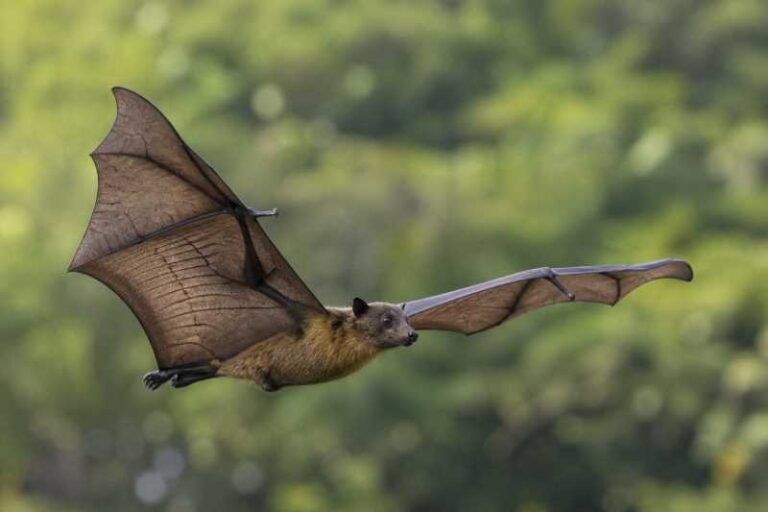
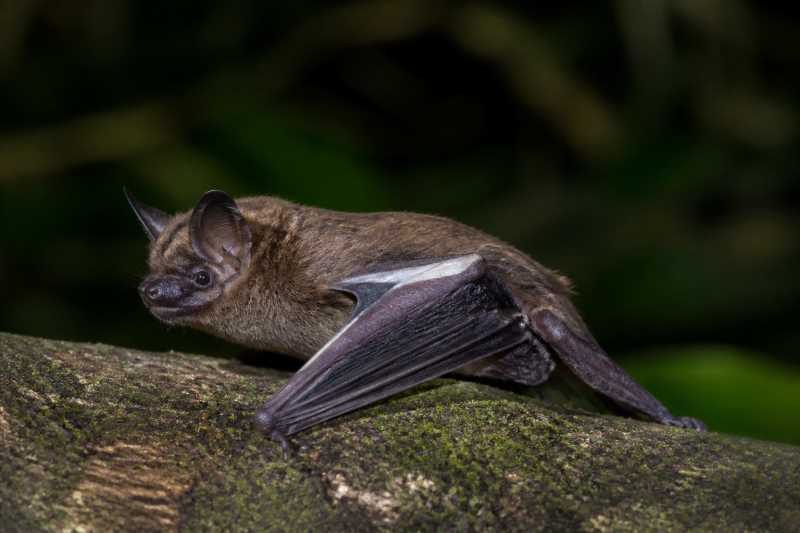
The White-winged Serotine is a small to medium-sized bat, characterized by its slender body and distinct white wing tips, which contribute to its name. Adult individuals typically have a body length ranging from 40 to 55 mm and a wingspan between 250 to 300 mm. Their fur is generally a dark brown or grayish color, providing effective camouflage against the bark and leaves of trees where they commonly roost.
The bat’s most distinguishing feature is its translucent white wing membranes, visible particularly during flight. This unique characteristic allows for easy identification in the field. The ears are moderately large, and the tragus is pointed, which aids in echolocation—a crucial adaptation for nocturnal hunting and navigation.
Range and Habitat
The White-winged Serotine is native to sub-Saharan Africa, with its range extending across several countries including Guinea, Nigeria, Cameroon, and parts of East Africa. It predominantly inhabits tropical and subtropical regions, favoring moist lowland forests, savannas, and sometimes agricultural landscapes where it can find abundant food sources.
This bat species often roosts in tree hollows, under bark, or within human-made structures such as barns and attics. The choice of roosting site is influenced by temperature, humidity, and predator presence. Preservation of their natural habitat is crucial for the survival of this species, as it relies heavily on forested environments for foraging and roosting.
Behavior and Diet
The White-winged Serotine is primarily nocturnal, emerging at dusk to begin its nightly foraging activities. It exhibits a highly agile flight pattern, capable of swift maneuvers to capture prey. This bat feeds predominantly on a variety of insects, including moths, beetles, and mosquitoes, making it a natural pest controller.
Echolocation is employed to locate prey, with the bat emitting high-frequency sound waves that bounce back upon hitting an object, providing a "sonar" image of its surroundings. This adaptation is vital for hunting in complete darkness and avoiding obstacles.
During the day, the White-winged Serotine rests in communal roosts, and social interactions among individuals are common. These interactions include grooming and vocal communication, which are essential for maintaining social bonds within the colony.
Identification Tips (Field Recognition Cues)
Identifying the White-winged Serotine in the field can be facilitated by several key characteristics:
- Distinctive White Wing Tips: The most obvious feature is the white tips on its wings, easily seen when the bat is in flight.
- Agile Flight Pattern: Noticeable for its rapid and agile flight, often seen darting through open spaces over water bodies and forest edges.
- Echolocation Calls: Experienced bat enthusiasts can identify the species by its echolocation calls, which are usually detected using a bat detector.
- Roosting Behavior: Observing their roosting habits in tree hollows or human-made structures can also aid in identification.
Conservation Status (with Threats and Protections)
Currently, the White-winged Serotine faces several threats that have led to concerns about its conservation status. Habitat destruction due to deforestation, agricultural expansion, and urban development poses significant challenges to its survival. Additionally, pesticide use in agriculture can reduce insect prey populations and directly harm bats that ingest contaminated insects.
The International Union for Conservation of Nature (IUCN) has yet to assign a specific conservation status to this species due to insufficient data, highlighting the need for further research. However, some conservation measures can be taken to protect the White-winged Serotine, such as:
- Habitat Protection: Preserving natural forest habitats and implementing sustainable land-use practices are crucial for maintaining suitable environments for roosting and foraging.
- Research and Monitoring: Increased research efforts to gather data on population size, distribution, and ecology will aid in assessing the conservation needs of this species.
- Public Awareness: Raising awareness about the ecological importance of bats can foster public support for conservation initiatives.
Frequently Asked Questions
What is the primary diet of the White-winged Serotine?
The White-winged Serotine primarily feeds on insects, including moths, beetles, and mosquitoes. Its diet makes it an effective natural pest controller, benefiting agricultural environments by reducing insect populations.
How can I identify a White-winged Serotine in the wild?
You can identify a White-winged Serotine by its distinctive white wing tips, agile flight pattern, and echolocation calls. Observing its roosting behavior in tree hollows or buildings can also provide clues.
What are the main threats to the White-winged Serotine?
The primary threats include habitat destruction due to deforestation and urbanization, as well as the use of pesticides in agriculture, which can reduce insect prey availability and harm bats directly.
Why is the White-winged Serotine important for the ecosystem?
This bat species is crucial for maintaining ecological balance by controlling insect populations, thus preventing crop damage and reducing the spread of insect-borne diseases.
What conservation efforts are needed for the White-winged Serotine?
Conservation efforts should focus on habitat preservation, research and monitoring to gather data on the species, and public education to raise awareness about the importance of bats.
Related posts