Introduction
The Moupin Broad-muzzled Bat, scientifically known as Submyotodon moupinensis, is a fascinating species of bat that captivates researchers and nature enthusiasts alike. This nocturnal mammal is part of the Vespertilionidae family, commonly referred to as vesper bats. Found predominantly in Asia, the Moupin Broad-muzzled Bat is an intriguing subject of study due to its unique physical attributes and ecological role. As we delve into this article, we will explore the various aspects of this species, including its physical description, habitat preferences, behavior, and conservation status.
Physical Description
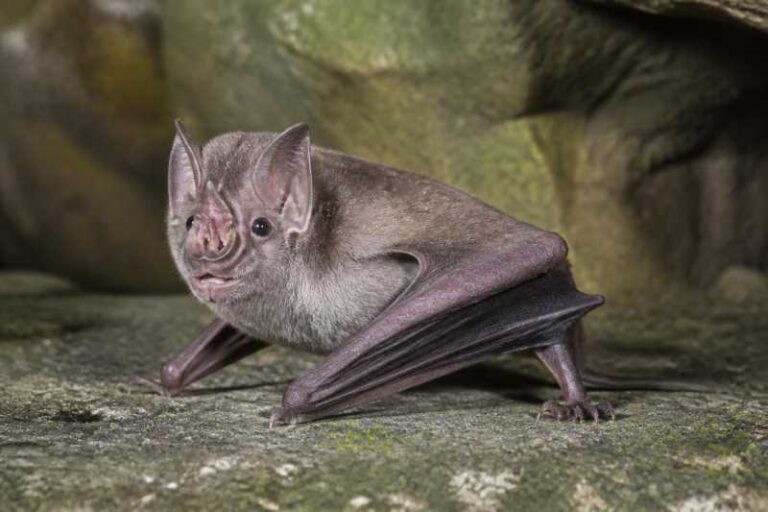
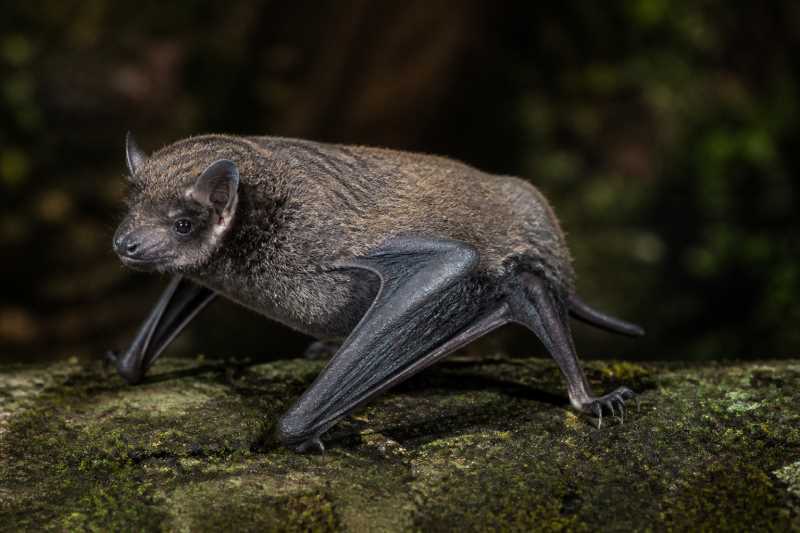
The Moupin Broad-muzzled Bat is characterized by its distinctive broad muzzle, which sets it apart from other bat species. It typically exhibits a medium-sized body with a forearm length ranging from 35 to 40 millimeters. The fur of this bat is usually a dark brown or greyish color, providing effective camouflage against predators when roosting in its natural habitat. The ears of the Moupin Broad-muzzled Bat are relatively large, aiding in its echolocation abilities, which are crucial for navigating and hunting in the dark. The wings are long and narrow, adapted for agile flight and swift maneuvers.
Range and Habitat
The geographical range of the Moupin Broad-muzzled Bat spans several Asian countries, including China, India, Nepal, and Bhutan. This species is predominantly found in mountainous regions, favoring elevations ranging from 1,000 to 3,000 meters. It thrives in a variety of habitats, such as deciduous and coniferous forests, as well as subtropical and temperate regions. These bats often roost in caves, rock crevices, and occasionally in man-made structures, which provide shelter from predators and harsh weather conditions.
Behavior and Diet
Moupin Broad-muzzled Bats are nocturnal creatures, emerging at dusk to commence their nightly foraging activities. Their diet primarily consists of insects, making them invaluable for controlling pest populations. Employing echolocation, these bats emit high-frequency sounds that bounce off objects, allowing them to navigate and pinpoint prey with remarkable accuracy. Social by nature, these bats often form colonies, which can vary in size from small groups to large aggregations, depending on the availability of resources and roosting sites.
Identification Tips
For those interested in observing the Moupin Broad-muzzled Bat in the field, there are several distinctive features to aid in identification. Look for its broad muzzle and relatively large ears, which are key characteristics. The dark brown or greyish fur color is another indicator, along with its agile flight patterns during its nocturnal foraging sessions. Observers may also note the bat’s preference for roosting in caves or rock crevices, particularly in mountainous regions.
Conservation Status
Currently, the Moupin Broad-muzzled Bat faces several threats that could impact its population stability. Habitat loss due to deforestation and human encroachment poses a significant risk. Additionally, the disturbance of roosting sites and the use of pesticides, which reduce insect prey availability, further threaten this species. The International Union for Conservation of Nature (IUCN) lists the Moupin Broad-muzzled Bat as Near Threatened, highlighting the need for conservation measures to protect its habitat and ensure sustainable populations. Conservation efforts include habitat preservation, legal protection of roosting sites, and public education to reduce human impact.
Frequently Asked Questions
What is the primary diet of the Moupin Broad-muzzled Bat?
The Moupin Broad-muzzled Bat primarily feeds on insects, utilizing echolocation to hunt and capture its prey during nocturnal foraging.
Where can the Moupin Broad-muzzled Bat be found?
This bat species is typically found in mountainous regions of Asia, particularly within China, India, Nepal, and Bhutan, favoring elevations of 1,000 to 3,000 meters.
What are the main threats to the Moupin Broad-muzzled Bat?
The primary threats include habitat loss due to deforestation, human disturbance of roosting sites, and reduced prey availability from pesticide use.
How does the Moupin Broad-muzzled Bat navigate and hunt?
The bat uses echolocation, emitting high-frequency sounds that bounce off objects, allowing it to navigate and locate prey with precision.
Why is the Moupin Broad-muzzled Bat important for the ecosystem?
As insectivores, these bats play a crucial role in controlling insect populations, benefiting agriculture and reducing the spread of insect-borne diseases.
Related posts