The Boulder Chat: A Fascinating Study of Pinarornis plumosus
The Boulder Chat (Pinarornis plumosus) is a captivating bird species that captures the interest of ornithologists and bird enthusiasts alike. Known for its striking appearance and unique behaviors, the Boulder Chat inhabits the rocky landscapes of southern Africa. This article delves into the various aspects of the Boulder Chat, including its habitat, behavior, diet, and conservation status, providing a comprehensive overview of this remarkable avian species.
Introduction
The Boulder Chat belongs to the Muscicapidae family, commonly referred to as the Old World flycatchers and chats. Within this family, the Boulder Chat stands out due to its preference for boulder-strewn environments and its distinctive plumage. Its scientific name, Pinarornis plumosus, reflects its affinity for rocky terrains ("pinar" meaning rock or boulder) and its soft, fluffy plumage ("plumosus").
Physical Characteristics
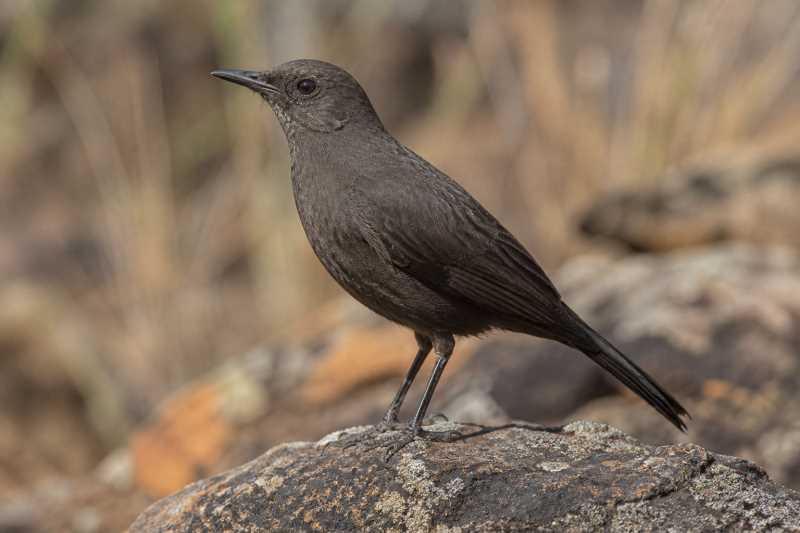
The Boulder Chat is a medium-sized bird, measuring approximately 25 cm in length. Its plumage is predominantly black, with a glossy sheen that can appear bluish in certain lighting conditions. The striking contrast between its jet-black body and its bright orange to rufous wings and tail feathers is one of its most distinguishing features. This coloration not only makes it visually appealing but also aids in its identification among the rocky outcrops and savanna landscapes it inhabits.
The Boulder Chat’s bill is strong and slightly curved, adapted for its insectivorous diet. Its legs are robust, allowing it to navigate the challenging rocky terrains with ease. The bird’s eyes are dark and expressive, giving it a curious and inquisitive appearance.
Habitat and Distribution
Boulder Chats are endemic to southern Africa, with their range extending across Zimbabwe, Botswana, Mozambique, and parts of South Africa. They are particularly associated with granite kopjes and rocky hill slopes, where they find shelter and nesting sites. These environments provide the Boulder Chat with ample opportunities to forage for insects, its primary food source.
The bird’s preference for rocky habitats is reflected in its behavior and feeding strategies. Boulder Chats are often observed hopping and flitting between rocks, using their surroundings to their advantage both for hunting and as a means of protection against predators.
Behavior and Social Structure
Boulder Chats are known for their territorial nature, often seen defending their chosen area against intruders. They are generally solitary or found in pairs, especially during the breeding season. Their vocalizations, which consist of a series of melodious whistles and calls, play a crucial role in territorial defense and mate attraction.
These birds are adept at using their environment to communicate, often perching on prominent boulders to deliver their calls. This behavior not only enhances the reach of their vocalizations but also serves as a visual display to other birds in the area.
During the breeding season, which typically coincides with the rainy season, Boulder Chats construct their nests in crevices or ledges within rocky outcrops. Their nests are built with a variety of materials, including twigs, grasses, and feathers, providing a secure and camouflaged environment for their eggs and young.
Diet and Foraging
The Boulder Chat’s diet primarily consists of insects and other small invertebrates. Its foraging behavior is characterized by a series of quick, darting movements as it searches for prey among the rocks and vegetation. The bird’s strong bill is well-suited for capturing and consuming a variety of insect species, including beetles, ants, and grasshoppers.
Occasionally, Boulder Chats may supplement their diet with small fruits and seeds, particularly during periods when insect prey is less abundant. This opportunistic feeding strategy allows them to adapt to varying environmental conditions and food availability.
Conservation and Threats
Currently, the Boulder Chat is classified as a species of Least Concern by the International Union for Conservation of Nature (IUCN). However, like many other bird species, it faces potential threats from habitat destruction and climate change. The alteration of its natural rocky habitats due to mining activities, agriculture, and urban development poses a significant risk to its population.
Conservation efforts aimed at preserving natural habitats and promoting sustainable land-use practices are essential for ensuring the long-term survival of the Boulder Chat. Additionally, raising awareness about the ecological importance of rocky habitats can contribute to the protection of this species and its environment.
Conclusion
The Boulder Chat is a unique and fascinating bird that embodies the adaptability and resilience of avian species in challenging environments. Its striking appearance, intriguing behaviors, and specialized habitat preferences make it a subject of interest for both scientific study and birdwatching enthusiasts.
As we continue to learn more about the Boulder Chat, it is crucial to recognize the importance of conserving its natural habitats and ensuring that future generations can experience the beauty and wonder of this remarkable bird.
References
- Del Hoyo, J., Elliott, A., & Christie, D. (Eds.). (2005). Handbook of the Birds of the World, Vol. 10. Lynx Edicions.
- BirdLife International. (2023). Pinarornis plumosus. The IUCN Red List of Threatened Species 2023.
- Sinclair, I., Ryan, P., & Hockey, P. A. R. (2011). Birds of Southern Africa. Struik Nature.
Related posts