David’s Myotis (Myotis davidii): A Comprehensive Guide
Introduction
David’s Myotis, scientifically known as Myotis davidii, is a small bat species belonging to the family Vespertilionidae. This intriguing bat is named after the renowned French missionary and naturalist, Armand David, who contributed significantly to the study of Chinese wildlife. David’s Myotis is one of the many species within the genus Myotis, which is characterized by its diversity and widespread distribution. This article delves into the distinct features, habitat, behavior, and conservation status of David’s Myotis, providing a thorough understanding of this elusive mammal.
Physical Description
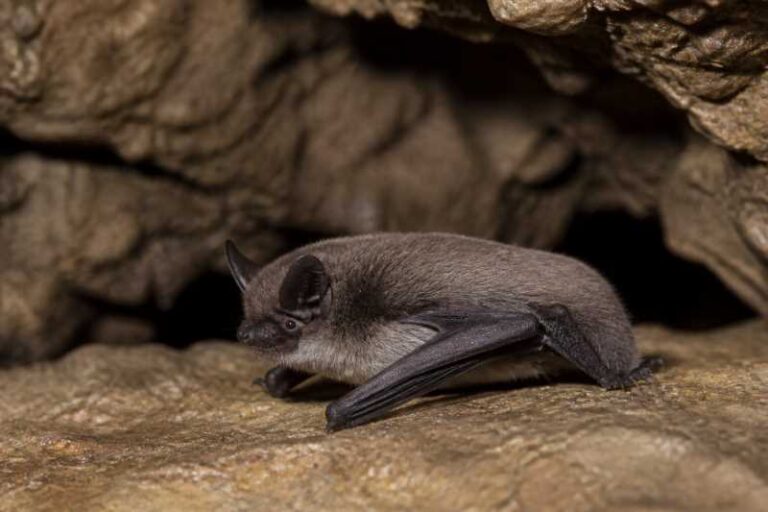
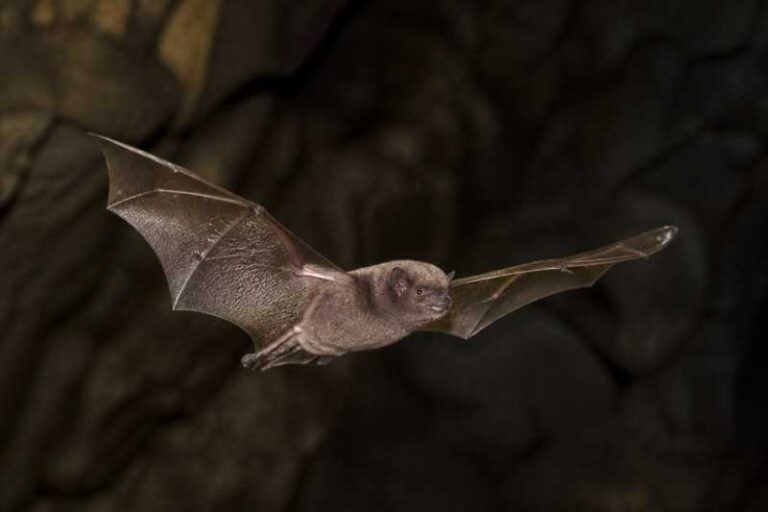
David’s Myotis is a relatively small bat, with a forearm length typically ranging from 30 to 35 millimeters. The species exhibits a wingspan of approximately 20 to 25 centimeters, making it an agile flyer. Its weight varies between 4 to 8 grams, highlighting its lightweight structure, which is essential for its aerial lifestyle.
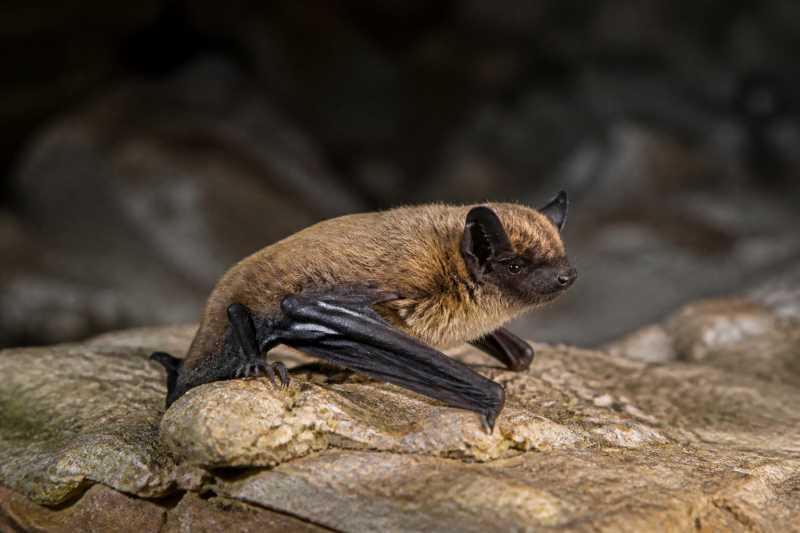
The fur of David’s Myotis is short and dense, generally presenting a brownish-gray color on the dorsal side, while the ventral side is lighter, often appearing whitish or pale gray. The ears are moderately long and rounded, equipped with a well-defined tragus that aids in echolocation. The wings are characterized by their slender and elongated shape, crucial for maneuvering through dense vegetation and capturing prey mid-flight.
Range and Habitat
David’s Myotis is predominantly found in East Asia, with its range extending across China, Taiwan, and parts of Korea. Within these regions, the species is known to inhabit a variety of environments, including forests, grasslands, and urban areas. The adaptability of this bat to different habitats is a testament to its ecological versatility.
During the day, David’s Myotis roosts in a variety of structures, such as caves, rock crevices, buildings, and tree hollows. These roosting sites provide shelter and protection from predators and harsh weather conditions. The choice of roosting site is often influenced by factors such as temperature, humidity, and proximity to feeding grounds.
Behavior and Diet
David’s Myotis is a nocturnal creature, primarily active during the night when it forages for food. The species exhibits a high degree of social behavior, often forming small colonies that aid in thermoregulation and predator avoidance.
The diet of David’s Myotis consists mainly of insects, making it an integral part of the ecosystem by controlling insect populations. The bat employs echolocation to detect and capture its prey, emitting high-frequency calls that bounce off objects and return as echoes. This sophisticated system allows the bat to hunt efficiently even in complete darkness.
Identification Tips (Field Recognition Cues)
Identifying David’s Myotis in the field can be challenging due to its resemblance to other Myotis species. However, certain characteristics can aid in accurate identification:
- Size and Weight: Look for a small bat with a forearm length of 30 to 35 millimeters and a weight of 4 to 8 grams.
- Coloration: Note the brownish-gray dorsal fur contrasted with a lighter, whitish ventral side.
- Ear and Tragus: Observe the moderately long, rounded ears and the distinct tragus, which are key features of Myotis bats.
- Flight Pattern: Watch for agile, erratic flight patterns typical of insectivorous bats.
Conservation Status (With Threats and Protections)
David’s Myotis is currently classified as Least Concern by the International Union for Conservation of Nature (IUCN). Despite this relatively secure status, the species faces several threats that could impact its populations:
- Habitat Loss: Urbanization and deforestation have led to the destruction of natural roosting sites, forcing the bats to rely more on human-made structures.
- Pollution: Pesticides and pollutants in agricultural areas can reduce insect prey availability and introduce harmful toxins into the bat’s diet.
- Climate Change: Alterations in climate patterns can affect the availability of suitable roosting and foraging habitats.
Conservation efforts for David’s Myotis include habitat protection and restoration, as well as public awareness campaigns to reduce pesticide use and preserve natural ecosystems. Monitoring populations and conducting further research on the species’ ecology and behavior are also crucial for effective conservation.
Frequently Asked Questions
1. What does David’s Myotis eat?
David’s Myotis primarily feeds on insects, including moths, beetles, and flies. Its diet plays a vital role in controlling insect populations, benefiting both natural ecosystems and agricultural areas.
2. Where can David’s Myotis be found?
David’s Myotis is found in East Asia, particularly in China, Taiwan, and parts of Korea. It inhabits a range of environments from forests and grasslands to urban areas.
3. How does David’s Myotis use echolocation?
David’s Myotis uses echolocation by emitting high-frequency sound waves that bounce off objects and return as echoes. This system helps the bat navigate and hunt in complete darkness.
4. What are the main threats to David’s Myotis?
The main threats to David’s Myotis include habitat loss, pollution, and climate change. These factors can reduce roosting sites and prey availability, impacting population stability.
5. How can we help conserve David’s Myotis?
Conservation efforts for David’s Myotis include habitat protection, reducing pesticide use, and raising public awareness about the species’ ecological importance.
Related posts