The Enigmatic Sumatran Laughingthrush: A Closer Look at Garrulax bicolor
The Sumatran Laughingthrush (Garrulax bicolor) stands as an emblem of avian diversity and ecological significance in the lush, verdant rainforests of Sumatra, Indonesia. This article delves into the fascinating aspects of this unique bird species, exploring its habitat, behavior, conservation status, and the challenges it faces in an ever-changing world.
Habitat and Distribution
Endemic to the island of Sumatra, the Sumatran Laughingthrush is predominantly found in the montane forests that blanket the Barisan Mountain Range. These forests, characterized by their dense canopy and rich biodiversity, provide an ideal environment for the Laughingthrush. Preferring altitudes ranging from 800 to 2,400 meters, these birds thrive in the cool, moist climate that the highlands offer.
The region’s complex ecosystem supports a wide array of flora and fauna, making it a hotspot for biodiversity. However, this limited geographical range also underscores the vulnerability of the Sumatran Laughingthrush to habitat destruction and environmental changes.
Physical Characteristics
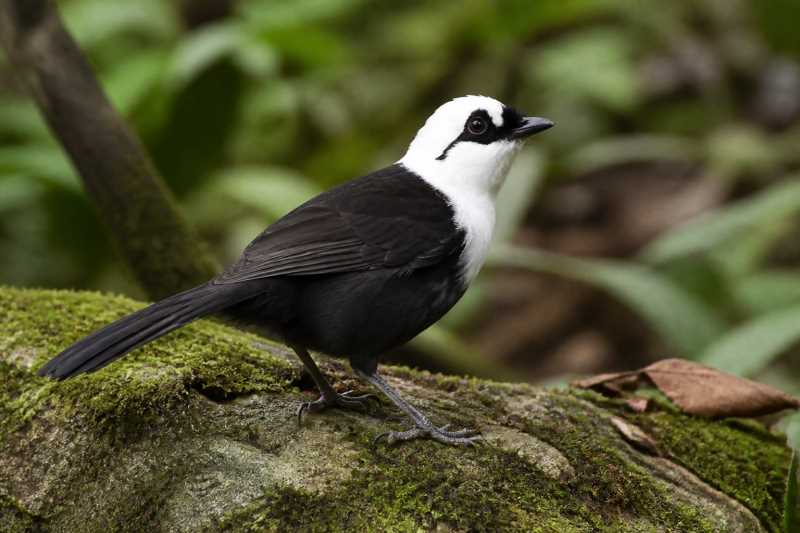
Garrulax bicolor is distinguished by its striking plumage, with a contrasting black and white coloration that sets it apart from other Laughingthrush species. The bird’s head, wings, and tail are a glossy black, while its underparts gleam with a pristine white. This distinctive color pattern not only aids in identification but also adds to the aesthetic appeal of the species.
In terms of size, the Sumatran Laughingthrush measures approximately 28 centimeters (11 inches) in length. Its robust build and powerful legs are well-suited for navigating the dense underbrush of its forest home, while its slightly curved beak is adapted for foraging.
Behavior and Diet
The Sumatran Laughingthrush is known for its social behavior, often seen in small, gregarious groups. These birds are highly vocal, using a series of melodious calls and whistles to communicate with each other. Their calls can often be heard echoing through the forest, especially during the early morning and late afternoon hours.
In terms of diet, the Laughingthrush is omnivorous, feeding on a variety of insects, fruits, and seeds. This diverse diet not only sustains their energy needs but also plays a crucial role in seed dispersal, contributing to the health and regeneration of their forest habitat.
Conservation Status and Challenges
The Sumatran Laughingthrush is currently classified as "Critically Endangered" on the IUCN Red List. The primary threat to their survival is habitat loss caused by deforestation, driven by logging, agricultural expansion, and infrastructure development. As their natural habitat continues to shrink, the Laughingthrush faces increased competition for resources and suitable nesting sites.
Additionally, the illegal pet trade poses a significant threat to the Sumatran Laughingthrush. Their striking appearance and melodious calls make them a target for bird collectors, further exacerbating their decline in the wild. Conservation efforts are critical to addressing these challenges and ensuring the survival of this species.
Conservation Efforts
Efforts to conserve the Sumatran Laughingthrush are underway, spearheaded by organizations such as BirdLife International and local conservation groups in Indonesia. Strategies focus on habitat preservation, anti-poaching measures, and public awareness campaigns. Protected areas within Sumatra have been established to safeguard critical habitats, while community engagement initiatives aim to reduce the demand for wild-caught birds.
Captive breeding programs have also been initiated to create a safety net population, with the goal of eventually reintroducing individuals into their natural habitat. These programs play a crucial role in maintaining genetic diversity and increasing population numbers.
The Road Ahead
The future of the Sumatran Laughingthrush hinges on continued conservation efforts and sustainable development practices in Sumatra. The collaboration between government agencies, non-governmental organizations, and local communities is vital to create effective strategies for habitat protection and species recovery.
Raising global awareness about the plight of the Sumatran Laughingthrush can also contribute to its conservation. By highlighting the importance of preserving biodiversity and supporting conservation initiatives, we can help ensure that this magnificent bird continues to grace the forests of Sumatra for generations to come.
In conclusion, the Sumatran Laughingthrush is a symbol of the rich biodiversity of Sumatra, embodying both the beauty and fragility of nature. Preserving this species is not only crucial for ecological balance but also for maintaining the cultural and natural heritage of the region. Through concerted conservation efforts, there is hope that the joyous calls of the Sumatran Laughingthrush will continue to resonate through the forests they call home.
Related posts