Introduction
Kerbis-Peterhans’s Wood Mouse, scientifically known as Hylomyscus kerbispeterhansi, is a lesser-known but fascinating species of rodent that inhabits specific regions in Africa. This species was named in honor of Julian Kerbis Peterhans, a notable mammalogist, acknowledging his extensive contributions to African mammalogy. As a member of the genus Hylomyscus, the Kerbis-Peterhans’s Wood Mouse shares its lineage with other small, agile rodents that are primarily forest dwellers. This article delves into the intricate details of this species, offering insights into its physical characteristics, habitat preferences, behavior, and conservation status.
Physical Description
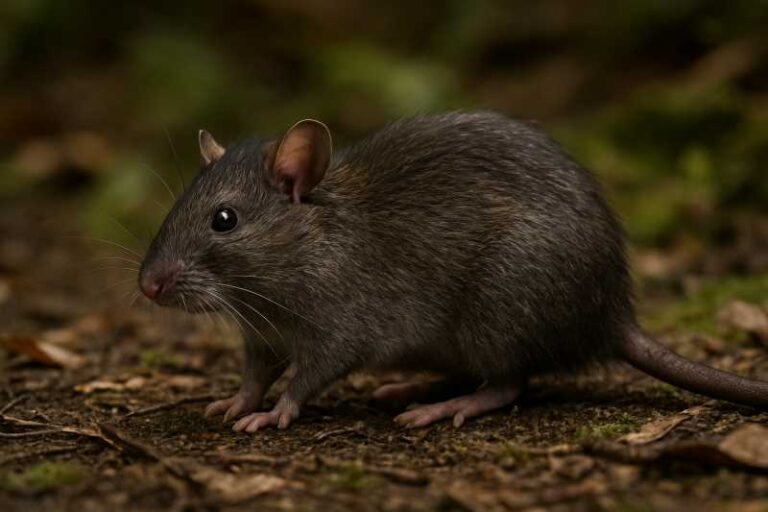
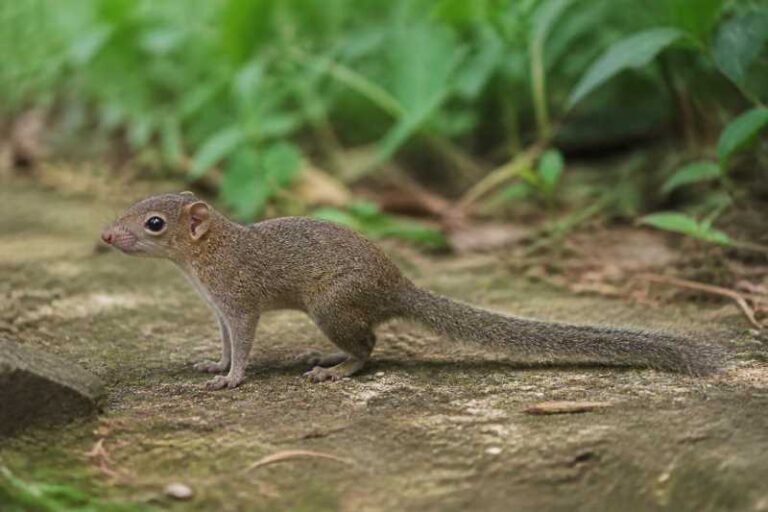
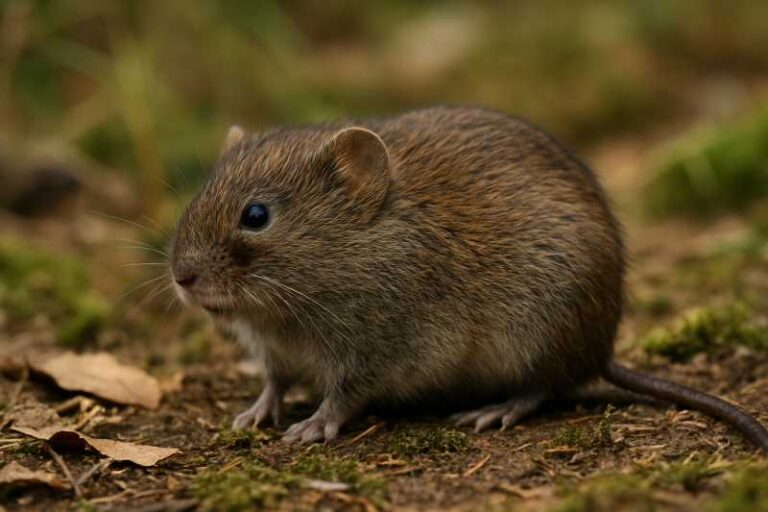
The Kerbis-Peterhans’s Wood Mouse is a small, agile rodent characterized by its distinctive physical traits. Typically, these mice possess a soft, dense fur that ranges in color from pale brown to a darker, more reddish hue, which provides excellent camouflage in their natural environment. The underbelly is usually lighter, often white or cream-colored, contributing to their distinct appearance.
One of the key features of this species is its elongated tail, which often exceeds the length of its body. This tail is not only a tool for balance but also plays a crucial role in climbing and navigating through their arboreal habitat. The ears of the Kerbis-Peterhans’s Wood Mouse are relatively large in proportion to their head, enhancing their auditory capabilities, which are vital for detecting predators and communicating with fellow mice.
Range and Habitat
The Kerbis-Peterhans’s Wood Mouse is primarily found in the forested regions of Central and East Africa. These mice thrive in tropical and subtropical forests, where they can exploit the dense vegetation for both food and shelter. They are most commonly associated with montane forests, where the cooler temperatures and higher humidity levels create an ideal living environment.
These rodents are arboreal by nature, spending most of their time in the tree canopy. Their habitat preferences include areas with abundant leaf litter and undergrowth, which provide ample foraging opportunities and protection from predators. The fragmentation and degradation of these habitats due to human activities pose significant threats to their populations.
Behavior and Diet
Kerbis-Peterhans’s Wood Mouse exhibits nocturnal and crepuscular behavior, being most active during the twilight hours. This behavior is an adaptation that helps them avoid diurnal predators and take advantage of cooler temperatures.
Their diet primarily consists of a variety of seeds, fruits, and insects, making them omnivorous. They play a crucial role in their ecosystem by aiding in seed dispersal and controlling insect populations. The mice are known to exhibit food hoarding behavior, storing excess food in hidden caches for times of scarcity.
Socially, these mice are relatively solitary, with interactions primarily occurring during the breeding season. Communication among individuals is facilitated through vocalizations and scent markings, which help establish territories and attract mates.
Identification Tips (Field Recognition Cues)
Recognizing Kerbis-Peterhans’s Wood Mouse in the wild requires attention to several key characteristics:
- Tail Length: Look for a tail that is notably longer than the body, often used for balance and climbing.
- Fur Color: Identify the mouse by its pale brown to reddish-brown fur, with a lighter underbelly.
- Ear Size: Noticeably large ears relative to the size of the head, aiding in their acute hearing.
- Habitat: Typically found in dense, forested areas rich in undergrowth and leaf litter.
Conservation Status (With Threats and Protections)
Currently, the Kerbis-Peterhans’s Wood Mouse is not listed as endangered, but it faces significant threats primarily due to habitat destruction. Deforestation and land conversion for agriculture and human settlement are leading causes of habitat loss, causing fragmentation of their natural environment.
Conservation efforts focus on habitat preservation and restoration, with several regions implementing protected areas and reserves to safeguard these forest ecosystems. Further research into their ecological role and population dynamics is crucial to developing effective conservation strategies.
Frequently Asked Questions
1. What is the habitat of Kerbis-Peterhans’s Wood Mouse?
Kerbis-Peterhans’s Wood Mouse is typically found in tropical and subtropical forests of Central and East Africa, particularly in montane forest regions.
2. How can one identify a Kerbis-Peterhans’s Wood Mouse?
Key identification features include a long tail, pale brown to reddish-brown fur, large ears, and a preference for dense, forested habitats.
3. What do Kerbis-Peterhans’s Wood Mice eat?
Their diet consists of seeds, fruits, and insects, making them omnivorous and crucial for seed dispersal and insect population control.
4. Are Kerbis-Peterhans’s Wood Mice endangered?
While not currently endangered, they face threats from habitat destruction due to deforestation and land conversion.
Related posts