White-tailed Mole (Parascaptor leucura): A Comprehensive Guide
Introduction
The White-tailed Mole, scientifically known as Parascaptor leucura, is a fascinating yet elusive mammal species that captures the interest of biologists and nature enthusiasts alike. Found primarily in parts of Asia, this small mammal is often overshadowed by its more famous relatives like the European Mole. However, the White-tailed Mole has unique attributes and plays a crucial role in its ecosystem. In this article, we delve into the intricate details of the White-tailed Mole, covering its physical description, habitat, behavior, and much more.
Physical Description
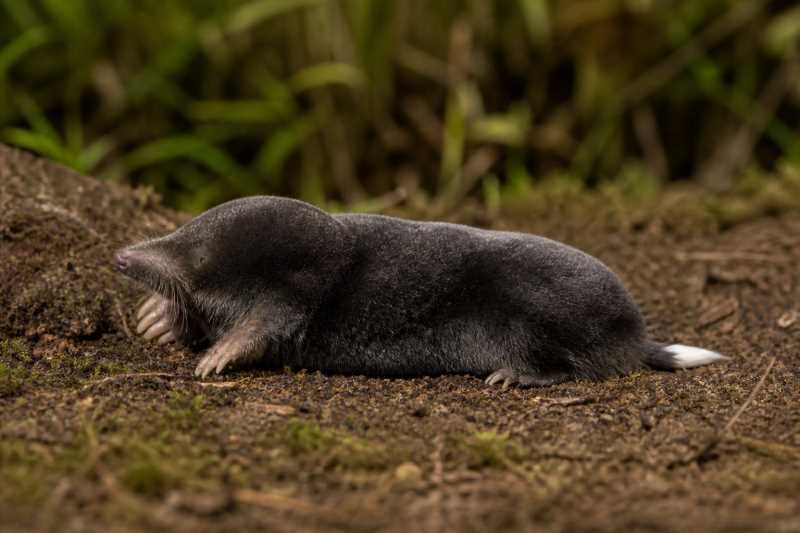
The White-tailed Mole is relatively small, with an average body length ranging from 12 to 16 centimeters. One of its most distinctive features is its short, silky fur, which is predominantly dark gray or black, providing excellent camouflage within its subterranean habitat. As its name suggests, the White-tailed Mole boasts a unique white tail, which is about 1 to 3 centimeters long. This tail is not only a distinguishing feature but also serves as a sensory organ.
The mole has a pointed, elongated snout and tiny, barely visible eyes that are well-adapted for its underground lifestyle. Its powerful forelimbs are equipped with large, spade-like claws designed for efficient digging. The White-tailed Mole’s anatomy is perfectly suited for a life spent mostly beneath the surface, with adaptations that minimize energy expenditure and maximize its burrowing efficiency.
Range and Habitat
The White-tailed Mole is native to the mountainous regions of the Himalayas, primarily found in countries like Nepal, Bhutan, and parts of northern India. It prefers high-altitude environments ranging from 2,000 to 3,500 meters above sea level. The mole thrives in moist, well-drained soils that provide an abundance of invertebrates, its primary food source.
This species is typically found in grasslands, forests, and agricultural lands, often near streams or other water sources. The presence of soft soil is crucial for its burrowing activities, and it tends to avoid arid or rocky terrains.
Behavior and Diet
The White-tailed Mole is a solitary and nocturnal creature, spending most of its life in the dark, labyrinthine tunnels it creates. These tunnels are not only its home but also serve as hunting grounds. The mole’s diet consists mainly of earthworms, insects, and other small invertebrates. It uses its keen sense of touch and smell to detect prey in the dark.
Interestingly, the White-tailed Mole plays a significant ecological role by aerating the soil and controlling insect populations. Its burrowing activities help in mixing soil layers, promoting plant growth and nutrient cycling.
Identification Tips (Field Recognition Cues)
Identifying a White-tailed Mole in the wild can be challenging due to its elusive nature. However, certain cues can aid in recognition:
- Tunnels and Mounds: Look for small, conical mounds of soil, which are indicative of mole activity.
- Fur and Tail: If sighted, note the dark gray or black fur and the distinctive white tail.
- Forelimbs: The prominent, spade-like claws are a key identification feature.
- Habitat: Presence in high-altitude, moist soils is a strong indicator.
Conservation Status (with Threats and Protections)
The White-tailed Mole is currently classified as a species of "Least Concern" by the International Union for Conservation of Nature (IUCN). However, its population is suspected to be declining due to several threats.
Threats
- Habitat Destruction: Agricultural expansion and deforestation are significant threats, leading to loss of suitable habitat.
- Climate Change: Altered precipitation patterns and temperature changes can impact its habitat and food availability.
- Pesticides: The use of chemical pesticides in agricultural lands poses a risk by reducing the mole’s food sources.
Protections
Efforts to conserve the White-tailed Mole include habitat protection and sustainable agricultural practices. Protected areas in the Himalayas offer some refuge, but more targeted conservation strategies are needed to ensure long-term survival.
Frequently Asked Questions
1. What does a White-tailed Mole eat?
The White-tailed Mole primarily feeds on earthworms, insects, and small invertebrates. It uses its acute sense of touch and smell to hunt in the dark.
2. How does the White-tailed Mole contribute to the ecosystem?
By burrowing, the mole aerates the soil, promotes nutrient cycling, and helps control insect populations, playing a vital ecological role.
3. Where can the White-tailed Mole be found?
It is native to the Himalayas, inhabiting parts of Nepal, Bhutan, and northern India, favoring high-altitude, moist environments.
4. How can you identify a White-tailed Mole in the wild?
Look for its distinctive white tail, dark fur, spade-like claws, and the presence of characteristic molehills in suitable habitats.
5. What are the main threats to the White-tailed Mole?
Habitat destruction, climate change, and pesticide use are the main threats impacting its population.
Related posts