Introduction
The El Carrizo Deermouse, scientifically known as Peromyscus ochraventer, is a fascinating and lesser-known species within the diverse family of deermice. These small rodents are endemic to specific regions in Mexico, where they play a crucial role in the ecosystem. This article delves into the various aspects of the El Carrizo Deermouse, from its physical characteristics to its behavior, habitat, and conservation status.
Physical Description
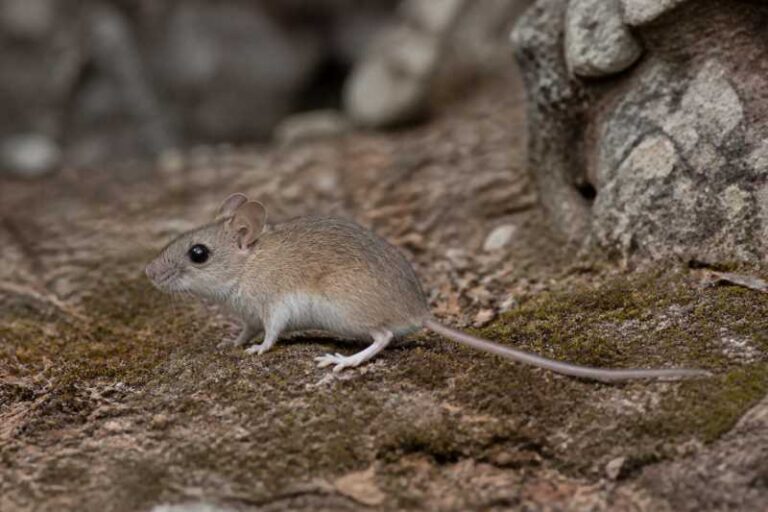
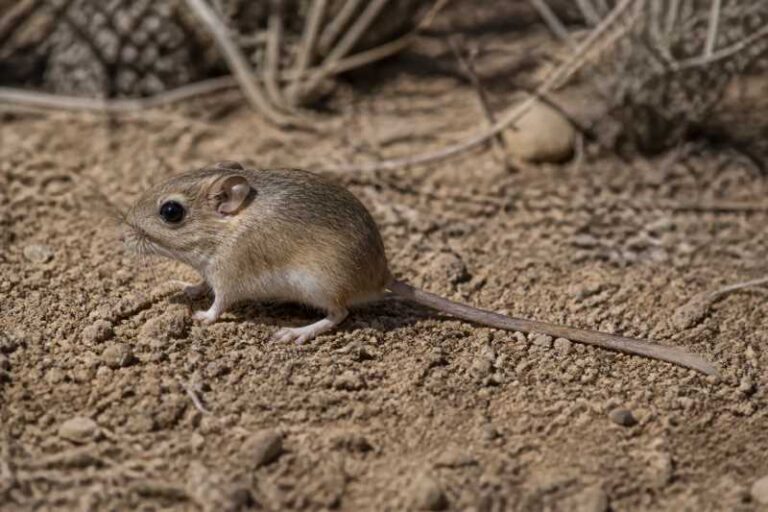
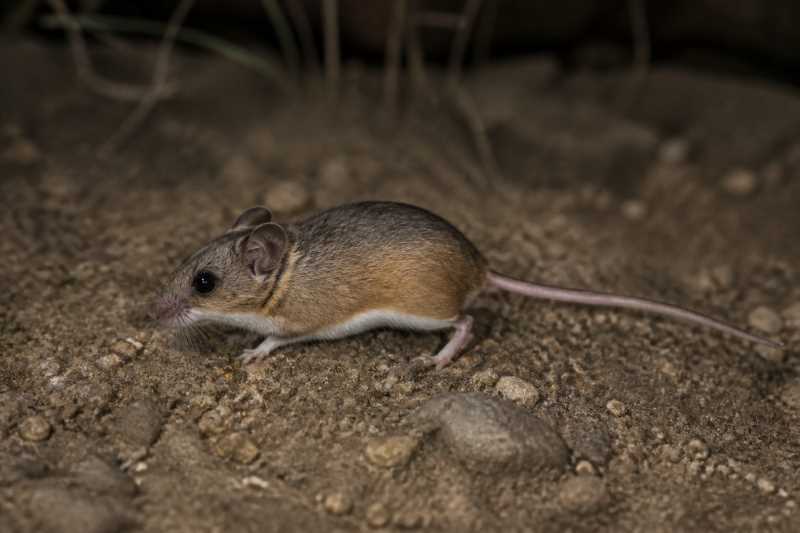
The El Carrizo Deermouse is a small rodent characterized by its distinctive physical features. Adults typically measure between 15 to 20 centimeters in total length, including their tail, which is almost as long as their body. The fur of the El Carrizo Deermouse is soft and dense, providing excellent insulation. The dorsal side is generally a muted brownish color, while the ventral side is noticeably lighter, often appearing whitish or cream-colored. This color contrast aids in camouflage within their natural habitat.
The species is known for its large, dark eyes and prominent ears, which are well-adapted for nocturnal activity. Their whiskers are long and sensitive, aiding in navigation and foraging during the night. The limbs of the El Carrizo Deermouse are slender yet strong, allowing for agile movement through their environment.
Range and Habitat
The El Carrizo Deermouse is native to Mexico, with its range being relatively limited compared to other deermice species. They are primarily found in the Sierra Madre Oriental range, with populations concentrated in high-altitude regions. Their habitat typically includes montane forests and scrublands, where they have adapted to the cooler and often more rugged terrain.
These areas are characterized by a mix of pine and oak forests, providing ample cover and food resources for the deermice. The presence of fallen logs, dense underbrush, and rocky outcrops offer ideal nesting sites and protection from predators. The elevation of their habitat ranges from 1,500 to 3,000 meters above sea level, where temperatures can vary significantly between day and night.
Behavior and Diet
El Carrizo Deermice are primarily nocturnal, with activity peaking during the nighttime. This nocturnal lifestyle helps them avoid many diurnal predators and take advantage of cooler temperatures. They are solitary animals, except during the breeding season, when males and females come together briefly.
Their diet is omnivorous, consisting mainly of seeds, fruits, and small invertebrates. They are opportunistic feeders, adapting their diet based on seasonal availability. The El Carrizo Deermouse plays a vital role in seed dispersal, contributing to the regeneration of their forest habitats.
Identification Tips (field recognition cues)
Identifying the El Carrizo Deermouse in the field can be challenging due to its resemblance to other deermice species. However, there are key characteristics to look for:
- Size and Shape: Look for a small rodent with a slender body and a long tail.
- Coloration: Note the color contrast between the darker dorsal side and the lighter ventral side.
- Ears and Eyes: Large ears and dark eyes are prominent features.
- Habitat: Consider the habitat; they are typically found in high-altitude montane forests.
Conservation Status (with threats and protections)
The El Carrizo Deermouse is currently listed as "Data Deficient" by the International Union for Conservation of Nature (IUCN). This status means there is insufficient information to determine their risk of extinction accurately. However, habitat loss due to deforestation and land development poses significant threats to their populations.
Efforts to protect their habitats are crucial for the conservation of this species. Protected areas within their range, such as national parks and reserves, offer some level of protection. Continued research and monitoring are necessary to better understand their population dynamics and implement effective conservation strategies.
Frequently Asked Questions
1. What is the primary diet of the El Carrizo Deermouse?
The El Carrizo Deermouse is omnivorous, feeding on a diet of seeds, fruits, and small invertebrates. They are adaptable feeders, changing their diet based on the availability of food resources in their habitat.
2. Where can the El Carrizo Deermouse be found?
The El Carrizo Deermouse is found in the high-altitude regions of the Sierra Madre Oriental in Mexico. They inhabit montane forests and scrublands, particularly areas with a mix of pine and oak forests.
3. How does the El Carrizo Deermouse contribute to its ecosystem?
The El Carrizo Deermouse plays a crucial role in seed dispersal, aiding in the regeneration of forest habitats. By feeding on seeds and fruits and subsequently transporting them, they help maintain the biodiversity of their ecosystem.
4. What are the main threats to the El Carrizo Deermouse?
The primary threats to the El Carrizo Deermouse include habitat loss due to deforestation and land development. These activities lead to the fragmentation of their habitat, which can impact their populations.
5. How can we help in the conservation of the El Carrizo Deermouse?
Conservation efforts can be supported by promoting the protection of their habitats through the establishment of protected areas and reserves. Additionally, raising awareness about the species and supporting research initiatives can aid in their preservation.
Related posts