Introduction
The Chacoan Marsh Rat, scientifically known as Holochilus chacarius, is an intriguing species within the rodent family. Found primarily in the South American continent, this marsh rat is a key species contributing to the biodiversity of its native habitats. Understanding the characteristics and ecological role of the Chacoan Marsh Rat provides insight into the complex ecosystems of the regions it inhabits.
Physical Description
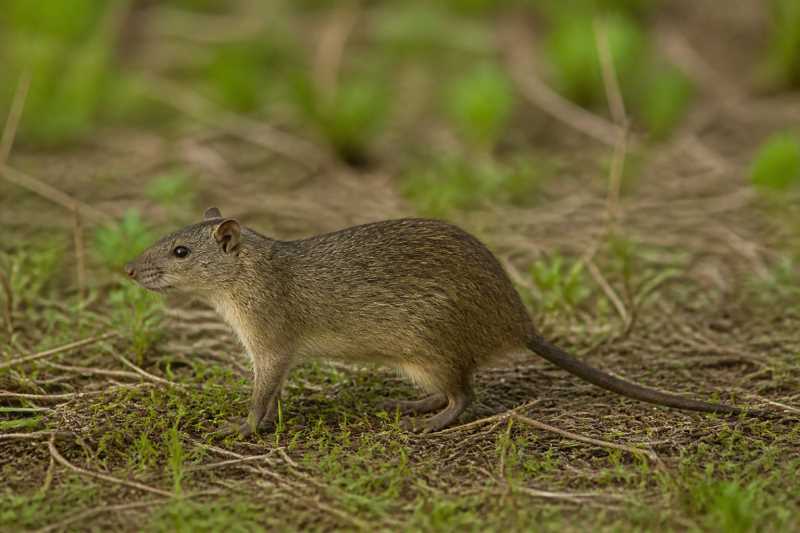
The Chacoan Marsh Rat is a medium-sized rodent, typically measuring between 20 to 30 centimeters in length, excluding the tail, which can add an additional 20 centimeters. It has a robust and compact body covered with dense, soft fur that is usually brownish-gray on the dorsal side and lighter on the ventral side. The tail is relatively long and scaly, providing balance and aiding in swimming.
Their ears are small and rounded, while their eyes are large and adapted for low-light conditions. The Chacoan Marsh Rat has strong hind legs, which are slightly longer than the forelegs, enabling it to leap and navigate marshy landscapes effectively.
Range and Habitat
The Chacoan Marsh Rat is predominantly found in the Gran Chaco region, spanning parts of Argentina, Bolivia, and Paraguay. This area is characterized by its semi-arid climate and a mix of dry forest, savanna, and marshland ecosystems. The Chacoan Marsh Rat prefers wetland areas, such as marshes and riverbanks, where it can easily access water.
These rodents are highly dependent on water bodies not only for hydration but also for food resources. The dense vegetation around these water bodies provides ample cover from predators and suitable nesting sites.
Behavior and Diet
Chacoan Marsh Rats are primarily nocturnal creatures, becoming active during the night to forage for food. Their diet consists mainly of plant material, including grasses, seeds, and aquatic plants, making them herbivorous. Occasionally, they may consume small invertebrates.
These rats are skilled swimmers, often seen navigating through the water in search of food or evading predators. They construct burrows near water sources, which serve as resting and nesting sites. The social structure of the Chacoan Marsh Rat is not extensively studied, but they are believed to be solitary or to form small family groups.
Identification Tips (Field Recognition Cues)
When attempting to identify the Chacoan Marsh Rat in the wild, observers should take note of several key characteristics:
- Size and Shape: Medium-sized with a long tail. The body is compact and covered with dense fur.
- Coloring: Brownish-gray dorsal fur with a lighter underside. The tail is scaly and dark.
- Habitat Preference: Typically found near water bodies in marshes or along riverbanks.
- Activity: Primarily nocturnal, often seen swimming or foraging at night.
- Behavior: Look for signs of burrows near water sources, which may indicate their presence.
Conservation Status (With Threats and Protections)
As of the latest assessments, the Chacoan Marsh Rat is not listed as a threatened species by the International Union for Conservation of Nature (IUCN). However, habitat degradation poses a significant threat. The draining of wetlands for agricultural expansion and urban development has led to habitat loss, impacting their populations.
Conservation efforts are essential to ensure the preservation of their natural habitats. Protecting wetland ecosystems not only benefits the Chacoan Marsh Rat but also supports a myriad of other species that depend on these environments.
Frequently Asked Questions
Why is this species unique?
The Chacoan Marsh Rat is unique due to its adaptation to wetland habitats. Its strong swimming abilities and dependence on aquatic environments set it apart from other rodents that prefer drier habitats.
What are the main threats to the Chacoan Marsh Rat?
The primary threats include habitat loss due to wetland drainage and agricultural expansion. Conservation efforts aimed at preserving wetland ecosystems are crucial for their survival.
How can one contribute to Chacoan Marsh Rat conservation?
Supporting wetland conservation projects and promoting sustainable land use practices are effective ways to contribute to the conservation of the Chacoan Marsh Rat and its habitat.
What is the significance of the Chacoan Marsh Rat in its ecosystem?
As herbivores, Chacoan Marsh Rats play a vital role in maintaining the health of wetland ecosystems by aiding in plant control and seed dispersal, thus supporting biodiversity.
Related posts