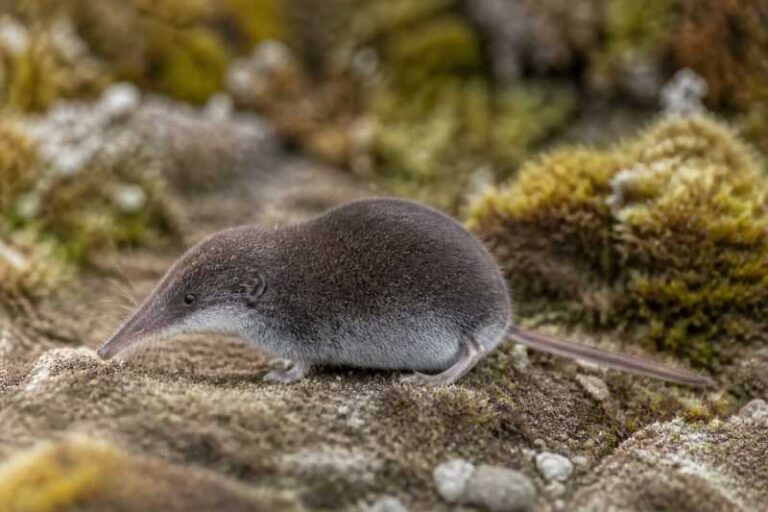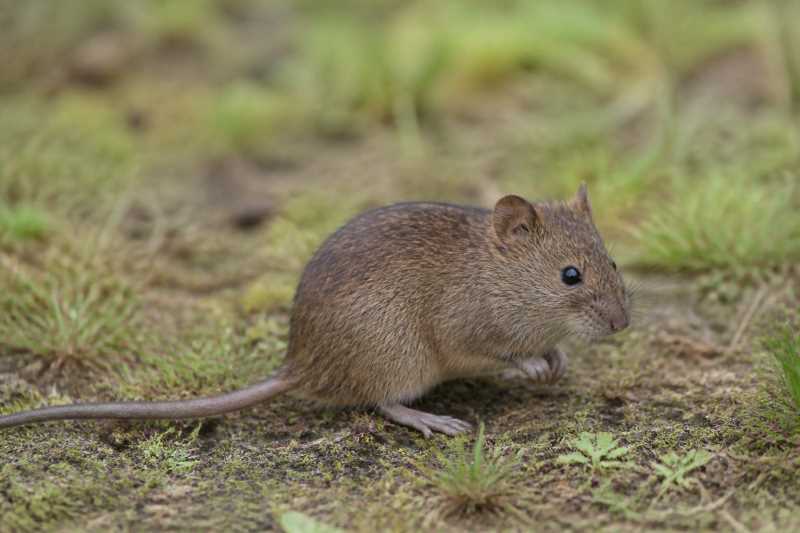
Soft-furred Grass Mouse (Akodon mollis)
Introduction
The Soft-furred Grass Mouse, scientifically known as Akodon mollis, is a small rodent of the family Cricetidae. This species is commonly found in various parts of South America and is known for its adaptability to diverse habitats. The Soft-furred Grass Mouse is a subject of interest not only to researchers studying rodent behavior and ecology but also to conservationists, given its habitat’s vulnerability to human activities. Understanding this species’ characteristics, distribution, and ecology is crucial for its conservation.
Physical Description
The Soft-furred Grass Mouse is a small, agile rodent characterized by its soft, dense fur. The coloration of this species varies, but it typically presents a greyish-brown dorsal coat with a lighter underbelly. The fur’s texture is particularly soft, which is a defining feature of the species. Adults usually measure between 10 to 14 centimeters in body length, with a tail length of approximately 7 to 10 centimeters. This species has a relatively robust build with short limbs and a rounded snout. The ears are moderately sized and covered with fine hairs, while the eyes are small and bead-like, adapted for their nocturnal lifestyle.
Range and Habitat
The Soft-furred Grass Mouse is predominantly found in South America, with a distribution range that includes countries such as Peru, Ecuador, and Colombia. It inhabits various ecosystems, from lowland tropical rainforests to high-altitude Andean grasslands. This adaptability to different environmental conditions highlights the species’ ecological versatility. Particularly, they thrive in regions with dense ground vegetation, which offers both food resources and protection from predators. Despite their adaptability, they are vulnerable to habitat fragmentation and loss due to agricultural expansion and deforestation.
Behavior and Diet
The behavior of the Soft-furred Grass Mouse is largely nocturnal. They are primarily solitary animals except during the breeding season. This rodent is known for its foraging behavior, often seen searching for food at night. Their diet is omnivorous, consisting mainly of seeds, fruits, insects, and occasionally small invertebrates. This varied diet allows them to adapt to the availability of food resources in their habitats. Breeding occurs year-round, with females capable of producing several litters per year, each consisting of two to six offspring.
Identification Tips (Field Recognition Cues)
Identifying the Soft-furred Grass Mouse in the field requires attention to several key characteristics:
- Fur Texture and Color: Look for the soft, dense fur that is greyish-brown on the back and lighter on the belly.
- Size and Shape: Note the small size, ranging from 10 to 14 centimeters in body length, with a proportionately shorter tail.
- Ears and Eyes: Moderately sized, hairy ears and small, dark eyes that indicate their nocturnal nature.
- Habitat Preference: Observe the type of vegetation; they favor dense grasses and shrubs.
Conservation Status (With Threats and Protections)
The International Union for Conservation of Nature (IUCN) currently lists the Soft-furred Grass Mouse as a species of Least Concern. However, this status does not negate the potential threats they face. Habitat destruction due to agriculture, urbanization, and deforestation poses significant risks to their populations. Furthermore, climate change may alter their habitats, making them less hospitable. Conservation efforts are primarily focused on habitat preservation and restoration. Protected areas within their range provide some security, but more extensive efforts are necessary to ensure long-term viability.
Frequently Asked Questions
1. What is the primary diet of the Soft-furred Grass Mouse (Akodon mollis)?
The Soft-furred Grass Mouse is omnivorous, feeding on a variety of seeds, fruits, insects, and small invertebrates. This diverse diet helps them adapt to varying food availability in their habitats.
2. How does habitat destruction impact the Soft-furred Grass Mouse?
Habitat destruction, primarily due to agriculture and deforestation, reduces available living spaces and food resources, increasing vulnerability to predators and environmental changes.
3. Where can the Soft-furred Grass Mouse be found in the wild?
The Soft-furred Grass Mouse is native to South America, particularly in Peru, Ecuador, and Colombia, inhabiting environments ranging from tropical rainforests to Andean grasslands.
4. How can I identify a Soft-furred Grass Mouse in its natural habitat?
Identify the Soft-furred Grass Mouse by its soft, greyish-brown fur, small size (10-14 cm body length), moderately sized hairy ears, and preference for dense ground vegetation.
5. Are there any conservation measures in place for the Soft-furred Grass Mouse?
Yes, conservation measures include habitat preservation in protected areas. However, ongoing efforts are needed to address threats from habitat destruction and climate change.
Related posts