Introduction
The Shiny Guinea Pig, scientifically known as Cavia fulgida, is a captivating species within the Caviidae family. This small mammal, native to South America, has intrigued zoologists and pet enthusiasts alike due to its unique characteristics and behaviors. Unlike its domesticated relatives, the Shiny Guinea Pig thrives in the wild, showcasing a rich tapestry of ecological adaptations. In this comprehensive guide, we delve into the various aspects of this fascinating creature, from its physical attributes to its habitat range, behavior, and conservation status.
Physical Description
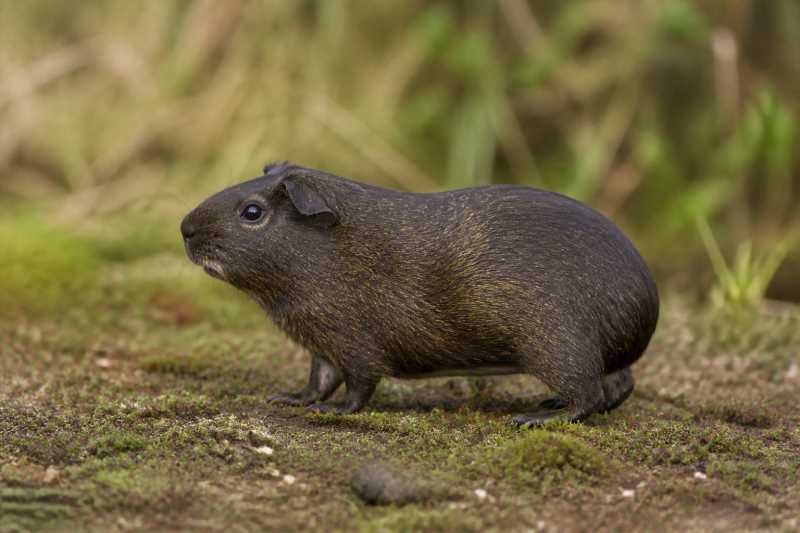
The Shiny Guinea Pig is aptly named for its lustrous, smooth coat that glistens under sunlight. This small rodent typically measures between 20 to 30 centimeters in length and weighs around 500 to 800 grams. Their fur is predominantly a rich, deep brown with a subtle undertone of black, which aids in camouflage within their natural habitat. The Shiny Guinea Pig possesses a stout body with short limbs, round ears, and bright, expressive eyes that lend to its endearing appearance.
A striking feature of the Shiny Guinea Pig is its dense fur, which offers protection against the elements and predation. This species lacks a tail and instead has a rounded hind end, characteristic of the Caviidae family. Their front teeth, or incisors, are continuously growing, necessitating constant gnawing to maintain an ideal length and functionality.
Range and Habitat
The natural range of the Shiny Guinea Pig spans the tropical and subtropical regions of South America, primarily in Brazil. They inhabit a variety of ecosystems, from dense rainforests to open grasslands. These adaptable creatures prefer areas with ample ground cover, such as underbrush and leaf litter, which provide both food sources and protection from predators.
Their habitat choices are influenced by the availability of food and shelter. Shiny Guinea Pigs often form burrows or utilize existing crevices to create nests. These burrows offer refuge from predators and harsh weather conditions. The species has been noted to thrive in areas that balance moisture and dryness, avoiding overly saturated or arid regions.
Behavior and Diet
Shiny Guinea Pigs are social animals, often found in small groups. These groups can consist of a few individuals to larger communities, depending on the availability of resources and the safety of the environment. Their social structure is relatively simple, often led by a dominant male, with females and juveniles comprising the rest of the group.
Primarily herbivorous, the diet of the Shiny Guinea Pig consists of a wide array of plant material. They feed on grasses, seeds, fruits, and leaves, showing a preference for fresh, moist vegetation. Their foraging activity peaks during dawn and dusk, aligning with cooler temperatures and reduced predation risk.
Communication among Shiny Guinea Pigs is complex, involving a range of vocalizations, body postures, and scent markings. They emit various sounds, from purrs and whistles to growls and chirps, each serving a distinct purpose, such as alerting the group to potential danger or establishing dominance.
Identification Tips (Field Recognition Cues)
Identifying the Shiny Guinea Pig in the wild requires keen observation and an understanding of their unique characteristics. Here are some tips to aid in field recognition:
- Coat Shine: Look for the glossy sheen of their fur, which distinguishes them from other guinea pig species.
- Coloration: Note the deep brown and black fur, which may vary slightly but remains a key identifier.
- Size and Shape: Observe the compact, tailless body and short limbs, typical of this species.
- Social Groups: Spotting small groups can indicate the presence of Shiny Guinea Pigs, as they are rarely solitary.
- Vocalizations: Listen for their distinctive calls, particularly the soft whistles and purrs often heard during foraging.
Conservation Status (With Threats and Protections)
Currently, the Shiny Guinea Pig is classified as a species of Least Concern by the International Union for Conservation of Nature (IUCN). However, this does not imply that the species faces no threats. Habitat loss due to deforestation and agricultural expansion poses significant risks to their populations. Additionally, hunting for meat and the pet trade can impact local populations.
Conservation efforts are in place to mitigate these threats, focusing on habitat preservation and sustainable land-use practices. Protected areas and national parks within their range offer some degree of safety, but continued vigilance and conservation advocacy are crucial to ensuring the long-term survival of the Shiny Guinea Pig.
Frequently Asked Questions
What is the natural habitat of the Shiny Guinea Pig?
The Shiny Guinea Pig thrives in the tropical and subtropical regions of South America, particularly in Brazil. They prefer habitats with ample ground cover, such as dense rainforests and open grasslands, where they can find food and protection from predators.
How can you identify a Shiny Guinea Pig in the wild?
Key identification features include their glossy, deep brown fur, compact tailless body, and short limbs. Observing their social behavior and listening for their distinct vocalizations can also aid in recognition.
What threats do Shiny Guinea Pigs face?
The primary threats to Shiny Guinea Pigs include habitat loss due to deforestation and agricultural expansion. Hunting for meat and the pet trade also pose risks to their populations.
Are Shiny Guinea Pigs social animals?
Yes, Shiny Guinea Pigs are highly social and often found in small groups. These groups are typically led by a dominant male and consist of females and juveniles.
What do Shiny Guinea Pigs eat?
Shiny Guinea Pigs are herbivores, feeding on grasses, seeds, fruits, and leaves. They prefer fresh, moist vegetation and are most active during dawn and dusk when foraging.
Related posts