Introduction
The Amur Brown Lemming, scientifically known as Lemmus amurensis, is a small rodent species belonging to the family Cricetidae. It is a fascinating creature whose ecological role and adaptive behaviors have intrigued researchers and wildlife enthusiasts alike. Despite its diminutive size, the Amur Brown Lemming plays a crucial role in its ecosystem, impacting vegetation dynamics and serving as a prey species for various predators. This article dives into the unique characteristics, habitat preferences, and conservation status of this often-overlooked mammal.
Physical Description
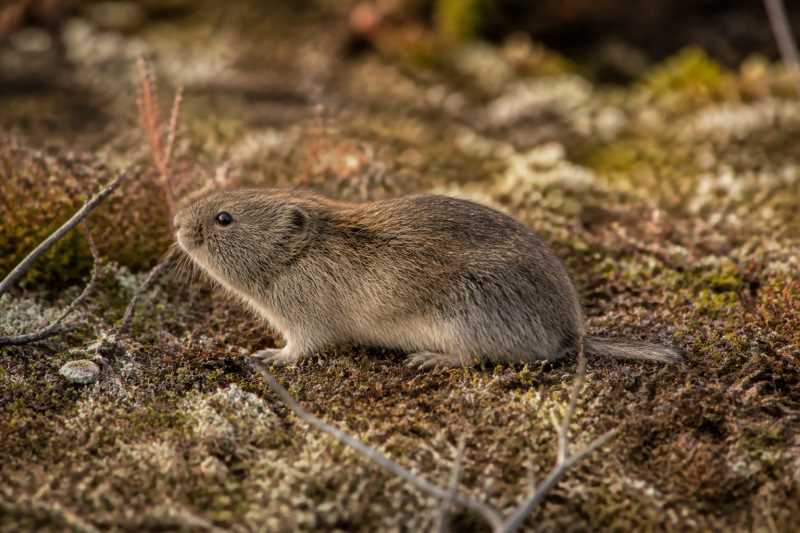
The Amur Brown Lemming is characterized by its stout body, short legs, and round, furry appearance. Adults typically measure between 10 to 15 centimeters in length, with a weight ranging from 30 to 70 grams. Their fur is dense and soft, providing excellent insulation against the cold climates they inhabit. The fur coloration is predominantly brown, with shades varying from light tawny to dark chestnut, which aids in camouflaging within their natural surroundings. Unlike some other lemming species, the Amur Brown Lemming exhibits relatively small ears and tail, further accentuating its compact body shape.
Range and Habitat
The Amur Brown Lemming is primarily found in the northeastern parts of Asia, particularly in the Amur River basin, which spans across parts of Russia and China. This species thrives in cold, temperate regions, predominantly in tundra and taiga habitats. They are highly adaptable and can also be found in marshlands and grasslands where low, dense vegetation is prevalent. The lemmings build intricate burrow systems in the soil, which offer protection from predators and harsh weather conditions. These burrows are essential for nesting and storing food during the harsh winter months.
Behavior and Diet
Amur Brown Lemmings are primarily nocturnal creatures, although they may occasionally be active during the day, especially in the summer months when daylight is extended. They are solitary animals, with each individual occupying its own territory unless during the breeding season. Their diet consists mainly of a variety of plant materials, including grasses, sedges, and mosses. During the summer, they consume fresh vegetation, while in the winter, they rely on stored food and roots accessible beneath the snow.
Breeding occurs from late spring to early fall, with females capable of producing multiple litters per year, each consisting of 4-6 young on average. This high reproductive rate is essential for sustaining population numbers, given their role as a key prey species in the food chain.
Identification Tips (field recognition cues)
Identifying the Amur Brown Lemming in the wild can be challenging due to its small size and elusive nature. However, there are several field recognition cues that can aid in its identification:
- Fur Color: Look for the characteristic brown fur, which ranges from light tawny to dark chestnut.
- Size and Shape: Note the compact, round body with short legs and a small tail.
- Habitat: Focus on areas with dense vegetation, such as tundra or taiga regions, especially near the Amur River basin.
- Behavior: Observe for solitary, nocturnal activity patterns, particularly during twilight hours.
Conservation Status (with threats and protections)
The conservation status of the Amur Brown Lemming is currently classified as Least Concern by the IUCN Red List. Despite this relatively stable status, the species faces several potential threats, primarily stemming from habitat destruction and climate change. Deforestation and land development can alter their natural habitats, while changing climate patterns impact the availability of food and suitable living conditions.
Protection efforts are focused on preserving their natural habitats and mitigating the effects of climate change. Conservationists advocate for sustainable land management practices and the establishment of protected areas to ensure the survival of the Amur Brown Lemming and other species within its ecosystem.
Frequently Asked Questions
What do Amur Brown Lemmings eat in the wild?
Amur Brown Lemmings primarily consume grasses, sedges, and mosses. In winter, they rely on stored food and accessible roots beneath the snow.
Where can the Amur Brown Lemming be found?
These lemmings are found in the northeastern parts of Asia, particularly in the Amur River basin across Russia and China, thriving in tundra and taiga habitats.
How does climate change affect the Amur Brown Lemming?
Climate change impacts their habitat and food availability. Altered weather patterns can lead to habitat loss and reduced food sources, threatening their survival.
Are Amur Brown Lemmings social animals?
Amur Brown Lemmings are primarily solitary, except during the breeding season. They each maintain their own territory and are mostly active at night.
What is the conservation status of the Amur Brown Lemming?
The Amur Brown Lemming is classified as Least Concern, but it faces threats from habitat destruction and climate change, necessitating conservation efforts.
Related posts