Introduction
The São Paulo Spiny-rat, scientifically known as Trinomys iheringi, is a fascinating yet relatively obscure species of rodent found primarily in Brazil. As a member of the Echimyidae family, this spiny-rat exhibits several unique characteristics that distinguish it from other rodents. Despite its name, the São Paulo Spiny-rat is not exclusive to the city of São Paulo but is found in various parts of the Atlantic Forest biome. This article delves into the physical attributes, habitat preferences, behavior, diet, and conservation status of this remarkable mammal, offering a comprehensive understanding for researchers, conservationists, and wildlife enthusiasts alike.
Physical Description
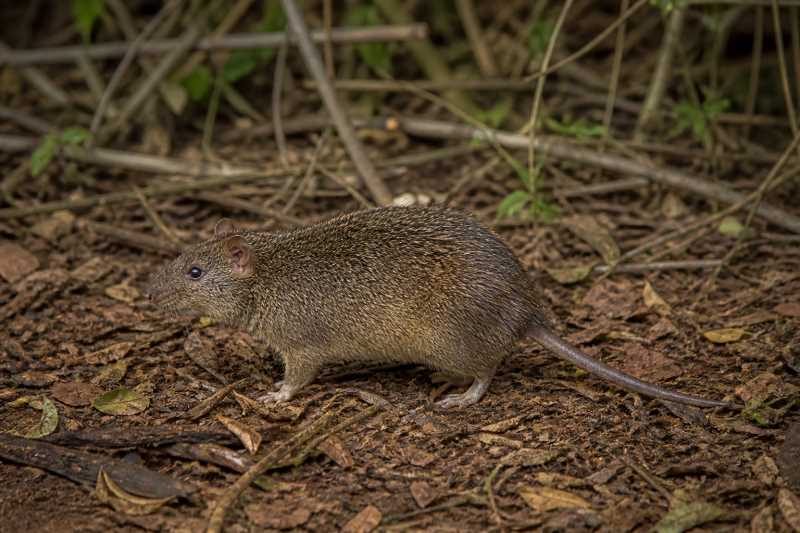
The São Paulo Spiny-rat is a medium-sized rodent with a distinctive appearance. Adults typically weigh between 150 and 300 grams, and their body length ranges from 20 to 30 centimeters, with a tail that measures approximately the same length as the body. The most striking feature of this species is its spiny fur, which consists of stiff, bristle-like hairs that provide a form of protection against predators. The fur is generally a mottled brown or gray, allowing the rat to blend seamlessly into its forest environment.
The spiny-rat has a robust body with strong, clawed limbs adapted for digging and climbing. Its head is characterized by a short, blunt snout and large, rounded ears, which are well-suited for detecting sounds in dense underbrush. The eyes are relatively large, providing good vision in low-light conditions, which is crucial for its predominantly nocturnal lifestyle.
Range and Habitat
The São Paulo Spiny-rat is endemic to the Atlantic Forest of Brazil, a biodiversity hotspot that stretches along the country’s eastern coast. This forested region, known for its high levels of endemism and species richness, provides an ideal habitat for the spiny-rat. The species is found in both primary and secondary forests, indicating a degree of adaptability to different environmental conditions.
Although primarily associated with forested areas, the São Paulo Spiny-rat can also be found in plantations and other modified landscapes, provided that there is sufficient cover and food availability. The presence of dense vegetation is crucial for the species, as it offers protection from predators and a rich source of food.
Behavior and Diet
The São Paulo Spiny-rat is primarily nocturnal, with most of its activity occurring during the night. This behavior helps it avoid predators and the heat of the day. During daylight hours, the rat typically shelters in burrows or dense vegetation. It is a solitary creature, with individuals maintaining separate territories that they mark with scent.
The diet of the São Paulo Spiny-rat is omnivorous, consisting of a wide variety of plant materials, seeds, fruits, and occasionally small invertebrates. This varied diet reflects the abundance of resources available in the Atlantic Forest. The spiny-rat plays a crucial role in seed dispersal, aiding in forest regeneration and maintaining the ecological balance of its habitat.
Identification Tips (field recognition cues)
Identifying the São Paulo Spiny-rat in the wild requires attention to several key features:
- Spiny Fur: Look for the distinctive spiny or bristle-like hairs that cover the body.
- Coloration: Note the mottled brown or gray coloration, which provides camouflage in forest environments.
- Size and Shape: Medium-sized with a robust body, short snout, and large, rounded ears.
- Behavior: Primarily nocturnal and solitary, often found in dense vegetation or burrows.
- Habitat: Typically found in the Atlantic Forest, particularly in areas with dense underbrush.
Conservation Status (with threats and protections)
The São Paulo Spiny-rat is currently classified as “Least Concern” by the International Union for Conservation of Nature (IUCN). However, its population is believed to be declining due to habitat loss and fragmentation. The Atlantic Forest has been significantly reduced over the years due to logging, agriculture, and urban expansion, posing a threat to the spiny-rat’s habitat.
Conservation efforts are focused on preserving and restoring the Atlantic Forest, which is crucial for the survival of this and many other species. Protected areas and national parks within the forest play a vital role in safeguarding the spiny-rat’s habitat. Continued research and monitoring are necessary to ensure the long-term survival of the São Paulo Spiny-rat and the biodiversity of the Atlantic Forest.
Frequently Asked Questions
1. What is the primary habitat of the São Paulo Spiny-rat?
The São Paulo Spiny-rat primarily inhabits the Atlantic Forest of Brazil. It is found in both primary and secondary forests, as well as in plantations and modified landscapes with sufficient cover and food availability.
2. How does the São Paulo Spiny-rat contribute to its ecosystem?
The São Paulo Spiny-rat plays a crucial role in seed dispersal, aiding in forest regeneration. Its feeding habits help maintain the ecological balance of its habitat, supporting the rich biodiversity of the Atlantic Forest.
3. What are the main threats to the São Paulo Spiny-rat?
The main threats to the São Paulo Spiny-rat include habitat loss and fragmentation due to logging, agriculture, and urban expansion in the Atlantic Forest. Conservation efforts are needed to preserve its habitat.
4. How can you identify a São Paulo Spiny-rat in the wild?
To identify a São Paulo Spiny-rat, look for its distinctive spiny fur, mottled brown or gray coloration, medium size, and nocturnal behavior. It is often found in dense vegetation within the Atlantic Forest.
5. Is the São Paulo Spiny-rat endangered?
Currently, the São Paulo Spiny-rat is classified as “Least Concern” by the IUCN. However, its population is declining due to habitat loss, highlighting the need for ongoing conservation efforts.
Related posts