Introduction
The Tropical Pocket Gopher, scientifically known as Geomys tropicalis, is a fascinating burrowing mammal endemic to specific regions of the world. Renowned for its subterranean lifestyle, the species plays a crucial role in the ecosystem by influencing soil composition and plant dynamics. Despite its ecological importance, the Tropical Pocket Gopher remains relatively obscure, largely overshadowed by more conspicuous wildlife. This article aims to illuminate the unique characteristics, habitat preferences, and conservation status of this intriguing mammal.
Physical Description
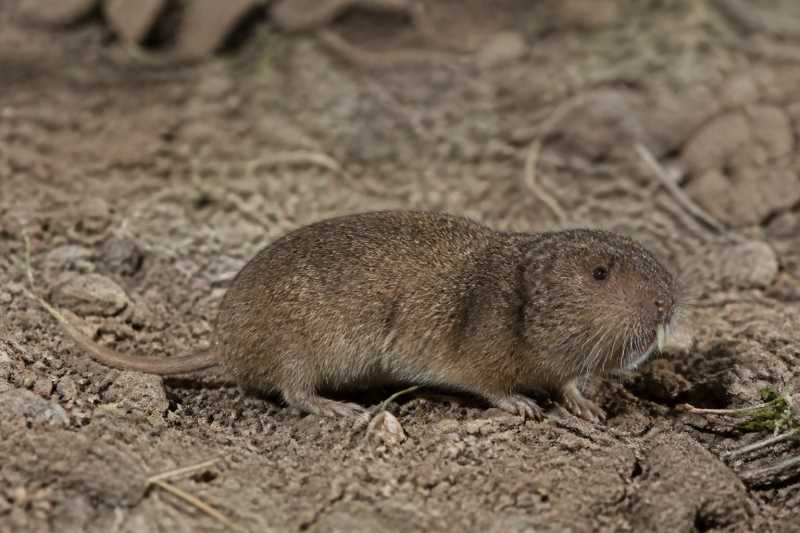
The Tropical Pocket Gopher is a medium-sized rodent characterized by its robust, cylindrical body, which is well-adapted for a life spent mostly underground. Typically, an adult gopher measures around 20–30 cm in length, with a tail length of approximately 5–10 cm. The gopher’s fur is short and dense, providing protection from soil and moisture, and varies in color from dark brown to grayish hues, aiding in camouflage within its natural habitat.
One of the most distinctive features of the Tropical Pocket Gopher is its large, powerful forelimbs equipped with long, curved claws, specifically evolved for proficient digging. The gopher’s cheek pouches, or "pockets," are fur-lined, external, and open near the mouth, allowing for efficient transport of food and nesting materials.
Range and Habitat
The Tropical Pocket Gopher is predominantly found in the tropical regions of Mexico, particularly in the states of Tamaulipas and Veracruz. The species thrives in loose, sandy soils where it can easily construct its elaborate burrow systems. These burrows, which can extend several meters underground, provide shelter from predators, regulate temperature, and serve as storage for food.
The gopher’s habitat preference includes grasslands, open woodlands, and agricultural fields where the soil is conducive to burrowing. However, the expansion of human activities has led to habitat fragmentation, posing challenges to the gopher’s survival.
Behavior and Diet
Tropical Pocket Gophers are solitary and territorial creatures, with each individual maintaining its own burrow system. They are primarily nocturnal, emerging at night to forage for food. The species is herbivorous, feeding on a diet of roots, tubers, and stems of various plants. Their foraging activity contributes to soil aeration and nutrient cycling, highlighting their ecological significance.
The gopher’s burrow system includes multiple chambers used for nesting, food storage, and waste disposal. These intricate tunnels not only provide safety from predators but also help in maintaining ecological balance by affecting plant community dynamics.
Identification Tips (Field Recognition Cues)
Identifying a Tropical Pocket Gopher in its natural habitat involves recognizing several key characteristics:
- Burrow Entrances: Look for fan-shaped soil mounds, which indicate active burrowing sites. These mounds are created as the gopher excavates soil from its tunnels.
- Fur and Size: Note the gopher’s coloration and size. Its dark brown to grayish fur and medium build distinguish it from other rodents.
- Cheek Pouches: The presence of visible cheek pouches is a distinctive feature when observing the gopher up close.
- Activity Patterns: Observe nocturnal activity and feeding habits, often indicated by tracks or partially eaten vegetation near burrow entrances.
Conservation Status (with Threats and Protections)
The Tropical Pocket Gopher is currently listed as "Vulnerable" by the International Union for Conservation of Nature (IUCN). Several factors contribute to its precarious status, including habitat destruction due to agricultural expansion, urban development, and climate change.
Conservation efforts are underway to protect the remaining habitats of this species. These efforts include habitat restoration projects and the establishment of protected areas to safeguard critical ecosystems. Public awareness and education programs aim to highlight the importance of preserving this keystone species and its ecological role.
Frequently Asked Questions
1. What is the primary diet of the Tropical Pocket Gopher?
The Tropical Pocket Gopher primarily feeds on a variety of plant materials, including roots, tubers, and stems. As herbivores, they play a crucial role in their ecosystem by impacting plant growth and soil quality.
2. How can I identify a Tropical Pocket Gopher burrow?
Look for fan-shaped mounds of soil at the entrance of the burrow, which are indicative of gopher activity. These mounds result from the gopher’s excavation efforts as it creates and maintains its underground habitat.
3. Why is the Tropical Pocket Gopher considered vulnerable?
The species faces threats from habitat destruction due to agricultural and urban development, as well as climate change. These factors contribute to population decline and habitat fragmentation, prompting conservation measures.
4. Are Tropical Pocket Gophers nocturnal?
Yes, Tropical Pocket Gophers are primarily nocturnal, with most of their activity occurring at night when they forage for food and maintain their burrow systems.
5. What role do Tropical Pocket Gophers play in their ecosystem?
Tropical Pocket Gophers are vital to their ecosystem, contributing to soil aeration and nutrient cycling through their burrowing and foraging activities, which support plant diversity and growth.
Related posts