Introduction
The Forest Tuco-tuco (Ctenomys frater) is a fascinating and lesser-known mammal species that inhabits the forests of South America. This small, burrowing rodent has captured the interest of biologists and nature enthusiasts alike due to its unique adaptations to a subterranean lifestyle and its role in the ecosystem. Understanding the Forest Tuco-tuco is pivotal for conservation efforts, as this species is an indicator of soil health and forest ecosystem integrity.
Physical Description
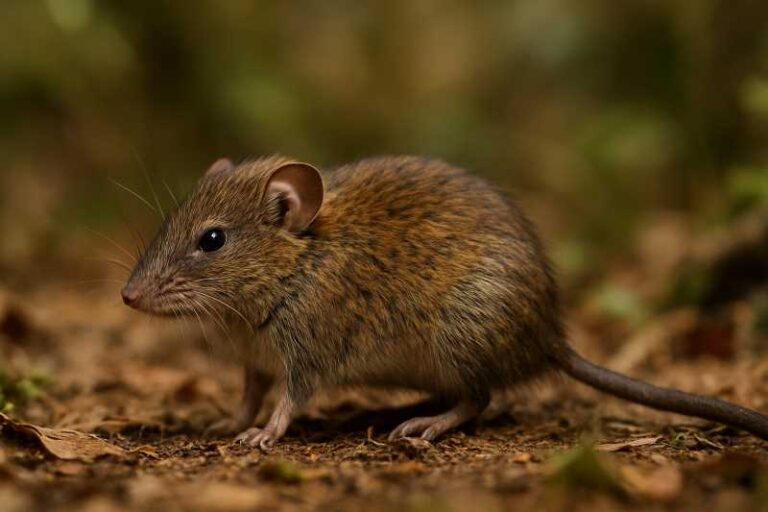
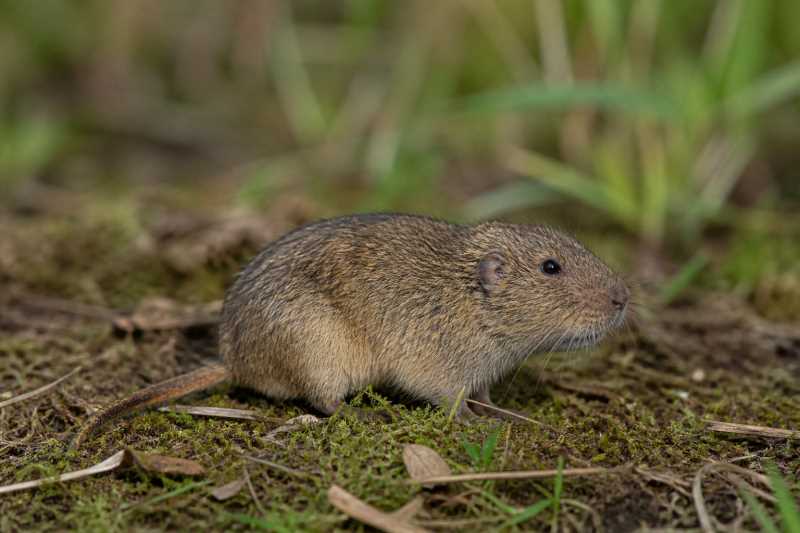
The Forest Tuco-tuco is a medium-sized rodent, typically measuring between 15 to 25 cm in length, with a robust and cylindrical body. Its fur is soft and dense, generally displaying shades of brown and gray that provide excellent camouflage within its forest habitat. One of the most striking features of the Forest Tuco-tuco is its large, powerful forelimbs equipped with long claws, which are perfectly adapted for digging. These limbs enable the Tuco-tuco to create extensive burrow systems underground.
The head of the Forest Tuco-tuco is broad, with small eyes and ears, adaptations that minimize exposure to dirt and debris during digging. Its incisors are large and protruding, specialized for gnawing on roots and other plant material. The tail is relatively short, aiding in balance and maneuverability within narrow tunnels.
Range and Habitat
The Forest Tuco-tuco is primarily found in the temperate and subtropical forests of South America, with its range extending through parts of Argentina, Bolivia, and Paraguay. It prefers areas with loose, sandy soils that facilitate burrowing. These rodents are typically associated with forested regions, but they can also be found in grassland areas adjacent to forests.
Their burrow systems are complex, comprising multiple tunnels and chambers that provide shelter from predators and extreme weather. These burrows also serve as storage sites for food, particularly during periods of scarcity.
Behavior and Diet
Forest Tuco-tucos are solitary animals, spending the majority of their lives underground in their burrow systems. They are primarily nocturnal, emerging at night to forage for food. Their diet consists mainly of plant material, including roots, tubers, and above-ground vegetation. They play a crucial role in seed dispersal and soil aeration, contributing to the health of their forest habitats.
These rodents communicate through vocalizations and scent markings. The distinctive "tuco-tuco" sound they make is not only the origin of their name but also a means of establishing territory and attracting mates.
Identification Tips (Field Recognition Cues)
Identifying the Forest Tuco-tuco in the wild can be challenging due to its subterranean lifestyle. However, there are several cues to look for:
- Burrow Entrances: Look for small, rounded mounds of soil with visible holes, typically around 5-10 cm in diameter, which mark the entrances to their burrows.
- Vocalizations: Listen for their characteristic "tuco-tuco" calls, especially at night or during the early morning.
- Tracks and Paths: Observe the ground for small, clawed footprints or narrow paths leading to burrow entrances.
- Vegetation Disturbance: Areas with disturbed vegetation or gnawed roots may indicate the presence of these rodents.
Conservation Status (with Threats and Protections)
The Forest Tuco-tuco is currently classified as "Least Concern" by the IUCN Red List. However, the species faces several threats that could impact its populations in the future. Habitat destruction due to deforestation and agricultural expansion poses a significant risk, reducing the available habitat for these rodents. Additionally, climate change could alter the forest ecosystems they depend on.
Conservation efforts for the Forest Tuco-tuco focus on habitat preservation and sustainable land use practices. Protected areas and forest reserves in South America play a crucial role in safeguarding their habitats. Furthermore, ongoing research and monitoring are essential to understand population trends and ecological requirements.
Frequently Asked Questions
What do Forest Tuco-tucos eat?
Forest Tuco-tucos primarily feed on plant material, including roots, tubers, and above-ground vegetation. They are herbivorous rodents with a diet that contributes to seed dispersal and soil health.
How do Forest Tuco-tucos communicate?
These rodents communicate through vocalizations and scent markings. Their distinct "tuco-tuco" calls are used to establish territory and attract mates.
Where can Forest Tuco-tucos be found?
Forest Tuco-tucos are found in the temperate and subtropical forests of South America, particularly in Argentina, Bolivia, and Paraguay. They prefer areas with loose, sandy soils suitable for burrowing.
Are Forest Tuco-tucos endangered?
Currently, the Forest Tuco-tuco is classified as "Least Concern" by the IUCN Red List. However, habitat destruction and climate change pose potential threats to their populations.
How do Forest Tuco-tucos contribute to the ecosystem?
Forest Tuco-tucos play a vital role in their ecosystem by aerating the soil through their burrowing activities and contributing to seed dispersal, which helps maintain plant diversity in their habitats.
Related posts