Introduction
The Fat-tailed Dwarf Lemur (Cheirogaleus medius) is a fascinating primate species native to the island of Madagascar. Known for its unique ability to hibernate, this small nocturnal lemur is an integral part of Madagascar’s diverse ecosystem. This article delves into various aspects of the Fat-tailed Dwarf Lemur, including its physical characteristics, habitat, behavior, and conservation status.
Physical Description
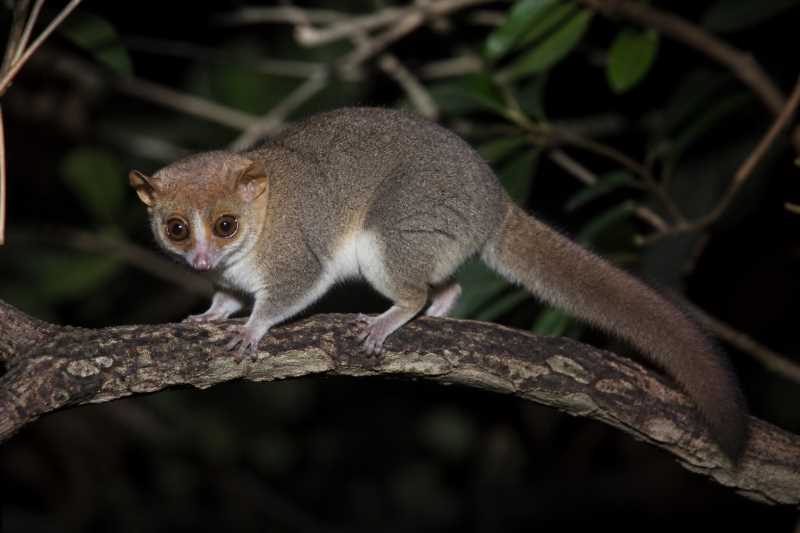
The Fat-tailed Dwarf Lemur is one of the smallest primates in the world, typically weighing between 120 and 150 grams. It measures approximately 19 to 22 centimeters in body length, with a tail that can be around 17 to 20 centimeters long. As its name suggests, this lemur has a distinctive thick tail where it stores fat, which is crucial for its survival during hibernation. Its fur is generally a soft gray-brown, although some individuals may exhibit a slightly reddish hue. The face of the Fat-tailed Dwarf Lemur is characterized by large, round eyes adapted for nocturnal vision, and a short, rounded muzzle.
Range and Habitat
Endemic to Madagascar, the Fat-tailed Dwarf Lemur predominantly inhabits the western and southern regions of the island, where dry deciduous forests are abundant. These forests provide the dense foliage and tree hollows necessary for the lemur’s nesting and hibernation. The lemur is also found in secondary forests and areas with less dense tree cover, demonstrating a degree of adaptability to habitat changes. However, its preference remains in areas that offer adequate food sources and shelter.
Behavior and Diet
The Fat-tailed Dwarf Lemur is primarily nocturnal and arboreal, spending much of its time in trees. It exhibits solitary behavior but may occasionally be seen in pairs or small family groups. Remarkably, this species is known for its hibernation habit, a rare trait among primates. During the dry season, when food is scarce, the lemur hibernates for several months, relying on fat reserves stored in its tail.
In terms of diet, the Fat-tailed Dwarf Lemur is omnivorous. It feeds on a variety of foods, including fruits, flowers, nectar, insects, and small vertebrates. Its diet can vary seasonally depending on the availability of resources.
Identification Tips (field recognition cues)
Identifying the Fat-tailed Dwarf Lemur in the wild involves several key characteristics:
- Size and Shape: Look for a small, compact body with a thick, bushy tail.
- Coloration: Its fur is generally a gray-brown color, with possible reddish tinges.
- Facial Features: Notice the large, reflective eyes and short muzzle.
- Behavior: Active at night, it may be spotted foraging or resting in tree hollows during the day.
Conservation Status (with threats and protections)
The Fat-tailed Dwarf Lemur is currently classified as "Least Concern" by the International Union for Conservation of Nature (IUCN). Despite this relatively secure status, the species faces several threats, primarily due to human activities. Habitat destruction from logging and agriculture, as well as hunting, pose significant risks to its survival.
Conservation efforts are underway to protect Madagascar’s unique biodiversity, including the Fat-tailed Dwarf Lemur. These efforts include habitat protection through the establishment of reserves and national parks, as well as community-based conservation initiatives that involve local populations in sustainable land management.
Frequently Asked Questions
1. How long does the Fat-tailed Dwarf Lemur hibernate?
The Fat-tailed Dwarf Lemur typically hibernates for about six to seven months, depending on environmental conditions and food availability. This hibernation period allows it to survive the dry season when food resources are scarce.
2. What adaptations help the Fat-tailed Dwarf Lemur survive hibernation?
The lemur’s ability to store fat in its tail is a crucial adaptation for survival during hibernation. This fat reserve provides the necessary energy to sustain the lemur when it is inactive and not eating.
3. Are Fat-tailed Dwarf Lemurs social animals?
While generally solitary, Fat-tailed Dwarf Lemurs can sometimes be observed in pairs or small family groups. They communicate through vocalizations and scent markings.
4. What is the primary diet of the Fat-tailed Dwarf Lemur?
This lemur is omnivorous, feeding on fruits, flowers, nectar, insects, and small vertebrates. Its diet varies seasonally based on the availability of food sources.
5. Where can I see Fat-tailed Dwarf Lemurs in the wild?
To observe these lemurs in their natural habitat, visit Madagascar’s dry deciduous forests, particularly in the western and southern regions where they are most commonly found.
Related posts