Variable Pocket Gopher (Heterogeomys heterodus): A Comprehensive Guide
Introduction
The Variable Pocket Gopher, scientifically known as Heterogeomys heterodus, is a fascinating mammalian species belonging to the family Geomyidae. Known for its solitary and subterranean lifestyle, this small mammal is an essential component of the ecosystems it inhabits. Although not as widely recognized as some of its rodent cousins, the Variable Pocket Gopher plays a crucial role in soil aeration and nutrient cycling, making it a subject of interest for ecologists and wildlife enthusiasts alike.
In this comprehensive article, we delve into the world of the Variable Pocket Gopher, exploring its physical characteristics, natural habitat, behaviors, and conservation status. Whether you’re a student, a researcher, or simply curious about this unique species, this guide offers valuable insights into the life and role of the Variable Pocket Gopher in its natural environment.
Physical Description
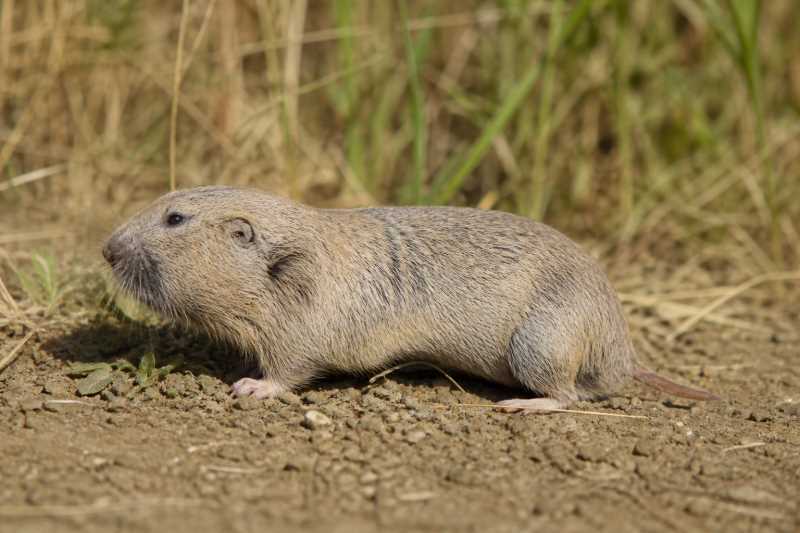
The Variable Pocket Gopher is a small to medium-sized mammal, typically measuring between 18 to 25 centimeters in length, with a weight ranging from 200 to 400 grams. Its most distinctive feature is its fur-lined cheek pouches, or "pockets," which it uses to carry food and nesting materials. These pouches extend from the side of the mouth to the shoulders and are unique to the gopher family.
The gopher’s body is stout and cylindrical, perfectly adapted for a life spent mostly underground. Its forelimbs are strong and equipped with long, curved claws designed for digging. The hind limbs are relatively shorter, aiding in propulsion through tunnels. The fur of the Variable Pocket Gopher is soft and dense, varying in color from grayish-brown to reddish-brown, which provides excellent camouflage against the soil.
The head of the Variable Pocket Gopher is broad, with small eyes and ears that help minimize the amount of dirt that enters while burrowing. Despite having poor eyesight, this species has a keen sense of touch and smell, which it uses to navigate its subterranean world.
Range and Habitat
The Variable Pocket Gopher is primarily found in Central America, with its range extending from southern Mexico to Costa Rica. It inhabits a variety of environments, including lowland forests, grasslands, and agricultural areas. The species is highly adaptable, able to thrive in both moist and dry soils, although it prefers loose, sandy soils that facilitate easier digging.
This gopher constructs complex burrow systems that serve multiple purposes, including nesting, food storage, and protection from predators. The burrows are typically 10 to 20 centimeters below the surface but can extend several meters in length, with multiple entrances and chambers.
Behavior and Diet
Variable Pocket Gophers are solitary animals, coming together only during the breeding season. They are territorial and mark their burrows with scent to ward off intruders. These gophers are primarily fossorial, spending the majority of their lives underground. Their activity peaks during the early morning and late afternoon, although they can be active at any time of the day.
The diet of the Variable Pocket Gopher consists mainly of roots, tubers, and other plant materials. They are herbivores, with a preference for succulent roots and bulbs, which they store in their cheek pouches and transport to their burrows. Occasionally, they may venture above ground to forage for leaves and stems.
Identification Tips (Field Recognition Cues)
Identifying the Variable Pocket Gopher in the field can be challenging due to its reclusive nature. However, there are several cues that can aid in recognition:
- Burrow Entrances: Look for crescent-shaped mounds of soil, which indicate the presence of a gopher burrow. These mounds are created as the gopher pushes soil to the surface.
- Cheek Pouches: If you manage to spot a gopher, note the distinctive fur-lined cheek pouches used for carrying food.
- Fur Coloration: Observe the fur coloration, which ranges from grayish-brown to reddish-brown, blending with the soil.
- Behavior: Gophers are often seen pushing soil out of their burrows or foraging near the entrance.
Conservation Status (with Threats and Protections)
The conservation status of the Variable Pocket Gopher is currently classified as "Least Concern" by the International Union for Conservation of Nature (IUCN). However, the species faces several threats that could impact its populations in the future.
Threats
- Habitat Loss: Rapid deforestation and land conversion for agriculture and urban development threaten the natural habitats of the Variable Pocket Gopher.
- Pesticides and Rodenticides: The use of chemicals in agriculture can lead to direct poisoning or reduce food availability for the gophers.
- Predation: Natural predators such as snakes, owls, and carnivorous mammals pose a constant threat to gophers.
Protections
Efforts to protect this species include habitat conservation and restoration projects, as well as promoting sustainable agricultural practices that minimize pesticide use. Education and awareness programs are also crucial in reducing human-wildlife conflicts and fostering coexistence.
Frequently Asked Questions
What is the lifespan of a Variable Pocket Gopher?
The lifespan of a Variable Pocket Gopher in the wild is typically 1 to 3 years. This relatively short lifespan is due to predation and environmental challenges.
How do Variable Pocket Gophers benefit the ecosystem?
Variable Pocket Gophers play an essential role in soil aeration and nutrient cycling. Their burrowing activities help to mix soil layers and promote plant growth, contributing to ecosystem health.
Are Variable Pocket Gophers social animals?
No, Variable Pocket Gophers are solitary animals. They prefer to live alone, except during the breeding season, and are territorial, often defending their burrows from intruders.
Can Variable Pocket Gophers be kept as pets?
While it is technically possible to keep a Variable Pocket Gopher as a pet, it is not recommended. These animals have specific habitat and dietary needs and are better suited to living in their natural environment.
What adaptations help Variable Pocket Gophers survive underground?
Variable Pocket Gophers have several adaptations for underground living, including strong forelimbs with long claws for digging, a cylindrical body shape, and a reduced eye size to minimize dirt entry. Their keen sense of touch and smell aids in navigation within their burrows.
Related posts