Introduction
The Northern Chinese Flying Squirrel, scientifically known as Aeretes melanopterus, is a captivating species that belongs to the family Sciuridae. This nocturnal mammal is renowned for its unique ability to glide between trees, a trait that distinguishes it from many other rodent species. As an integral part of the ecosystem, the Northern Chinese Flying Squirrel plays a crucial role in forest dynamics, particularly in seed dispersal and forest regeneration. This article delves into the various aspects of this intriguing species, providing insights into its physical characteristics, habitat preferences, behavior, dietary habits, and conservation status.
Physical Description
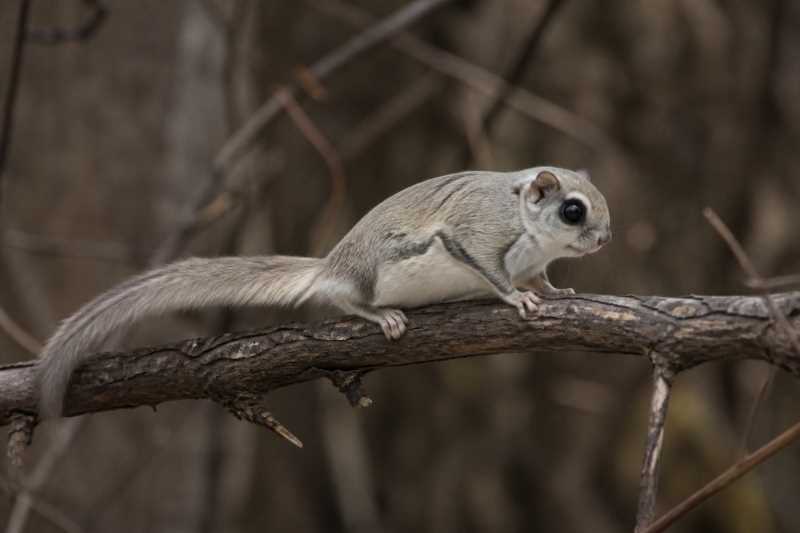
The Northern Chinese Flying Squirrel possesses a distinctive physical appearance that facilitates its gliding capabilities. It is medium-sized, with a body length ranging from 20 to 25 centimeters, and a tail that extends approximately 15 to 20 centimeters. The overall body weight can vary between 130 to 230 grams, depending on the age and health of the individual.
One of the most striking features of this species is its patagium—a specialized membrane of skin that stretches from the wrist to the ankle. This adaptation is what enables the squirrel to glide efficiently through the air, allowing it to cover distances of up to 100 meters between trees.
The fur of the Northern Chinese Flying Squirrel is typically dense and soft, providing insulation against the cold temperatures of its habitat. The dorsal side is usually a grayish-brown color, while the ventral side is lighter, often a creamy white. The tail is bushy, aiding in balance and steering during flight.
Range and Habitat
The Northern Chinese Flying Squirrel is commonly found in the deciduous and mixed forests of Northern China. Its range extends across several provinces, including Hebei, Shanxi, and Shaanxi. The species is also reported in parts of Inner Mongolia and occasionally in the bordering regions of Russia and Korea.
This squirrel favors habitats that offer abundant tree cover, providing both food sources and protection from predators. It is generally found in areas with mature trees that facilitate gliding and nesting. The presence of old-growth forests is crucial for the survival of this species, as these environments offer a wide range of nesting sites and food resources.
Behavior and Diet
As a nocturnal animal, the Northern Chinese Flying Squirrel is most active during the night. It spends a significant portion of its time gliding between trees, foraging for food, and avoiding predators. The species is known for its keen sense of navigation and ability to maneuver adeptly through the forest canopy.
The diet of the Northern Chinese Flying Squirrel primarily consists of seeds, nuts, fruits, and occasionally insects. It plays a vital role in seed dispersal, contributing to forest regeneration and biodiversity. The squirrel’s diet may vary seasonally, with a preference for nuts and seeds during the autumn and winter months, while fruits and insects become more prominent in the spring and summer.
Identification Tips (Field Recognition Cues)
Identifying the Northern Chinese Flying Squirrel in the field can be challenging due to its nocturnal habits and elusive nature. However, there are several cues that can aid in recognition:
- Gliding Behavior: Observing the squirrel’s unique gliding behavior between trees is a definitive identification marker.
- Patagium: The presence of a patagium, visible when the squirrel is in flight, distinguishes it from non-gliding species.
- Call: The species emits a distinctive, high-pitched call that can often be heard during its active hours at night.
- Habitat: Look for the squirrel in mature, dense forests with abundant tree cover.
- Tail: Its bushy tail is prominent and aids in identification, especially when the squirrel is stationary.
Conservation Status (With Threats and Protections)
The Northern Chinese Flying Squirrel is currently listed as Least Concern by the International Union for Conservation of Nature (IUCN). However, it faces several threats that could impact its population in the future.
Threats:
- Habitat Loss: Deforestation and land conversion for agriculture and urban development pose significant threats to its habitat.
- Climate Change: Alterations in climate patterns can affect the availability of food resources and suitable habitats.
- Predation: Increased predation from birds of prey and other predators can impact local populations.
Protections:
- Protected Areas: Many of the forests inhabited by the Northern Chinese Flying Squirrel are designated as protected areas, offering some level of habitat conservation.
- Conservation Programs: Ongoing conservation efforts aim to preserve old-growth forests and promote sustainable land-use practices.
- Research Initiatives: Continued research is essential to understand population dynamics and develop strategies for long-term conservation.
Frequently Asked Questions
1. What is the primary diet of the Northern Chinese Flying Squirrel?
The Northern Chinese Flying Squirrel primarily feeds on seeds, nuts, fruits, and insects, with its diet varying seasonally.
2. How far can a Northern Chinese Flying Squirrel glide?
This species can glide distances of up to 100 meters between trees, thanks to its specialized patagium.
3. Where can the Northern Chinese Flying Squirrel be found?
The Northern Chinese Flying Squirrel is found in the deciduous and mixed forests of Northern China, particularly in provinces like Hebei, Shanxi, and Shaanxi.
4. What threats does the Northern Chinese Flying Squirrel face?
Key threats include habitat loss due to deforestation, climate change, and increased predation from natural predators.
5. How can I identify a Northern Chinese Flying Squirrel in the wild?
Look for its unique gliding behavior, patagium, bushy tail, and listen for its high-pitched call during nighttime hours.
Related posts