Introduction
The Kafue mole-rat (Fukomys kafuensis) is an intriguing subterranean rodent species that belongs to the family Bathyergidae. Known for its burrowing lifestyle and unique social structure, the Kafue mole-rat is native to parts of Zambia, specifically in the Kafue River basin. It has garnered interest from researchers and conservationists due to its specialized adaptations to a life underground, as well as its complex social behaviors. This article delves into various aspects of the Kafue mole-rat, from its physical characteristics to its conservation status, providing an in-depth view of this fascinating creature.
Physical Description
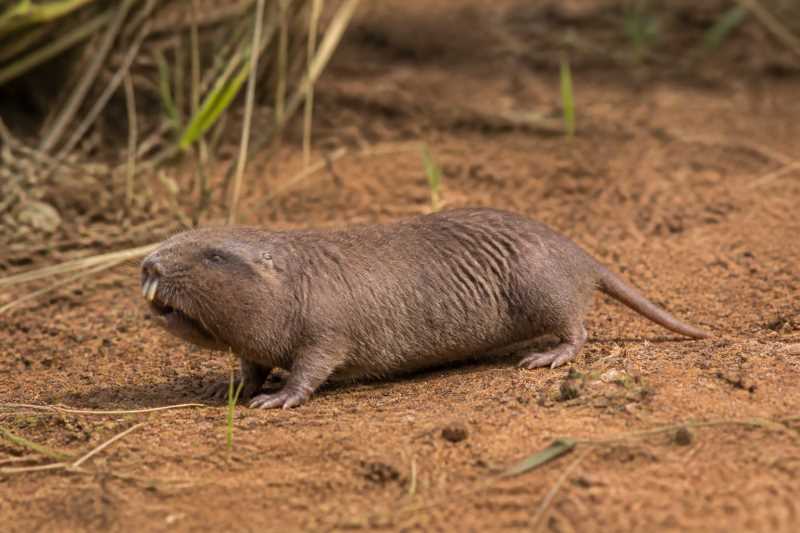
The Kafue mole-rat is a small mammal, typically ranging from 12 to 18 centimeters in length, with a weight between 100 to 200 grams. Its body is cylindrical and streamlined, an adaptation that facilitates its burrowing lifestyle. The skin is covered with a sparse coat of fine fur, usually with a grayish-brown hue, which helps camouflage it in its natural habitat.
One of the most distinctive features of the Kafue mole-rat is its large, protruding incisors, which are used for digging through soil and gnawing on roots. Unlike most rodents, these incisors grow continuously throughout their lives, requiring constant use to prevent overgrowth. Their eyes are small and not well-developed, reflecting their adaptation to a life spent mostly underground, where vision is less critical. Instead, they rely heavily on their tactile whiskers and acute sense of smell to navigate and locate food.
Range and Habitat
The geographic range of the Kafue mole-rat is relatively limited, confined to the Kafue River basin in Zambia. This area provides the ideal habitat for these burrowing rodents, characterized by loose, sandy soils that are easy to excavate. The region experiences distinct wet and dry seasons, influencing the availability of food and the burrowing behavior of these animals.
Kafue mole-rats construct extensive underground burrow systems, which can cover several square meters. These burrows serve multiple functions, including protection from predators, temperature regulation, and access to food sources. The mole-rats remain underground most of their lives and surface only occasionally, usually during the night or in cooler weather conditions.
Behavior and Diet
Kafue mole-rats are known for their eusocial behavior, a rare phenomenon among mammals. They live in colonies comprising a few to several dozen individuals, with a strict social hierarchy. The colony is typically led by a dominant breeding pair, while the rest of the group consists of non-breeding workers who assist with tasks such as foraging, burrow maintenance, and caring for the young.
Their diet mainly consists of underground plant materials, including roots, tubers, and rhizomes. The mole-rats are efficient foragers, utilizing their strong incisors and front claws to unearth food. They have adapted to store food in specialized chambers within their burrows, ensuring a stable food supply during times when foraging is not possible, such as during periods of heavy rainfall or drought.
Identification Tips (Field Recognition Cues)
Identifying the Kafue mole-rat in the field can be challenging due to its subterranean lifestyle. However, there are several cues that can assist observers:
- Burrow Entrances: Look for small, circular mounds of soil, which indicate the presence of burrow entrances or exits.
- Soil Disturbance: Areas with loose, freshly turned soil might suggest recent mole-rat activity.
- Vocalizations: Although rare, the Kafue mole-rat can produce soft, chirping sounds, especially during social interactions within the colony.
- Visual Sightings: On rare occasions, mole-rats may be seen above ground, particularly after heavy rains.
Conservation Status (with Threats and Protections)
The conservation status of the Kafue mole-rat is currently categorized as "Least Concern" by the International Union for Conservation of Nature (IUCN). However, it faces several potential threats that could impact its population in the future.
Threats:
- Habitat Destruction: Expansion of agriculture and urban development in the Kafue River basin may lead to habitat loss.
- Climate Change: Altered rainfall patterns could impact the availability of food resources and the suitability of the soil for burrowing.
- Predation: Natural predators, such as snakes and birds of prey, pose a threat, although the mole-rat’s subterranean lifestyle provides some protection.
Protections:
Current conservation efforts focus on habitat preservation and monitoring population trends. Continued research and collaboration with local communities are essential to ensure the long-term survival of this species.
Frequently Asked Questions
How do Kafue mole-rats communicate within their colonies?
Kafue mole-rats communicate primarily through vocalizations, such as soft chirps and grunts, as well as through tactile signals and scent marking. These communication methods are crucial for maintaining social structure and coordinating activities within the colony.
What adaptations allow Kafue mole-rats to live underground?
Kafue mole-rats have several adaptations for subterranean life, including strong incisors for digging, reduced eyesight, and a heightened sense of smell. Their cylindrical bodies and sparse fur also aid in maneuvering through narrow burrows.
Are Kafue mole-rats related to naked mole-rats?
Yes, Kafue mole-rats are related to naked mole-rats, as both are part of the family Bathyergidae. However, they belong to different genera and exhibit some distinct physiological and behavioral differences.
What is the role of non-breeding workers in a Kafue mole-rat colony?
Non-breeding workers play vital roles in Kafue mole-rat colonies by assisting with tasks such as foraging for food, maintaining the burrow system, and caring for the young. This division of labor is a hallmark of their eusocial structure.
How can conservation efforts help protect the Kafue mole-rat?
Conservation efforts can protect the Kafue mole-rat by preserving its natural habitat, promoting sustainable land use practices, and conducting research to better understand its ecological needs and population dynamics.
Related posts