Introduction
The Central American Rufous Tree-rat, scientifically known as Diplomys labilis, is a fascinating rodent species endemic to Central America. As a member of the Echimyidae family, this arboreal creature is known for its unique adaptations to tree-dwelling life in tropical forests. Despite its obscure status compared to more prominent mammals, the Rufous Tree-rat plays a critical role in its ecosystem, contributing to seed dispersal and forest dynamics.
Understanding the Rufous Tree-rat’s biology and ecology is essential for conservation efforts, particularly as their habitats face increasing threats from human activities. This article delves into the physical characteristics, habitat preferences, behavior, and conservation status of this enigmatic species, providing a comprehensive overview for wildlife enthusiasts, researchers, and conservationists alike.
Physical Description
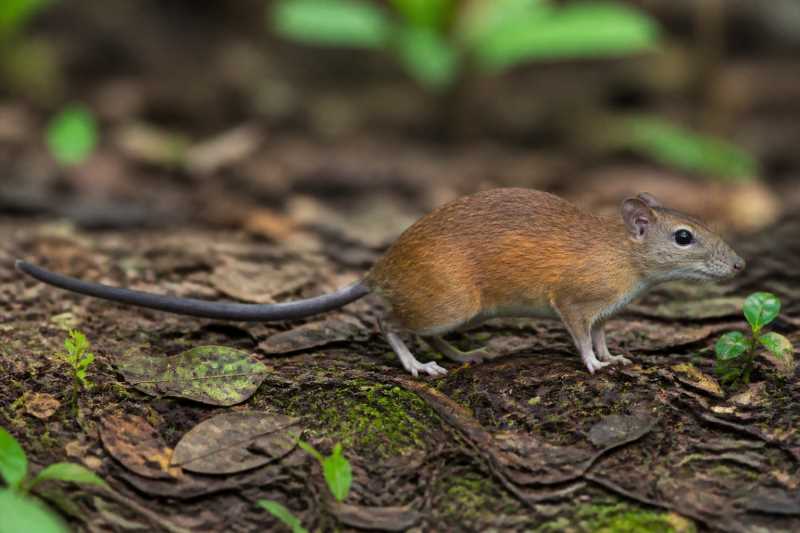
The Central American Rufous Tree-rat is a medium-sized rodent characterized by its distinctive rufous or reddish-brown fur, which provides excellent camouflage among the forest canopy. Its fur is dense and soft, offering protection against the elements and aiding in thermoregulation. The rat’s underparts are typically lighter in color, ranging from creamy white to pale gray, providing a stark contrast to its darker dorsal fur.
Adult Rufous Tree-rats typically measure between 20 to 25 centimeters in body length, with a tail almost equal to or slightly longer than the body. The tail is prehensile, aiding in balance and agility as the animal navigates the treetops. Their limbs are well-adapted for climbing, with strong, dexterous claws that allow them to grip branches securely.
Their facial features include large, dark eyes that are well-suited for nocturnal activity, providing excellent night vision. The ears are small and rounded, minimizing the risk of injury while moving through dense foliage. The overall morphology of the Rufous Tree-rat reflects its adaptation to an arboreal lifestyle, emphasizing agility and subtlety.
Range and Habitat
The Central American Rufous Tree-rat is primarily found in the lowland tropical rainforests of Central America, with its range extending from southern Mexico through Guatemala, Honduras, Nicaragua, Costa Rica, and into Panama. These habitats are characterized by high humidity, dense canopy cover, and a rich diversity of plant and animal life.
Preferring undisturbed primary forests, the Rufous Tree-rat thrives in areas with a complex vertical structure, which provides ample opportunities for foraging and nesting. However, they can also be found in secondary forests and plantations, as long as sufficient tree cover and food resources are available. Their ability to adapt to different forest types indicates a degree of ecological flexibility, although they are most abundant in pristine, old-growth forests.
Behavior and Diet
The Central American Rufous Tree-rat is primarily nocturnal, spending the majority of its active hours foraging at night. This nocturnal behavior reduces competition with diurnal species and minimizes predation risks. They are solitary animals, with individuals maintaining and defending distinct territories.
Their diet is predominantly herbivorous, consisting of fruits, seeds, leaves, and occasionally flowers. They play a vital role in seed dispersal, as uneaten seeds are often deposited in new locations, promoting forest regeneration. The Rufous Tree-rat’s foraging habits are influenced by seasonal availability, with a preference for fruits rich in sugars and fats, which provide the necessary energy for their high metabolic demands.
Nesting occurs in tree hollows or constructed nests made from twigs, leaves, and other plant materials. These nests are strategically located to offer protection from predators and environmental elements. Breeding occurs throughout the year, with litters typically consisting of two to four young.
Identification Tips (field recognition cues)
Identifying the Central American Rufous Tree-rat in the field can be challenging due to its elusive nature and arboreal habits. However, several key characteristics can aid in recognition:
- Fur Coloration: Look for the distinctive rufous or reddish-brown fur on the back, contrasting with lighter underparts.
- Tail: Note the prehensile tail, which is often used for balance and gripping branches.
- Size: Observe the medium body size, approximately 20 to 25 centimeters in length, with a proportionate tail.
- Activity Period: Watch for activity during nighttime hours, as they are primarily nocturnal.
- Habitat: Search in dense, canopy-rich forests where they are most likely to be found.
Conservation Status (with threats and protections)
The conservation status of the Central American Rufous Tree-rat is currently listed as "Least Concern" by the International Union for Conservation of Nature (IUCN). However, this does not imply that the species is free from threats. The primary threat to their survival is habitat destruction due to deforestation, agricultural expansion, and urban development.
Loss of habitat not only reduces the availability of food and nesting sites but also increases the risk of predation as these rodents are forced to venture into open areas. Additionally, climate change poses a long-term threat by altering the distribution and composition of tropical forests.
Conservation efforts for the Rufous Tree-rat focus on habitat preservation and restoration. Protecting large tracts of primary forest is crucial, as well as establishing corridors that connect fragmented habitats. Community-based conservation initiatives and sustainable land-use practices are also vital in mitigating the impacts of human activity.
Frequently Asked Questions
What is the Central American Rufous Tree-rat’s role in the ecosystem?
The Rufous Tree-rat plays a critical role as a seed disperser, aiding in forest regeneration. By consuming and transporting seeds, they contribute to plant diversity and forest structure.
How can you differentiate a Rufous Tree-rat from other rodents?
The Rufous Tree-rat can be distinguished by its rufous-colored fur, prehensile tail, and nocturnal behavior. Its arboreal lifestyle and habitat preferences also set it apart from terrestrial rodents.
Are Rufous Tree-rats endangered?
Currently, the Rufous Tree-rat is not considered endangered but faces threats from habitat loss. Conservation measures are necessary to ensure their long-term survival.
What are the key threats to the Rufous Tree-rat population?
The primary threats include deforestation, habitat fragmentation, and climate change, all of which can lead to reduced habitat quality and availability.
How do Rufous Tree-rats adapt to their arboreal environment?
Their adaptations include a prehensile tail for balance, strong claws for climbing, and nocturnal habits to avoid competition and predation.
Related posts