Little Indian Field Mouse: A Comprehensive Guide
Introduction
The Little Indian Field Mouse, scientifically known as Mus booduga, is a small rodent species prevalent across the Indian subcontinent. As a member of the Muridae family, this species plays a crucial role in its ecosystem, contributing to both the food chain and soil aeration through its burrowing habits. This article delves into various aspects of the Little Indian Field Mouse’s life, including its physical characteristics, habitat, behavior, and conservation status, offering valuable insights for researchers, wildlife enthusiasts, and conservationists.
Physical Description
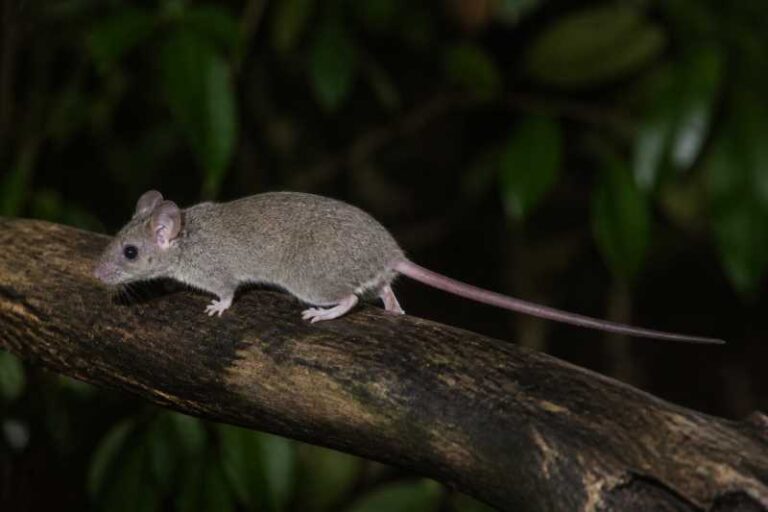
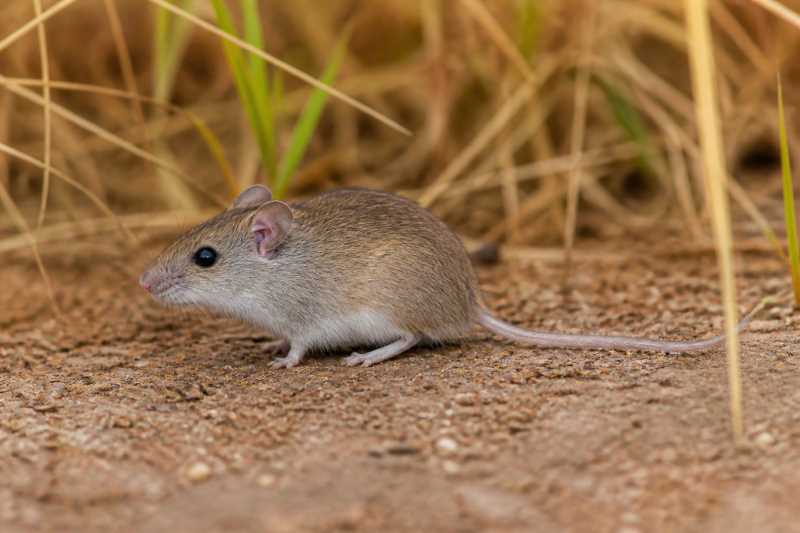
The Little Indian Field Mouse is a diminutive rodent, typically measuring between 6 to 8 centimeters in body length, with a tail that ranges from 5 to 8 centimeters. It weighs approximately 10 to 12 grams. Its fur is generally a grayish-brown color, providing effective camouflage against the soil and vegetation in its habitat. The underbelly is lighter, often appearing whitish or pale gray. The ears are relatively large and rounded, while its eyes are black and bead-like, adapted for nocturnal activity. The tail is sparsely haired and serves as a balancing tool during movement.
Range and Habitat
The Little Indian Field Mouse is native to the Indian subcontinent, including India, Sri Lanka, Nepal, Bangladesh, and parts of Pakistan. It thrives in a variety of habitats, ranging from grasslands and agricultural fields to forested areas and urban environments. This adaptability to diverse habitats is one reason for its extensive range. The species prefers areas with loose soil which facilitates burrowing, and it often inhabits fields and gardens where it can find abundant food resources.
Behavior and Diet
Primarily nocturnal, the Little Indian Field Mouse is most active during the night when it forages for food. Its diet is omnivorous, consisting mainly of seeds, grains, fruits, and occasionally insects. The species is known for its food-hoarding behavior, often storing food in its burrow for consumption during scarce periods. Socially, these mice are generally solitary, except during the breeding season when males and females come together to mate. Breeding occurs throughout the year, with females capable of producing multiple litters annually, each comprising 3-6 young.
Identification Tips (Field Recognition Cues)
Identifying the Little Indian Field Mouse in the field involves observing several key characteristics:
- Size and Proportion: Look for a small rodent with a body length of 6-8 cm and a tail almost equal in length.
- Coloration: Note the grayish-brown fur with a lighter underbelly, which can help in distinguishing this species from others.
- Ears and Eyes: The relatively large ears and small, black eyes are distinctive features.
- Habitat: Consider the environment; if you’re in a grassland, agricultural field, or urban garden, you may likely encounter this species.
Conservation Status (with Threats and Protections)
The Little Indian Field Mouse is currently classified as "Least Concern" by the IUCN Red List, owing to its wide distribution and large population. However, it faces several threats that could impact its population, including habitat destruction due to agricultural expansion, urbanization, and pesticide use. Conservation efforts primarily focus on habitat preservation and reducing pesticide reliance to maintain ecological balance. Public awareness and community-driven conservation programs also play a vital role in protecting this species.
Frequently Asked Questions
What is the lifespan of the Little Indian Field Mouse?
The Little Indian Field Mouse typically lives for about 1 to 2 years in the wild, though some may live longer under optimal conditions.
How does the Little Indian Field Mouse contribute to its ecosystem?
This mouse species aids in seed dispersion and soil aeration through its burrowing activities, which can enhance plant growth and soil health.
Are Little Indian Field Mice harmful to crops?
While they can cause some damage to crops by feeding on seeds and grains, they also help control insect populations, providing a balanced ecological role.
Can Little Indian Field Mice be kept as pets?
While it is possible to keep them as pets, they are wild animals and may not adapt well to captivity compared to domesticated species.
What adaptations help the Little Indian Field Mouse survive in its habitat?
Key adaptations include nocturnal habits to avoid predators, burrowing skills for shelter, and a varied diet that allows flexibility in food sources.
Related posts