Introduction
The Cayman Hutia (Geocapromys caymanensis), a fascinating rodent species, is an integral part of the Caribbean’s unique biodiversity. Endemic to the Cayman Islands, this elusive mammal plays a crucial role in its ecosystem. The Cayman Hutia is known for its adaptability to various habitats, making it a subject of interest for researchers and conservationists alike. In this article, we will delve into the many facets of this intriguing species, from its physical characteristics to its dietary habits, habitat preferences, and conservation challenges.
Physical Description
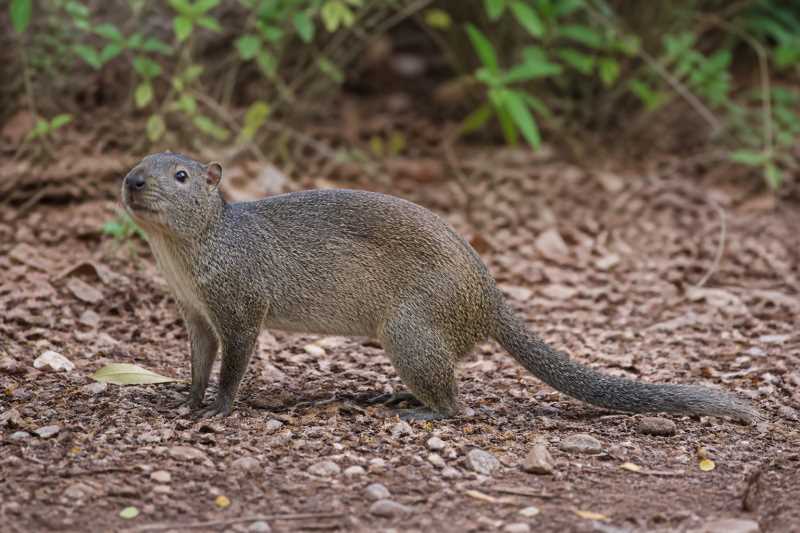
The Cayman Hutia is a medium-sized rodent, typically weighing between 0.8 to 2 kg (1.8 to 4.4 lbs). Its body length ranges from 30 to 45 cm (12 to 18 inches), with a tail that adds an additional 5 to 10 cm (2 to 4 inches). This mammal has a robust and sturdy build, with short limbs and a rounded body that aids in its terrestrial lifestyle.
One of the most distinctive features of the Cayman Hutia is its dense, coarse fur, which varies in color from brown to grey. This coloration provides excellent camouflage against the forest floor and rocky terrain of its natural habitat. The hutia’s eyes are relatively small, while its ears are rounded, both of which are adaptive traits for its nocturnal lifestyle. Its incisor teeth are prominent and continuously growing, a characteristic common among rodents, which it uses effectively for gnawing on a variety of plant materials.
Range and Habitat
The Cayman Hutia is native exclusively to the Cayman Islands, primarily found on Grand Cayman, Little Cayman, and Cayman Brac. Its habitat ranges from dry, rocky coastal areas to forested inland regions. These mammals have shown a remarkable ability to adapt to various environmental conditions, occupying areas with dense shrubbery, mangrove swamps, and even agricultural lands.
Historically, the distribution of Cayman Hutias was more widespread across the islands, but habitat destruction and human activities have significantly altered their range. Despite these challenges, they continue to persist in fragmented populations, often in protected areas and reserves where conservation efforts are in place.
Behavior and Diet
Cayman Hutias are primarily nocturnal creatures, although they may occasionally be active during the day, especially in undisturbed areas. Their nocturnal habits help them avoid predators and the heat of the day. They are social animals, often found in small family groups, although solitary individuals are not uncommon.
The diet of the Cayman Hutia is predominantly herbivorous. They feed on a wide variety of plant materials including leaves, fruits, bark, and twigs. This diverse diet allows them to thrive in different habitats, as they can exploit a range of food sources. Occasionally, they may also consume small invertebrates, but this is not a significant part of their diet.
Identification Tips (Field Recognition Cues)
Identifying a Cayman Hutia in the wild can be challenging due to their elusive nature. However, several field recognition cues can aid observers:
- Size and Shape: Look for a medium-sized rodent with a robust, rounded body and short limbs.
- Fur Coloration: Their fur is typically brown to grey, providing camouflage in their natural habitat.
- Nocturnal Activity: They are more likely to be seen at night or during dawn and dusk.
- Habitat Preference: Search for them in forested areas or near mangroves and rocky coastal regions.
- Vocalizations: Listen for their soft, low-pitched vocalizations, which they use for communication within groups.
Conservation Status (With Threats and Protections)
The Cayman Hutia is currently classified as Near Threatened by the International Union for Conservation of Nature (IUCN). The primary threats to their survival include habitat loss due to development, predation by introduced species such as cats and dogs, and competition for food resources.
Conservation efforts are underway to protect the Cayman Hutia’s remaining habitats and populations. These include the establishment of protected areas and reserves, as well as public awareness campaigns to reduce human impact on their environments. Additionally, there are breeding programs aimed at boosting their numbers and ensuring genetic diversity.
Efforts to control invasive species populations are also critical to the hutia’s conservation. These initiatives help mitigate the predation pressure on these native rodents, allowing them to maintain stable populations in their natural habitats.
Frequently Asked Questions
What do Cayman Hutias eat?
Cayman Hutias primarily consume a herbivorous diet consisting of leaves, fruits, bark, and twigs. They are adaptable feeders, which allows them to thrive in various habitats across the Cayman Islands.
Are Cayman Hutias nocturnal?
Yes, Cayman Hutias are primarily nocturnal. They are most active during the night and early morning hours, although they may occasionally be seen during the day in less disturbed areas.
Where can I see Cayman Hutias?
Cayman Hutias can be observed in their natural habitats on the Cayman Islands, particularly in protected areas and reserves where conservation efforts are in place to preserve their populations.
What threats do Cayman Hutias face?
The main threats to Cayman Hutias include habitat loss due to development, predation by introduced species such as cats and dogs, and competition for food resources.
How are Cayman Hutias being protected?
Conservation efforts for Cayman Hutias include the establishment of protected areas, habitat restoration projects, public awareness campaigns, and breeding programs to enhance their populations and genetic diversity.
Related posts