The Brown-backed Woodpecker: A Detailed Insight into Dendropicos obsoletus
The Brown-backed Woodpecker, scientifically known as Dendropicos obsoletus, is a fascinating avian species that inhabits diverse regions across Sub-Saharan Africa. This article aims to delve into the distinct characteristics, habitat preferences, behavior, and conservation status of this intriguing bird, providing a comprehensive understanding for ornithologists and bird enthusiasts alike.
Taxonomy and Physical Description
The Brown-backed Woodpecker belongs to the family Picidae, which encompasses a variety of woodpecker species known for their strong beaks and distinctive drumming behavior. The species name, obsoletus, hints at a subtlety in its plumage, often described as understated compared to its more vividly colored relatives.
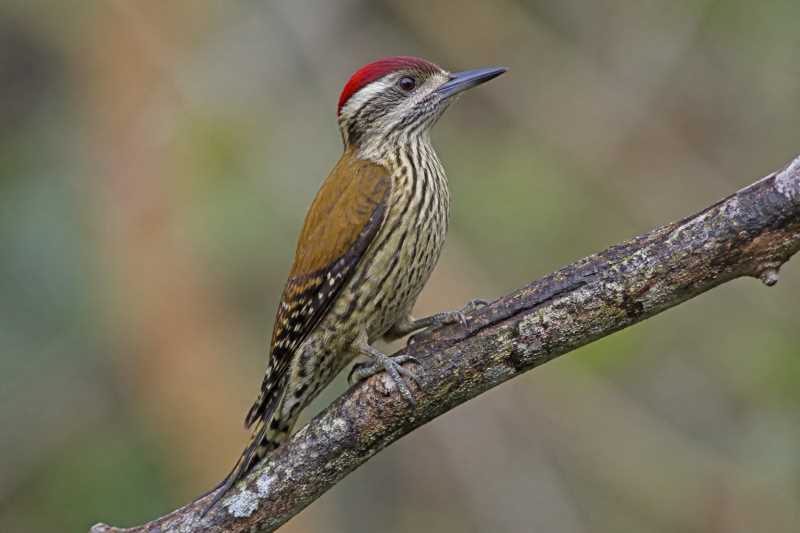
Physically, the Brown-backed Woodpecker is characterized by its medium size, typically ranging from 15 to 18 centimeters in length. Its plumage is predominantly brown, with a slightly lighter or buffy underside. The back is marked with subtle barring or spots, which provides excellent camouflage against the bark of trees. Males can be distinguished by a red patch on the nape, absent in females and juveniles. This sexual dimorphism is common among woodpeckers, aiding in mate selection and territorial displays.
Habitat and Distribution
Dendropicos obsoletus is widely distributed throughout Sub-Saharan Africa, with populations recorded in countries such as Nigeria, Uganda, Kenya, and Angola. It predominantly inhabits open woodlands, savannas, and forest edges. The species shows a marked preference for areas with a mix of trees and open spaces, providing ample opportunity for foraging and nesting.
The Brown-backed Woodpecker is an adaptable bird, capable of thriving in both primary and secondary forests. Its presence is often an indicator of healthy forest ecosystems, as it contributes to controlling insect populations and aiding in seed dispersal through its foraging activities.
Behavior and Ecology
A notable behavior of the Brown-backed Woodpecker is its foraging technique, which involves pecking and probing tree bark to extract insects and larvae. This method not only provides nourishment but also plays a crucial role in maintaining tree health by controlling pest populations.
The species is primarily insectivorous, with a diet consisting of ants, beetles, and other small invertebrates. However, it occasionally supplements its diet with fruits and seeds, especially during periods when insects are less abundant.
Socially, the Brown-backed Woodpecker is relatively solitary, although it may be observed in pairs during the breeding season. Its vocalizations are a mix of soft calls and the characteristic drumming associated with woodpeckers, used for communication and territorial defense.
Breeding and Nesting
The breeding season for Dendropicos obsoletus varies depending on geographical location but generally occurs during the warmer months when food resources are plentiful. The species is monogamous, with pairs often forming long-term bonds.
Nesting occurs in tree cavities, which the woodpecker excavates itself. This behavior not only provides a secure environment for raising chicks but also contributes to the ecosystem by creating potential nesting sites for other cavity-nesting species.
The female typically lays between two to four eggs, which both parents incubate. After hatching, both male and female share responsibilities in feeding and caring for the young until they fledge and become independent.
Conservation Status and Threats
Currently, the Brown-backed Woodpecker is classified as a species of Least Concern by the International Union for Conservation of Nature (IUCN). This status is attributed to its wide distribution and relatively stable population numbers.
However, like many forest-dependent species, the Brown-backed Woodpecker faces threats from habitat loss due to deforestation, agricultural expansion, and urban development. Conservation efforts focused on preserving natural habitats and promoting sustainable land-use practices are essential to ensure the long-term survival of this species.
Conclusion
The Brown-backed Woodpecker is a remarkable example of avian adaptation and ecological importance. Its presence in diverse African landscapes highlights the intricate balance of ecosystems and the vital role birds play in maintaining environmental health. As we continue to explore and understand the complexities of avian life, species like Dendropicos obsoletus remind us of the beauty and intricacy of nature that surrounds us.
Ongoing research and conservation initiatives are crucial to safeguarding the future of the Brown-backed Woodpecker and its habitat. By raising awareness and promoting sustainable practices, we can contribute to the preservation of biodiversity for generations to come.
Related posts