Introduction
The Bolivian Bamboo Rat, scientifically known as Dactylomys boliviensis, is a fascinating mammal species indigenous to South America. As a member of the Echimyidae family, this unique rodent plays a crucial role in its ecosystem. Despite its ecological importance, the Bolivian Bamboo Rat remains relatively obscure in the broader context of mammalian studies. This article aims to shed light on various aspects of this intriguing species, from its physical characteristics to its habitat, behavior, and conservation status.
Physical Description
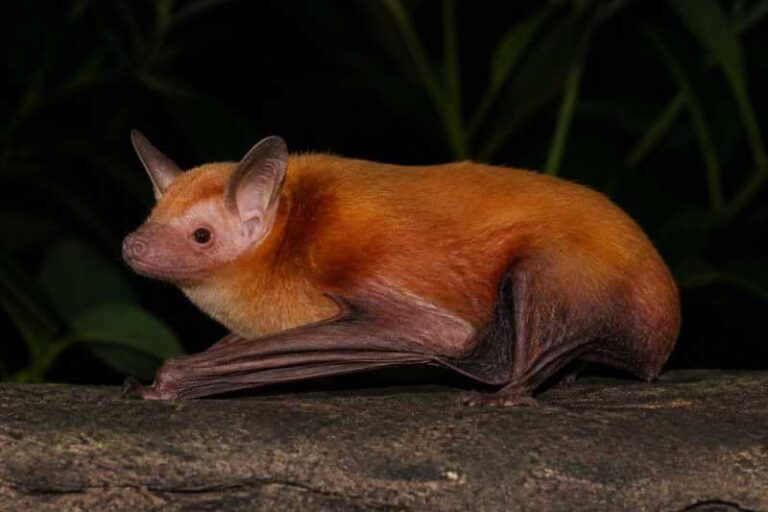
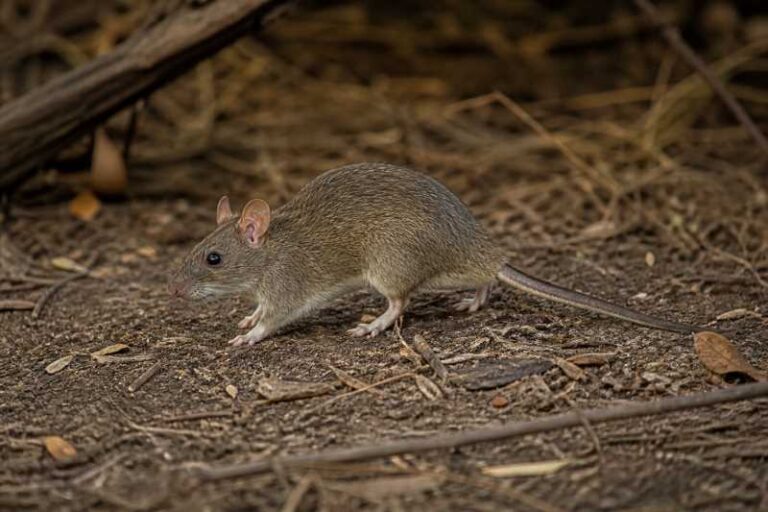
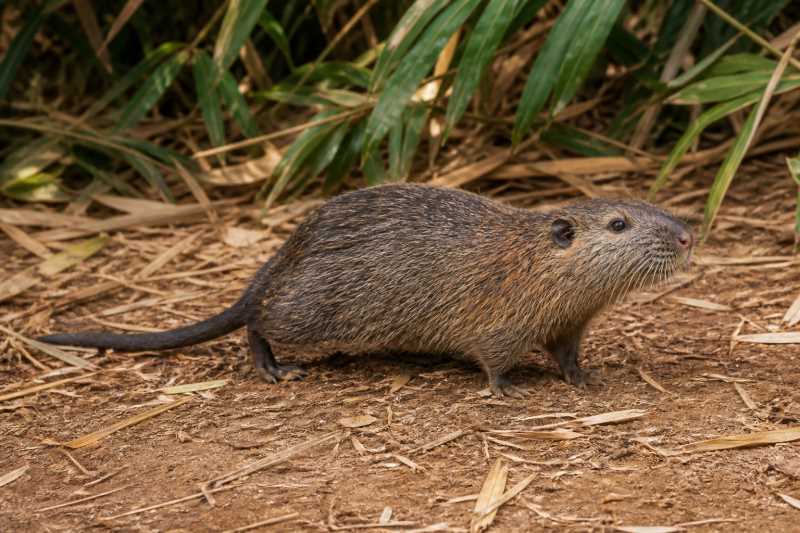
The Bolivian Bamboo Rat is a medium-sized rodent with a robust body, designed to navigate the dense bamboo forests it calls home. Adult rats typically weigh between 500 to 900 grams and measure 30 to 40 centimeters in body length, with an additional 20 to 30 centimeters for the tail. Their fur is predominantly gray or brown, providing excellent camouflage against the forest floor and bamboo stalks. One of their most distinctive features is their long, sharp claws, which aid in climbing and foraging.
The rat’s head is relatively small compared to its body, with large, round ears that are highly sensitive to its environment. Its eyes are adapted for nocturnal activity, providing keen night vision. The tail, covered in short hair, is prehensile, allowing the rat to grasp and stabilize itself while moving through the forest canopy.
Range and Habitat
The Bolivian Bamboo Rat is endemic to the tropical and subtropical forests of Bolivia. Its primary habitat includes dense bamboo thickets, which provide both shelter and food. These rats are also found in parts of Peru and Brazil, but their population density is highest in Bolivia.
Their preferred habitats are characterized by high humidity and dense vegetation, which offer protection from predators and harsh weather. These environments are typically located at altitudes ranging from 300 to 1,500 meters above sea level. The presence of bamboo is a critical factor in their habitat selection, given their reliance on it for both food and shelter.
Behavior and Diet
The Bolivian Bamboo Rat is primarily nocturnal, with most of its activities occurring at night. These rodents are solitary creatures, coming together only during the breeding season. They are arboreal, spending a significant amount of time in trees and bamboo stalks.
Their diet consists mainly of bamboo shoots and leaves, which provide the necessary nutrients and moisture. Occasionally, they may supplement their diet with fruits, seeds, and insects. Their strong, chisel-like incisors are adapted to gnaw through tough bamboo fibers, making them well-suited to their primary food source.
Social interactions are limited, with individuals marking their territory through scent markings and vocalizations. Communication is crucial during mating season, where males emit calls to attract females.
Identification Tips (field recognition cues)
Identifying the Bolivian Bamboo Rat in the wild can be challenging due to its elusive nature and habitat. However, there are several field recognition cues:
- Habitat Association: Look for them in areas densely populated with bamboo.
- Nocturnal Activity: They are most active after dark, so nighttime observations are more likely.
- Distinctive Calls: Listen for their unique vocalizations, especially during the breeding season.
- Physical Features: Note their gray-brown fur, large ears, and prehensile tails.
Conservation Status (with threats and protections)
The Bolivian Bamboo Rat is currently classified as Least Concern by the International Union for Conservation of Nature (IUCN). However, their populations face threats from habitat destruction and deforestation, primarily due to agricultural expansion and logging.
Conservation efforts are focused on habitat protection and sustainable land-use practices. The establishment of protected areas in Bolivia has helped safeguard some of their natural habitats. Moreover, ongoing research aims to provide better insights into their ecology and promote awareness about their conservation needs.
Frequently Asked Questions
1. What do Bolivian Bamboo Rats eat? Bolivian Bamboo Rats primarily feed on bamboo shoots and leaves. They occasionally consume fruits, seeds, and insects to supplement their diet.
2. Where can Bolivian Bamboo Rats be found? These rats are primarily found in the tropical and subtropical forests of Bolivia, with some populations in Peru and Brazil, particularly in bamboo-rich areas.
3. Are Bolivian Bamboo Rats endangered? No, they are currently classified as Least Concern by the IUCN, although they face threats from habitat destruction.
4. How do Bolivian Bamboo Rats communicate? They use vocalizations and scent markings to communicate, especially during the breeding season.
5. What are the main threats to Bolivian Bamboo Rats? The primary threats include habitat destruction due to agricultural expansion and logging activities.
Related posts