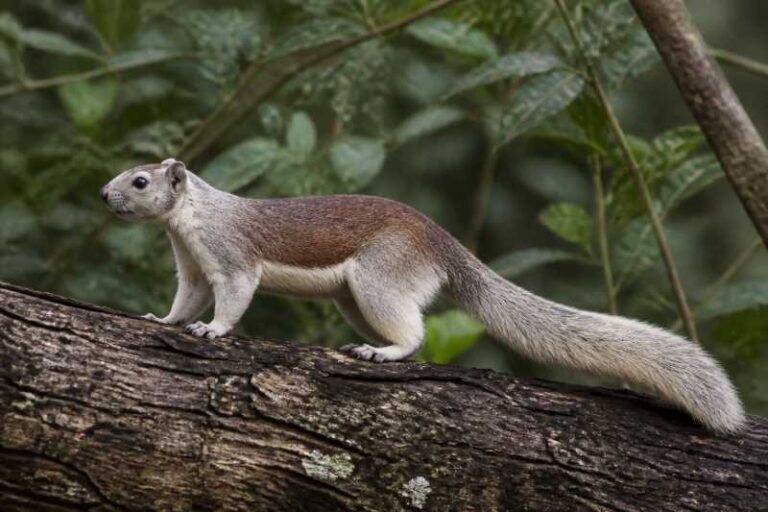
Paraguayan Fat-tailed Opossum (Thylamys macrurus)
Introduction
The Paraguayan Fat-tailed Opossum, scientifically known as Thylamys macrurus, is a fascinating marsupial native to the diverse ecosystems of South America. Known for its distinctively ample tail, which serves as a critical fat storage organ, this opossum plays a unique role in its habitat. As part of the Didelphidae family, the Paraguayan Fat-tailed Opossum is an intriguing subject of study for biologists and wildlife enthusiasts alike, contributing significantly to the biodiversity of its native regions.
Physical Description
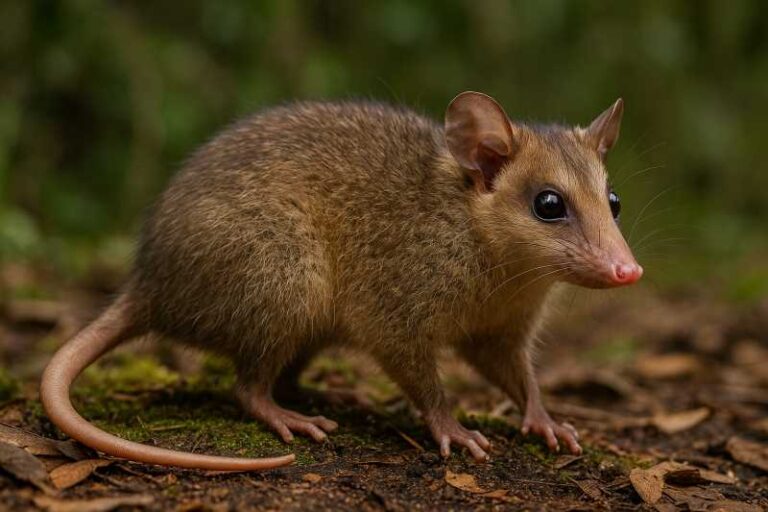
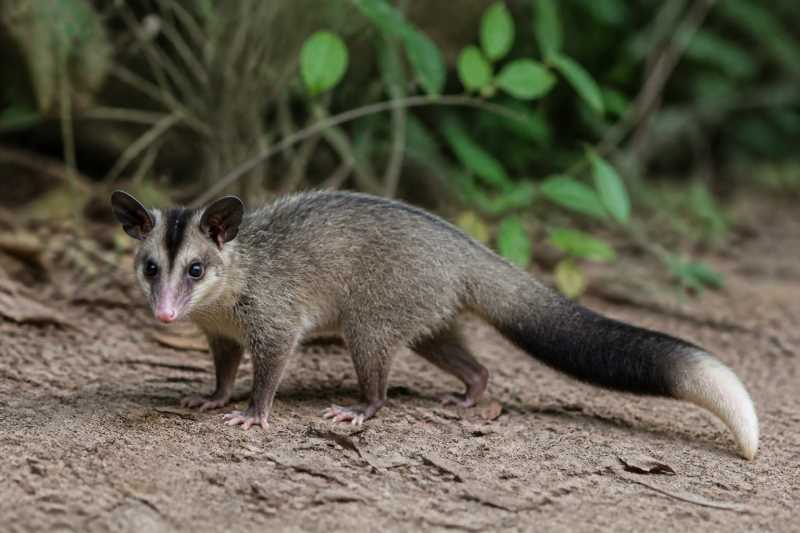
The Paraguayan Fat-tailed Opossum is a small to medium-sized marsupial with a body length ranging from 10 to 15 centimeters, excluding the tail, which adds another 11 to 14 centimeters. Its most notable feature is its tail, which is used for storing fat, providing a critical energy reserve during periods of food scarcity. The tail is cylindrical and can appear thickened when fat reserves are high.
The opossum’s fur is soft and dense, with a general coloration of grayish-brown on the dorsal side and a lighter, often whitish, hue on the ventral side. Its face is characterized by a pointed snout with long whiskers, and its large, round ears are adept at detecting sounds. The eyes are relatively large, adapted for its nocturnal lifestyle, and often reflect a reddish glow when illuminated at night.
Range and Habitat
The Paraguayan Fat-tailed Opossum is primarily found in the central and eastern regions of South America, including Paraguay, parts of Brazil, and northeastern Argentina. It inhabits a range of environments, from tropical and subtropical forests to savannas and shrublands. These versatile marsupials can adapt to various elevations, though they are predominantly found at lower altitudes.
Their habitat selection is influenced by the availability of food and shelter. They are known to occupy areas with dense underbrush, which provides cover from predators and an abundant supply of insects and fruits, their primary food sources. The presence of trees and shrubs is crucial as they are adept climbers, often nesting in tree hollows or among dense vegetation.
Behavior and Diet
The Paraguayan Fat-tailed Opossum is primarily nocturnal, emerging at night to forage for food. Its diet is omnivorous, consisting mainly of insects, small vertebrates, fruits, and sometimes nectar. This diverse diet allows the opossum to adapt to seasonal variations in food availability, a vital survival trait in its dynamic habitat.
These opossums are solitary animals, with interactions between individuals mainly occurring during the breeding season. They communicate through vocalizations and scent markings, which help establish territory and attract mates. The breeding season varies but often coincides with periods of abundant food supply, ensuring that the young have a higher chance of survival.
Identification Tips
Field identification of the Paraguayan Fat-tailed Opossum can be challenging due to its nocturnal habits and elusive nature. However, several key characteristics can aid in its recognition:
- Tail: Look for the characteristically thickened tail, which distinguishes it from other small opossums.
- Size and Shape: Note its small to medium size with a compact body and relatively long tail.
- Fur Color: The grayish-brown dorsal fur and lighter ventral fur can help differentiate it from other species.
- Facial Features: The pointed snout, large ears, and prominent eyes are distinctive traits.
- Behavior: Observing its climbing ability and nocturnal activity can also assist in identification.
Conservation Status
The Paraguayan Fat-tailed Opossum is currently listed as "Least Concern" by the International Union for Conservation of Nature (IUCN). However, its populations face several threats that could impact their numbers in the future. Habitat destruction due to agricultural expansion, logging, and urbanization poses significant risks. These activities reduce available habitat and food sources, forcing opossums to relocate or face starvation.
Predation by domestic animals, such as cats and dogs, is another threat, particularly in areas close to human settlements. Additionally, climate change poses a long-term threat by altering the habitats and food availability for these marsupials.
Conservation efforts include habitat protection and restoration, alongside awareness campaigns to reduce human-wildlife conflict. Legal protections in some regions help mitigate habitat destruction, although enforcement can be challenging.
Frequently Asked Questions
What is the primary diet of the Paraguayan Fat-tailed Opossum?
The Paraguayan Fat-tailed Opossum is omnivorous, primarily consuming insects, small vertebrates, and fruits. This diverse diet allows it to adapt to varying food availability throughout the year.
How does the fat storage in the tail benefit the opossum?
The tail of the Paraguayan Fat-tailed Opossum stores fat, which serves as an energy reserve during periods of food scarcity. This adaptation is crucial for survival in habitats where food supply can be unpredictable.
What are the main threats to the Paraguayan Fat-tailed Opossum?
The main threats include habitat destruction due to human activities, predation by domestic animals, and the impacts of climate change. Conservation efforts focus on habitat protection and reducing human-wildlife conflict.
How can I identify a Paraguayan Fat-tailed Opossum in the wild?
Identifying this opossum involves looking for its distinctively thickened tail, small-to-medium size, grayish-brown and white fur, and nocturnal behavior. Observing these characteristics can aid in recognition.
Where can the Paraguayan Fat-tailed Opossum be found?
This species is native to central and eastern South America, particularly in Paraguay, parts of Brazil, and northeastern Argentina. It inhabits various ecosystems, including forests and shrublands.
Related posts