Southern Savanna Gerbil: A Comprehensive Guide
Introduction
The Southern Savanna Gerbil, scientifically known as Gerbilliscus validus, is a fascinating mammal species that inhabits the vast savannas of Africa. As a member of the Gerbillinae subfamily, these rodents are adapted to thrive in the challenging environments of the African savanna, exhibiting unique behaviors and physical characteristics that enable them to survive and flourish. In this article, we will delve into the various aspects of the Southern Savanna Gerbil, including its physical description, habitat preferences, behavioral patterns, and conservation status. Additionally, we will provide identification tips for those interested in observing these remarkable creatures in the wild.
Physical Description
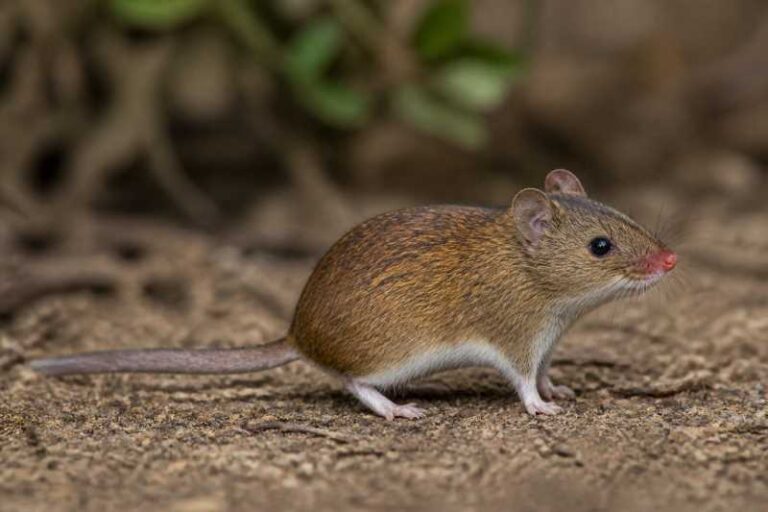
The Southern Savanna Gerbil is a medium-sized rodent, typically measuring between 12 to 15 centimeters in body length, with a tail extending an additional 10 to 14 centimeters. This species exhibits sexual dimorphism, with males generally being slightly larger than females. Their fur is soft and dense, predominantly sandy brown in color, which provides excellent camouflage against the savanna grasslands. The underbelly is usually lighter, often displaying a creamy white hue.
One of the most distinctive features of the Southern Savanna Gerbil is its elongated hind legs, which are adapted for jumping and provide a means of swift escape from predators. Their large, round ears are another notable characteristic, enabling acute hearing to detect both predators and prey. These gerbils also have prominent, dark eyes that are well-adapted for nocturnal activity.
Range and Habitat
The Southern Savanna Gerbil is predominantly found in the southern regions of Africa, with its range extending across countries such as Tanzania, Mozambique, Zimbabwe, and parts of South Africa. This species is highly adaptable and can be found in a variety of habitats within the savanna biome, including grasslands, shrublands, and even agricultural areas.
These gerbils thrive in areas with loose, sandy soils that facilitate their burrowing behavior. Burrows provide shelter from extreme temperatures and predators, and are typically constructed in areas with ample vegetation cover. The availability of food resources, such as seeds and insects, also influences their habitat selection.
Behavior and Diet
Southern Savanna Gerbils are primarily nocturnal, spending the majority of daylight hours within the safety of their burrows. At night, they emerge to forage for food, displaying a diet that is both omnivorous and opportunistic. Their diet mainly consists of seeds, grains, and grasses, but they will also consume insects, small invertebrates, and occasionally plant matter such as fruits and roots.
These gerbils are solitary creatures, with individuals maintaining and defending their own territories. Communication between individuals is achieved through scent marking and vocalizations, including high-pitched squeaks and chirps. During the breeding season, which typically coincides with the wet season when food is abundant, males may become more aggressive as they compete for mates.
Identification Tips (Field Recognition Cues)
Identifying the Southern Savanna Gerbil in the wild requires careful observation and attention to detail. Here are some field recognition cues to help spot this elusive mammal:
- Size and Shape: Look for a medium-sized rodent with a slender body, long hind legs, and a tail that is roughly the same length as its body.
- Fur Coloration: Observe the sandy brown fur with a lighter underside, providing camouflage against the savanna backdrop.
- Ear and Eye Features: Note the large, rounded ears and prominent, dark eyes that are indicative of nocturnal adaptation.
- Behavior: Watch for quick, hopping movements, especially during nighttime hours when they are most active.
- Habitat: Focus searches in areas with loose, sandy soil and abundant vegetation, which are preferred by these gerbils for burrowing and foraging.
Conservation Status (With Threats and Protections)
The Southern Savanna Gerbil is currently classified as a species of "Least Concern" by the International Union for Conservation of Nature (IUCN). This classification indicates that the species is not currently facing a significant risk of extinction across its range. However, there are several threats that could impact their populations in the future.
Threats
- Habitat Destruction: Expansion of agriculture and urban development can lead to the loss of suitable habitats for the Southern Savanna Gerbil.
- Climate Change: Alterations in rainfall patterns and temperature extremes could affect the availability of food and suitable burrowing conditions.
- Predation: Natural predators, such as snakes, birds of prey, and small carnivores, pose a constant threat.
Protections
Conservation efforts aimed at preserving savanna ecosystems indirectly benefit the Southern Savanna Gerbil. Protected areas and national parks in their range help maintain habitat integrity. Additionally, ongoing research and monitoring of populations can provide valuable data to inform conservation strategies.
Frequently Asked Questions
What is the lifespan of the Southern Savanna Gerbil?
The Southern Savanna Gerbil typically has a lifespan of 2 to 3 years in the wild. Factors such as predation and environmental conditions can influence their longevity.
How do Southern Savanna Gerbils communicate?
These gerbils communicate through a combination of vocalizations, such as high-pitched squeaks and chirps, and scent marking using glands to establish territory and attract mates.
Are Southern Savanna Gerbils social animals?
Southern Savanna Gerbils are primarily solitary, preferring to maintain and defend individual territories. They may interact during the breeding season, but otherwise, they are independent.
What adaptations help Southern Savanna Gerbils survive in their habitat?
Adaptations such as elongated hind legs for jumping, camouflage fur, acute hearing, and nocturnal behavior all contribute to the Southern Savanna Gerbil’s survival in the savanna.
How can I help conserve the Southern Savanna Gerbil?
Supporting conservation organizations that focus on savanna ecosystems, advocating for sustainable agricultural practices, and raising awareness about the importance of biodiversity can all contribute to the conservation of the Southern Savanna Gerbil.
Related posts