Introduction
The Sangay Shrew-opossum (Caenolestes sangay) is a fascinating and elusive small mammal that belongs to the order Paucituberculata, commonly referred to as shrew-opossums. This species, which was only recently described in 2013, is part of the family Caenolestidae, which encompasses a unique group of marsupials found primarily in South America. The discovery of this species highlights the rich biodiversity of the Andean region and underscores the importance of conserving these habitats to protect lesser-known wildlife.
Physical Description
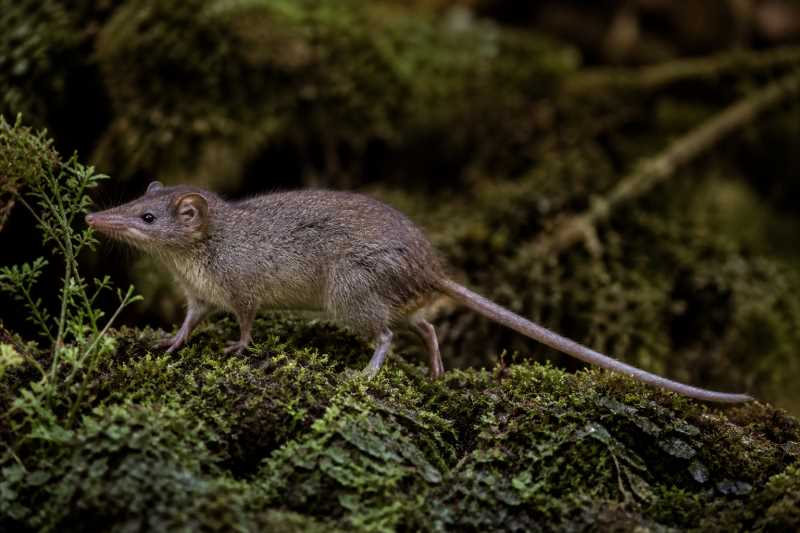
The Sangay Shrew-opossum is a small, nocturnal mammal characterized by its elongated snout, which resembles that of a shrew, hence its name. The body length of this species ranges from 10 to 15 centimeters, with a tail that is approximately equal in length to its body. The tail is prehensile, assisting in climbing and maneuvering through its habitat. The fur of the Sangay Shrew-opossum is typically a dark brown to grey color, providing excellent camouflage among the underbrush of its forest environment. Notably, this species possesses relatively small eyes and ears, adaptations that are consistent with its nocturnal lifestyle.
Range and Habitat
The Sangay Shrew-opossum is endemic to a limited range within the Andean cloud forests of Ecuador. Specifically, it is found in the Sangay National Park, from which its name is derived. This region is characterized by its high altitude and lush, dense vegetation, providing an ideal environment for this species. The cloud forests are rich in biodiversity and offer a unique ecosystem where the Sangay Shrew-opossum can thrive. These forests are often shrouded in mist, maintaining a humid environment that supports a wide variety of flora and fauna.
Behavior and Diet
As a nocturnal creature, the Sangay Shrew-opossum is most active during the night. It is an insectivore, primarily feeding on insects, spiders, and other small invertebrates. Its elongated snout is well adapted for probing into crevices and leaf litter in search of food. The shrew-opossum is a solitary animal, typically foraging alone. Its nocturnal habits and solitary nature make it a challenging species to study, resulting in limited information about its specific behaviors and social interactions.
Identification Tips (field recognition cues)
Identifying the Sangay Shrew-opossum in the wild can be challenging due to its elusive nature and the dense habitat it occupies. However, there are several key features that can aid in its identification:
- Snout Structure: Look for the characteristic elongated snout, which is distinctively shrew-like.
- Size and Tail: Note the small body size, approximately 10 to 15 centimeters, with a tail of similar length.
- Coloration: Observe the dark brown or grey fur, which provides camouflage in the forest underbrush.
- Activity Period: The best time for observation is at night, when the species is most active.
Conservation Status (with threats and protections)
The Sangay Shrew-opossum is currently classified as Data Deficient by the International Union for Conservation of Nature (IUCN) due to the lack of comprehensive data on its population size and distribution. However, the species faces several potential threats that could impact its survival. Habitat destruction due to agriculture, logging, and infrastructure development poses a significant risk to its cloud forest habitat. Sangay National Park provides some protection, but ongoing conservation efforts are essential to ensure the species’ long-term survival. Continued research and monitoring are needed to better understand the species’ ecology and inform conservation strategies.
Frequently Asked Questions
What is the Sangay Shrew-opossum?
The Sangay Shrew-opossum is a small, nocturnal marsupial endemic to the cloud forests of Ecuador. It is known for its elongated snout and insectivorous diet.
Where can the Sangay Shrew-opossum be found?
This species is found exclusively in the Sangay National Park in Ecuador, within the Andean cloud forests characterized by high altitude and dense vegetation.
What threats does the Sangay Shrew-opossum face?
The primary threats to the Sangay Shrew-opossum include habitat destruction due to agriculture, logging, and infrastructure development, impacting its cloud forest habitat.
How can I identify a Sangay Shrew-opossum?
Key identification features include its elongated snout, small body size (10-15 cm), dark brown or grey fur, and nocturnal activity patterns.
Why is the Sangay Shrew-opossum important?
As part of the unique biodiversity of the Andean region, the Sangay Shrew-opossum plays a role in the ecosystem, particularly in controlling insect populations, and its conservation is crucial for maintaining ecological balance.
Related posts