Introduction
Bidau’s Tuco-tuco, scientifically known as Ctenomys bidaui, is a remarkable rodent species belonging to the family Ctenomyidae. This elusive mammal is part of the larger genus Ctenomys, commonly referred to as tuco-tucos due to the sounds they make. Found primarily in South America, tuco-tucos are known for their burrowing habits and fascinating ecological adaptations. This article delves into the intricate details of Bidau’s Tuco-tuco, exploring its physical characteristics, habitat, behavior, and the conservation challenges it faces.
Physical Description
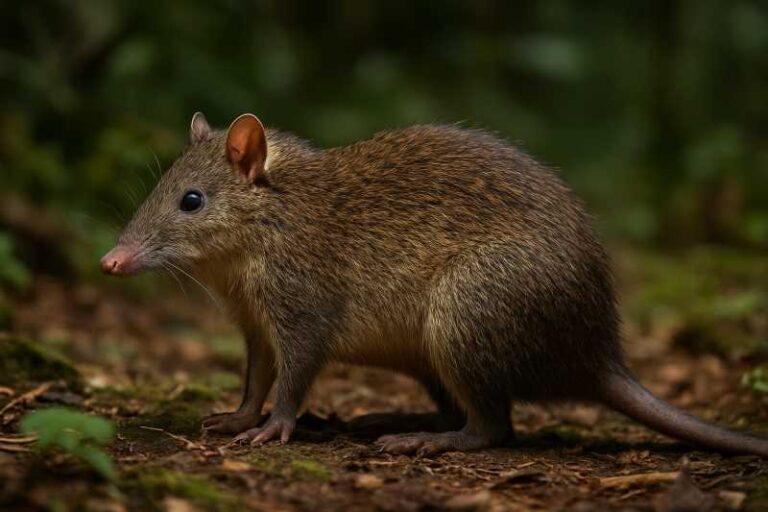
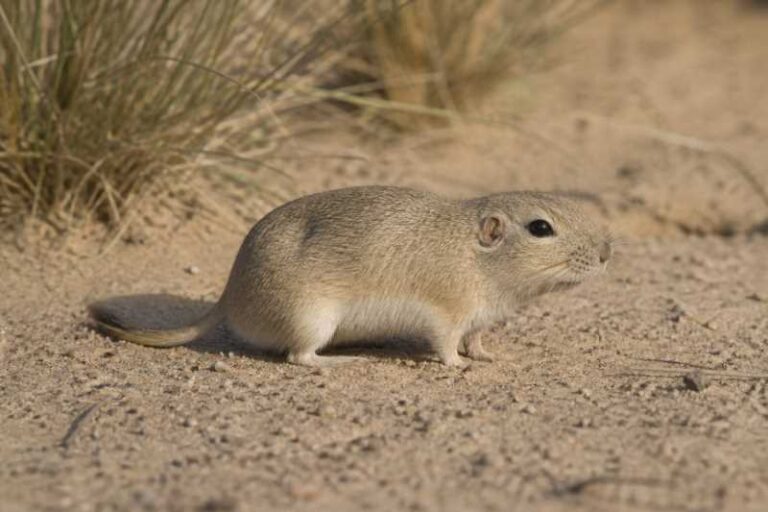
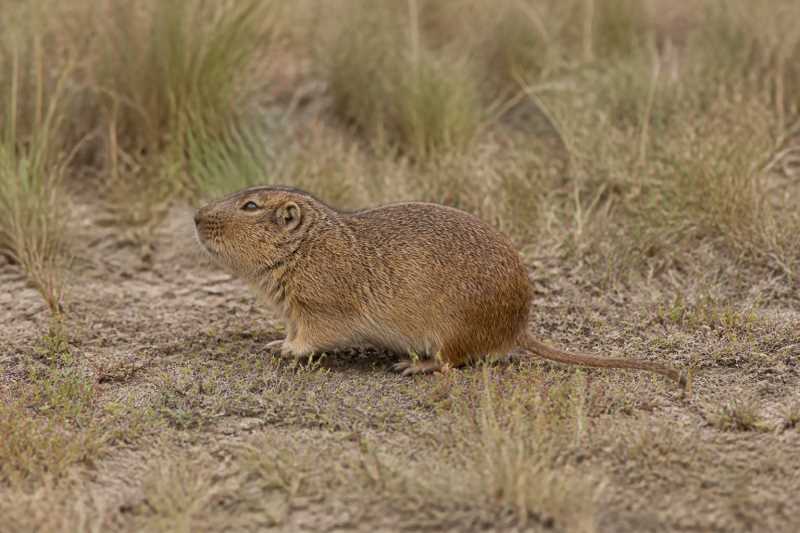
Bidau’s Tuco-tuco is a small to medium-sized rodent characterized by its robust body and specialized digging adaptations. The average adult measures approximately 20 to 25 centimeters in length, with a tail adding an additional 5 to 10 centimeters. Their weight ranges from 300 to 500 grams, with males typically being larger than females.
The fur of Ctenomys bidaui is dense and soft, providing insulation against the cooler underground temperatures. Coloration varies slightly depending on the region, but generally, their fur is a mix of brown, gray, and sometimes a hint of reddish tones. This coloring aids in camouflage within their natural habitat.
Their most distinctive feature is their powerful forelimbs and large, clawed paws, which are perfectly adapted for digging. The eyes and ears of Bidau’s Tuco-tuco are relatively small, reflecting their subterranean lifestyle, where vision and hearing are less crucial compared to tactile and olfactory senses.
Range and Habitat
Bidau’s Tuco-tuco is endemic to specific regions in South America, primarily within Argentina. Their distribution is somewhat limited, found in grasslands and open areas where the soil is suitable for burrowing. These rodents prefer habitats with loose, sandy, or loamy soils that facilitate easier digging and tunnel construction.
The habitat selection is crucial for avoiding predators and extreme weather conditions. The burrows provide a stable microclimate, protecting the tuco-tucos from both the scorching heat and cold temperatures. These underground networks also serve as refuge from natural predators such as birds of prey and carnivorous mammals.
Behavior and Diet
Bidau’s Tuco-tuco is primarily nocturnal and fossorial, spending most of its life underground. Their burrowing behavior is not just for shelter but also plays a significant role in their foraging strategy. They are solitary creatures, with each individual maintaining its own burrow system.
The diet of Ctenomys bidaui consists mainly of plant material, including roots, tubers, and grasses. They have adapted to consume a variety of vegetation, which they often gather and store within their burrows. This food storage behavior is vital for survival during periods when fresh food is scarce.
Social interactions are minimal, mainly occurring during the breeding season when males and females come together. Vocalizations, primarily the ‘tuco-tuco’ sound, are used for communication, especially in territorial disputes or attracting mates.
Identification Tips (Field Recognition Cues)
Identifying Bidau’s Tuco-tuco in the field requires careful observation of both physical and behavioral traits:
- Burrow Entrances: Look for distinctive burrow entrances, often marked by freshly dug earth.
- Size and Color: Note the size (20-25 cm body length) and the characteristic brown/gray fur.
- Sound: Listen for the signature ‘tuco-tuco’ calls, particularly at dusk and dawn.
- Location: Focus on known habitats within Argentina’s grasslands with loose soils.
Conservation Status (with Threats and Protections)
The conservation status of Bidau’s Tuco-tuco is currently listed as "Data Deficient" by the IUCN Red List. This classification reflects the lack of comprehensive data on population trends and threats. However, potential threats include habitat destruction due to agriculture, urbanization, and climate change, which can alter their natural environments.
Conservation efforts are necessary to ensure the survival of this species, which may include habitat protection and further research to better understand their ecology and population dynamics. Legal protections in some regions aim to preserve natural habitats, but more targeted efforts are needed to address specific threats to Ctenomys bidaui.
Frequently Asked Questions
1. What is the primary diet of Bidau’s Tuco-tuco?
Bidau’s Tuco-tuco primarily feeds on plant material, including roots, tubers, and grasses. They are herbivorous and often store food within their burrows for times when resources are scarce.
2. How can you identify Bidau’s Tuco-tuco in the wild?
Identification can be based on their burrow entrances, size (20-25 cm), coloration (brown/gray), and their distinctive ‘tuco-tuco’ vocalizations, especially in known habitats.
3. Where is Bidau’s Tuco-tuco commonly found?
This species is predominantly found in Argentina, residing in grasslands and open areas with loose, sandy, or loamy soils suitable for burrowing.
4. What are the main threats to Bidau’s Tuco-tuco?
Main threats include habitat destruction due to agriculture, urban development, and climate change, all of which can significantly impact their natural environment and survival.
5. What adaptations help Bidau’s Tuco-tuco survive underground?
Key adaptations include strong forelimbs with large claws for digging, dense insulating fur, and reduced eye and ear sizes, favoring their subterranean lifestyle.
Related posts