Introduction
The Eritrean Gazelle, scientifically known as Eudorcas tilonura, is a captivating species of antelope that thrives in the arid and semi-arid landscapes of the Horn of Africa. As a member of the Gazelle genus, it shares the characteristic grace and agility associated with its relatives, but it also boasts unique adaptations that make it distinct. This article explores the various aspects of the Eritrean Gazelle, from its physical traits to its behavior, habitat, and conservation status.
Physical Description
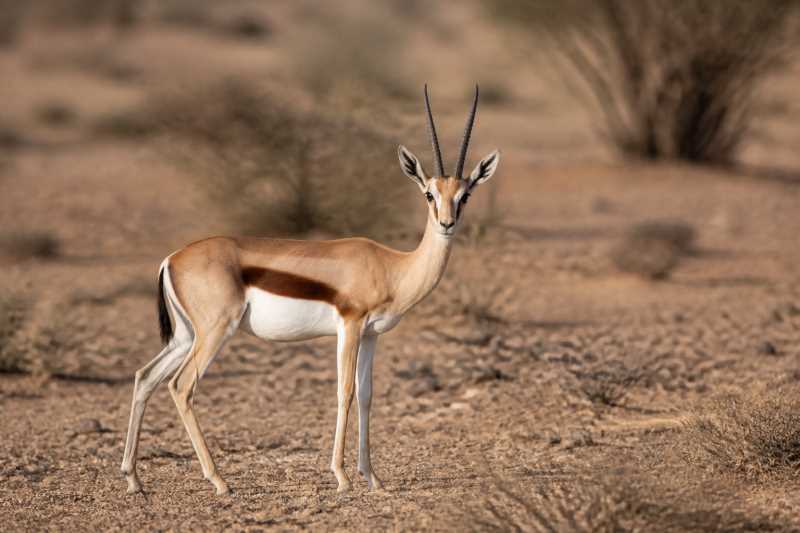
The Eritrean Gazelle is a small to medium-sized antelope, exhibiting a sleek and graceful build. Adult males typically weigh between 15 to 35 kilograms and stand about 60 to 70 centimeters at the shoulder. Females are generally smaller and lighter.
This species is characterized by a sandy brown coat that provides excellent camouflage against the desert and savannah backdrops. The underbelly and rump are white, which contrasts sharply with the darker upper body and aids in identification. A distinctive feature is the black stripe running along the side of the body, from the shoulder to the haunches, which is more pronounced in males. Both sexes possess horns, although those of males are longer and more robust, often curving backward and then upwards.
Range and Habitat
The Eritrean Gazelle inhabits a restricted range primarily in the Horn of Africa, with its population concentrated in Eritrea and parts of northern Ethiopia. They are adapted to a variety of arid environments, including open plains, semi-deserts, and occasionally rocky hillsides.
These gazelles prefer areas with sparse vegetation, which not only provides the necessary forage but also helps them maintain a watchful eye for predators. Their habitat selection is influenced by the availability of water and food resources, as well as the presence of predators.
Behavior and Diet
The Eritrean Gazelle is predominantly diurnal, meaning it is most active during the day, although it may exhibit crepuscular behavior in extremely hot conditions to avoid the midday heat. These gazelles are social animals, often seen in small groups consisting of a dominant male, several females, and their young. Larger herds may form temporarily, especially during the dry season when resources are scarce.
Their diet primarily consists of grasses, leaves, and shoots. During the dry season, they may rely on browsing shrubs and trees to meet their nutritional needs. Adapted to arid conditions, Eritrean Gazelles obtain much of their water requirements from the moisture content in their food, allowing them to survive long periods without direct water sources.
Identification Tips (Field Recognition Cues)
Identifying the Eritrean Gazelle in the field requires attention to several key features:
- Coat Coloration: Look for the sandy brown coat with a contrasting white underbelly and rump.
- Black Stripe: Note the prominent black stripe along the sides, a distinctive characteristic of this species.
- Horns: Observe the horn shape; both sexes have horns, but males have longer and thicker ones that curve backward.
- Body Size: Smaller and more slender than some other gazelle species, aiding in rapid and agile movement.
Conservation Status (with Threats and Protections)
The Eritrean Gazelle is currently listed as Vulnerable on the IUCN Red List. The primary threats to its survival include habitat loss due to agricultural expansion, poaching, and competition with livestock for resources.
Conservation efforts are in place to protect this species, though challenges remain. Protected areas within its range have been established, and there are ongoing efforts to engage local communities in conservation initiatives. However, enforcement of anti-poaching laws and habitat preservation measures needs strengthening to ensure the long-term survival of the Eritrean Gazelle.
Frequently Asked Questions
1. What is the typical lifespan of an Eritrean Gazelle in the wild?
In the wild, Eritrean Gazelles typically live for about 10 to 12 years. However, their lifespan can be affected by factors such as predation and environmental conditions.
2. How do Eritrean Gazelles cope with extreme heat in their habitat?
Eritrean Gazelles are well-adapted to hot climates. They often rest during the hottest parts of the day and are active during cooler periods, like early morning or late afternoon. Their diet also helps them meet their water needs.
3. Are Eritrean Gazelles social animals?
Yes, Eritrean Gazelles are social and usually form small groups. These groups provide protection against predators and aid in locating food resources.
4. Can Eritrean Gazelles be found outside Eritrea and Ethiopia?
Their range is primarily limited to Eritrea and northern Ethiopia. Sightings outside these regions are rare and typically involve individuals that have wandered from known populations.
5. What conservation measures are in place for Eritrean Gazelles?
Conservation measures include the establishment of protected areas, anti-poaching laws, and community-based conservation programs. Efforts are focused on habitat preservation and reducing human-wildlife conflicts.
Related posts