Introduction
The Gray Seal (Halichoerus grypus) is a large marine mammal found along the North Atlantic coasts. These seals are notable for their distinct appearance and play a crucial role in marine ecosystems as both predator and prey. Known for their sociable nature, gray seals are often seen in large colonies during breeding seasons. Despite their robust population, they face numerous threats that necessitate ongoing conservation efforts.
Physical Description
Gray seals are one of the larger seal species, with males reaching up to 2.5 meters (8.2 feet) in length and weighing as much as 300 kilograms (661 pounds). Females are slightly smaller, typically measuring up to 2 meters (6.6 feet) and weighing around 150 kilograms (330 pounds). Their bodies are streamlined, helping them to move gracefully through the water.
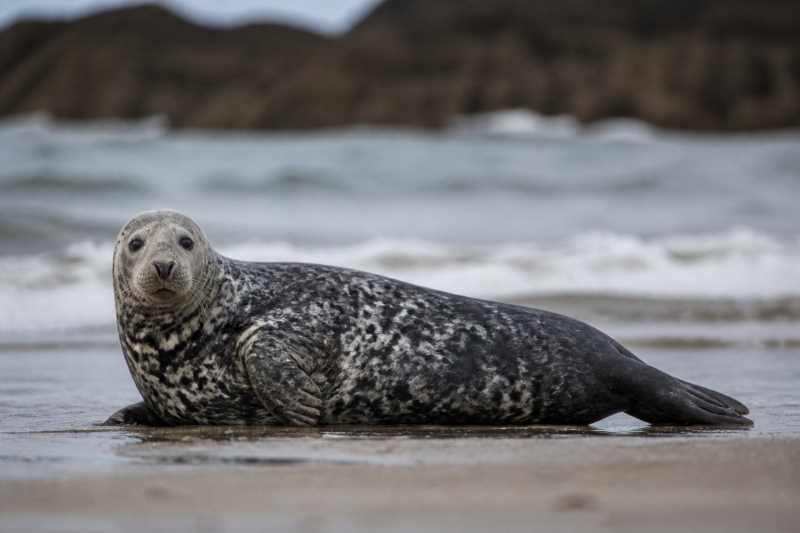
The gray seal’s coat is usually gray with irregular spots and patches, which can vary greatly between individuals. Males tend to have a darker coat compared to females. One of their most distinguishing features is the elongated, horse-like snout, earning them the nickname "horsehead seal." They have large, expressive eyes and strong flippers that aid in their swimming prowess.
Range and Habitat
Gray seals inhabit the North Atlantic Ocean, with two main populations: the Western Atlantic, ranging from Canada to the northeastern United States, and the Eastern Atlantic, found around the British Isles, Norway, and the Baltic Sea. They prefer cold, temperate waters and are frequently seen along rocky coastlines, sandy beaches, and remote islands.
These seals are also known to venture into estuaries and coastal waters, often hauling out on rocks or sandy shores to rest, molt, or breed. Their preference for specific haul-out sites makes them somewhat predictable in terms of location, which unfortunately also makes them vulnerable to human disturbance and habitat loss.
Behavior and Diet
Gray seals are social animals that exhibit a variety of behaviors, particularly during the breeding season. They are known for their distinctive vocalizations, which they use to communicate with one another. Breeding generally occurs between September and December, with females giving birth to a single pup after a gestation period of about 11 months. Pups are born with a thick white lanugo coat, which they shed after weaning.
In terms of diet, gray seals are opportunistic feeders, consuming a wide range of fish species including cod, herring, and flatfish. They have also been known to eat crustaceans and occasionally seabirds. Their hunting techniques involve both shallow dives and deep-water foraging, depending on the availability of prey.
Identification Tips (Field Recognition Cues)
Field identification of gray seals can be simplified by focusing on a few key characteristics:
- Size and Shape: Look for their large size and the distinctive, elongated snout.
- Coloration: Note the gray coat with variable dark spots, which are more pronounced in males.
- Behavior: Observe their social behavior, often seen in groups, especially during the breeding season.
- Location: Identify them in preferred habitats such as rocky coastlines and sandy beaches.
Conservation Status (with Threats and Protections)
The International Union for Conservation of Nature (IUCN) lists the gray seal as "Least Concern," reflecting a stable and, in some regions, increasing population. However, specific threats to their well-being include bycatch in fishing nets, hunting, oil spills, and habitat degradation.
Conservation measures have been implemented to protect gray seals, such as specific marine protected areas and regulations on hunting and fishing practices. Public awareness campaigns continue to be vital in reducing human-seal conflicts and promoting coexistence.
Frequently Asked Questions
1. What is the primary diet of the gray seal?
Gray seals primarily feed on a variety of fish such as cod, herring, and flatfish. They are also known to eat crustaceans and occasionally seabirds.
2. Where can I see gray seals in the wild?
Gray seals are commonly found along the North Atlantic coasts, particularly around the British Isles, Norway, the Baltic Sea, and the northeastern United States.
3. How do gray seals communicate?
Gray seals communicate through vocalizations, especially during the breeding season. These sounds include barks, growls, and moans.
4. Are gray seals endangered?
Gray seals are not currently endangered and are classified as "Least Concern" by the IUCN. However, they face threats from human activities and environmental changes.
5. What is the breeding season for gray seals?
The breeding season for gray seals typically occurs from September to December, with females giving birth to pups after an 11-month gestation period.
Related posts