Introduction
Racey’s Pipistrelle, scientifically known as Pipistrellus raceyi, is a unique species of bat found predominantly in Madagascar. Named after the renowned zoologist Paul Racey, this bat belongs to the Vespertilionidae family, which encompasses a large variety of vesper bats known for their echolocation abilities and nocturnal lifestyles. In recent years, Racey’s Pipistrelle has garnered significant attention from researchers and conservationists alike, due to its limited range and the pressing environmental threats it faces.
Physical Description
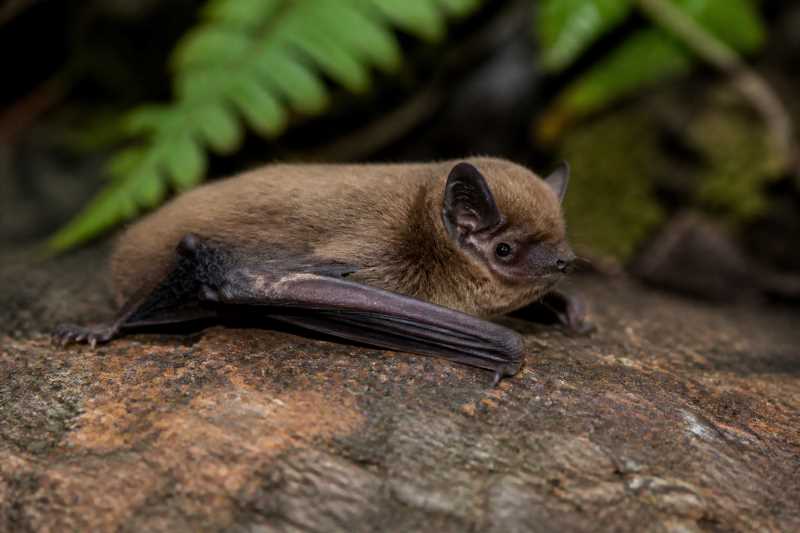
Racey’s Pipistrelle is a small bat species, characterized by its delicate build and agile flight. Adult individuals typically weigh between 4 to 6 grams, with a wingspan ranging from 20 to 25 centimeters. Their fur is soft and dense, often exhibiting a dark brown to reddish-brown coloration on the dorsal side, while the ventral side tends to be lighter, featuring a subtle grayish hue. The species’ face is distinguished by a short muzzle and large, rounded ears, which are essential for its adept echolocation capabilities. The wings are long and narrow, designed for swift, maneuverable flight, which aids in their insectivorous diet.
Range and Habitat
Racey’s Pipistrelle is primarily found in the eastern regions of Madagascar. The species favors tropical and subtropical moist broadleaf forests, which provide adequate roosting sites and an abundance of insect prey. These bats are often associated with both primary and secondary forests, indicating a degree of adaptability to habitat changes, although they are most commonly found in undisturbed forest areas. Occasionally, they may also be observed in agricultural landscapes and near human settlements, especially in areas where natural forests have been significantly reduced.
Behavior and Diet
As nocturnal mammals, Racey’s Pipistrelles are most active during the night, spending daylight hours roosting in tree hollows, caves, or man-made structures. Their social structure is relatively loose, often forming small colonies that can consist of a few dozen individuals. The species is insectivorous, primarily feeding on a variety of flying insects, which they catch mid-flight using their acute echolocation abilities. This adaptation not only allows them to navigate through dense forest canopies but also to detect and capture prey with remarkable precision.
Identification Tips (Field Recognition Cues)
Identifying Racey’s Pipistrelle in the wild requires attention to several key characteristics:
- Size and Shape: Look for a small bat with a wingspan of approximately 20-25 cm and a body length of about 4-5 cm.
- Coloration: Note the dark brown to reddish-brown fur on the back and lighter, grayish fur on the underside.
- Ears: Observe the large, rounded ears which are prominent features on the bat’s head.
- Flight Pattern: Watch for their agile, erratic flight, typical of insectivorous bats as they hunt.
Conservation Status (with Threats and Protections)
The conservation status of Racey’s Pipistrelle is currently classified as Near Threatened according to the IUCN Red List. The primary threats to this species are habitat destruction and fragmentation, largely due to deforestation for agriculture, logging, and human settlement expansion. Additionally, the disturbance of roosting sites poses a significant risk to their populations. Conservation efforts are focused on habitat protection and restoration, as well as raising awareness about the ecological importance of bats. Protected areas in Madagascar play a crucial role in preserving the natural habitats of this and other native species.
Frequently Asked Questions
1. What is the habitat range of Racey’s Pipistrelle? Racey’s Pipistrelle is found mainly in the eastern forests of Madagascar, preferring tropical and subtropical moist broadleaf forests. They are adaptable to some habitat changes but thrive best in undisturbed forest areas.
2. How does Racey’s Pipistrelle locate its prey? This bat species uses echolocation to navigate and hunt. By emitting high-frequency sound waves and listening for the returning echoes, they can accurately detect and capture flying insects in the dark.
3. What are the main threats to Racey’s Pipistrelle? The primary threats include habitat destruction and fragmentation due to deforestation, agricultural expansion, and human settlement. Disturbance of roosting sites also poses a significant threat.
4. Are there any conservation measures in place for Racey’s Pipistrelle? Yes, there are several conservation measures including habitat protection and restoration efforts. Protected areas in Madagascar are crucial in safeguarding the natural habitats of Racey’s Pipistrelle.
5. How can I identify Racey’s Pipistrelle in the wild? Look for a small bat with a wingspan of 20-25 cm, dark brown to reddish-brown fur, and large rounded ears. They exhibit an agile, erratic flight pattern typical of insectivorous bats.
Related posts