Introduction
The black-footed mongoose (Bdeogale nigripes) is a fascinating and relatively lesser-known species of mongoose that inhabits specific regions in Africa. Known for its distinctive black feet and unique behavioral traits, this species plays a significant role in its ecosystem as both predator and prey. The black-footed mongoose belongs to the Herpestidae family, which includes other notable mongoose species. This article delves into the various aspects of the black-footed mongoose, including its physical characteristics, habitat, behavior, and conservation status, providing a comprehensive overview for enthusiasts and researchers alike.
Physical Description
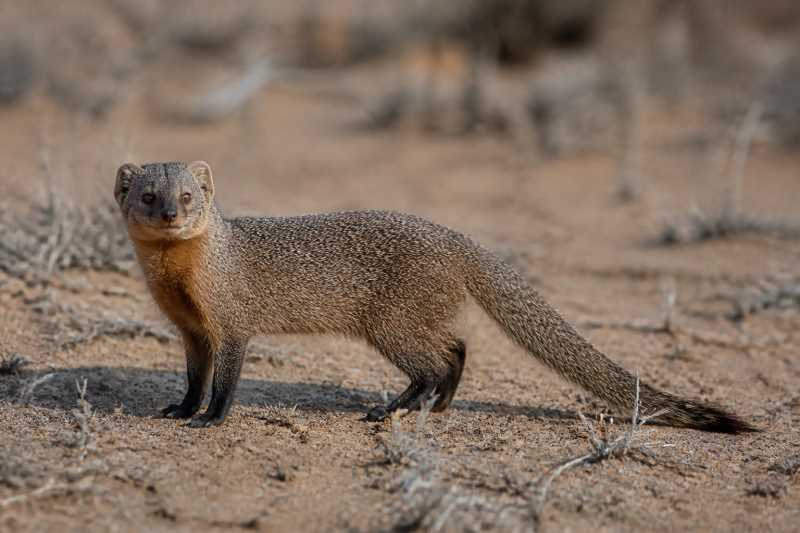
The black-footed mongoose is a medium-sized mammal characterized by its elongated body, short legs, and bushy tail. One of the most distinguishing features of this species is its darkly pigmented feet, which give the species its common name. The fur is generally coarse and varies in color from gray to brown, often with lighter underparts. Adults typically weigh between 1.5 to 3 kilograms (3.3 to 6.6 pounds) and measure approximately 50 to 65 centimeters (20 to 26 inches) in body length, excluding the tail, which adds another 25 to 35 centimeters (10 to 14 inches).
Their ears are small and rounded, complementing their keen sense of hearing, which is crucial for detecting prey and predators. The muzzle is pointed, aiding in the search for small insects and other invertebrates, while their sharp, non-retractable claws are adapted for digging and climbing.
Range and Habitat
The black-footed mongoose is primarily found in the central African regions, with its range extending through countries such as Gabon, the Democratic Republic of the Congo, and parts of Cameroon. This species favors dense, moist forests, which provide ample cover and a rich supply of food sources. They are also known to inhabit secondary forests and savanna edges, adapting to various environments as long as there is sufficient vegetation to offer protection and hunting opportunities.
The geographic distribution of the black-footed mongoose is relatively limited compared to other mongoose species, making its habitat preferences a crucial factor in its survival. Fragmentation of forests and changes in land use pose significant threats to their natural habitats, affecting their distribution and population dynamics.
Behavior and Diet
Black-footed mongooses are primarily nocturnal, showing peak activity during the night when they hunt and forage for food. They are solitary creatures, though they may occasionally be spotted in pairs, especially during the breeding season. Their diet is omnivorous, consisting of a wide range of food items, including insects, small mammals, birds, eggs, and fruits. This dietary flexibility allows them to adapt to varying environmental conditions and food availability.
Their foraging behavior is characterized by acute senses and stealth, employing their excellent hearing and sense of smell to locate prey. Black-footed mongooses are also known to engage in cooperative hunting strategies, especially when targeting larger prey. This cooperation, albeit rare, showcases their intelligence and adaptability in the wild.
Identification Tips (Field Recognition Cues)
Identifying a black-footed mongoose in the field requires careful observation of several key characteristics:
- Foot Coloration: The most distinctive feature is the black coloration of their feet, setting them apart from other mongoose species.
- Body Size and Shape: Look for a medium-sized, elongated body with short legs and a bushy tail.
- Fur Color: Observe the coarse, gray to brown fur with lighter underparts.
- Behavior: Note their nocturnal habits and solitary nature during most of the year.
These cues, combined with habitat context, can aid in the accurate identification of the black-footed mongoose in its natural surroundings.
Conservation Status (With Threats and Protections)
The conservation status of the black-footed mongoose is currently listed as "Data Deficient" by the International Union for Conservation of Nature (IUCN). This classification indicates a lack of comprehensive data on its population size and trends, complicating efforts to assess its true conservation needs. However, habitat loss due to deforestation and human encroachment remains a significant threat to the species.
Conservation efforts are focused on habitat preservation and monitoring populations through field research. Protected areas within its range offer some respite, but increased awareness and conservation action are needed to ensure the sustainability of their populations. Collaborative efforts between governments, conservation organizations, and local communities are vital to mitigate the threats and safeguard the future of the black-footed mongoose.
Frequently Asked Questions
Why is this species unique?
The black-footed mongoose is unique due to its distinct black feet and nocturnal, solitary behavior. Unlike many other mongoose species that are more social, this species’ solitary nature makes it a fascinating subject for behavioral studies.
What are the main threats to the black-footed mongoose?
The primary threats include habitat loss due to deforestation and land-use changes, which lead to fragmentation of their natural environment. These changes limit their range and affect their ability to find food and shelter.
How can we help conserve the black-footed mongoose?
Conservation efforts can be supported by promoting habitat preservation, supporting protected areas, and participating in or donating to wildlife conservation organizations that focus on research and awareness campaigns for this species.
What is their role in the ecosystem?
Black-footed mongooses play a critical role as both predator and prey in their ecosystems. They help control insect and small mammal populations, while also serving as prey for larger predators, thus maintaining ecological balance.
Related posts