Introduction
Babu’s Pipistrelle, scientifically named Alionoctula babu, is a relatively lesser-known species of bat that inhabits certain regions of Asia. Despite its elusive nature, this species has captured the interest of researchers and wildlife enthusiasts alike due to its unique behavior and ecological importance. Babu’s Pipistrelle plays a crucial role in maintaining the balance of insect populations, thus contributing significantly to its ecosystem. In this article, we will delve into the various aspects of this intriguing species, including its physical description, habitat, behavior, and conservation status.
Physical Description
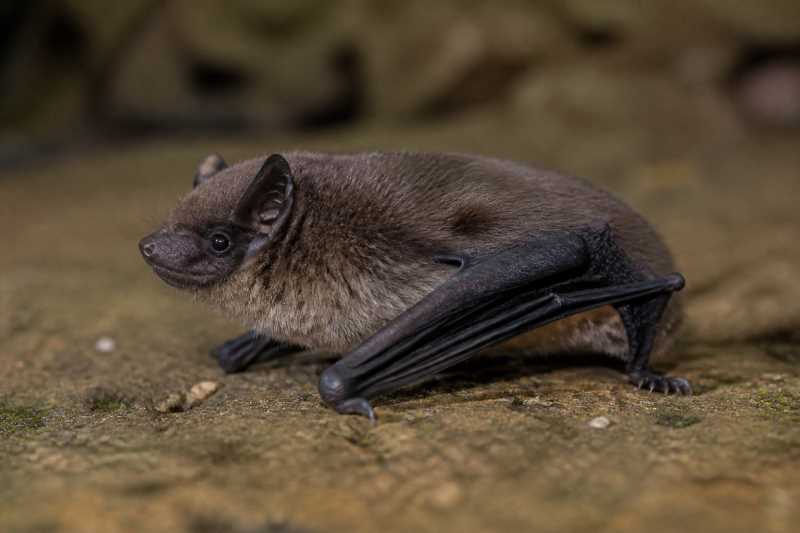
Babu’s Pipistrelle is a small species of bat, characterized by its compact body and distinct wing structure. Its fur is typically a dark brown to black color, providing a form of camouflage within its natural habitat. The ears of Babu’s Pipistrelle are relatively short and rounded, fitting the typical Pipistrelle profile. One of the most distinguishing features of this species is its wingspan, which ranges approximately from 25 to 30 centimeters, allowing for agile flight in densely vegetated areas.
The face of Babu’s Pipistrelle is somewhat flattened, with a snub nose and large, round eyes that are adapted to low-light conditions. Their dental structure is optimized for an insectivorous diet, featuring sharp teeth capable of efficiently capturing and consuming a variety of insects. This species exhibits sexual dimorphism, where females are slightly larger than their male counterparts, a common trait among many bat species.
Range and Habitat
Babu’s Pipistrelle is predominantly found in the tropical and subtropical regions of Asia. Its range extends across several countries, including India, Bangladesh, and parts of Southeast Asia. The species prefers habitats that offer abundant food supply and suitable roosting sites, such as forests, grasslands, and even urban areas where insects are plentiful.
Roosting sites for Babu’s Pipistrelle are often located in tree hollows, caves, and sometimes in man-made structures. These bats are highly adaptable and have been known to occupy buildings in urban settings, especially in areas where natural habitats have been encroached upon by human development. The ability to thrive in diverse habitats is a testament to the species’ resilience and adaptability.
Behavior and Diet
Alionoctula babu is a nocturnal species, primarily active during the nighttime hours when it embarks on foraging expeditions. Its diet consists predominantly of insects, which it captures in flight using sophisticated echolocation techniques. The bat emits high-frequency sound waves that bounce off objects, allowing it to navigate and locate prey with remarkable accuracy.
Socially, Babu’s Pipistrelle tends to form small colonies, which can be observed roosting together during the day. These colonies are often composed of related individuals, indicating a social structure that supports communal living. The bats communicate with one another through a series of vocalizations and pheromones, which helps maintain group cohesion and facilitates mating.
Identification Tips (field recognition cues)
Identifying Babu’s Pipistrelle in the field can be challenging due to its small size and nocturnal habits. However, there are several key cues that can aid in its identification:
- Size and Shape: Look for a small bat with a wingspan of 25-30 cm and a compact body.
- Coloration: Dark brown to black fur, which aids in its camouflage.
- Ears and Face: Short, rounded ears and a flat face with a snub nose.
- Flight Pattern: Agile and rapid flight, often seen darting through areas rich in insect activity.
- Roosting Behavior: Commonly found in tree hollows, caves, or buildings, especially during the day.
Conservation Status (with threats and protections)
Babu’s Pipistrelle is currently classified as a species of Least Concern according to the International Union for Conservation of Nature (IUCN). However, like many bat species, it faces several threats that could impact its populations. Habitat destruction due to deforestation and urban expansion poses significant risks, as it reduces the availability of suitable roosting and foraging sites.
Additionally, the use of pesticides in agricultural areas can diminish insect populations, which are the primary food source for these bats. Climate change also presents a looming threat, potentially altering the habitats and food availability for Babu’s Pipistrelle.
To protect this species, it is crucial to implement conservation measures that preserve natural habitats and promote sustainable development. Efforts to educate the public about the ecological importance of bats can also help mitigate human-wildlife conflicts and foster a more harmonious coexistence.
Frequently Asked Questions
1. What is the primary diet of Babu’s Pipistrelle?
Babu’s Pipistrelle primarily feeds on insects. It uses echolocation to detect and capture a variety of insect prey, playing a crucial role in controlling insect populations in its habitat.
2. Where can Babu’s Pipistrelle be found?
This species is found in tropical and subtropical regions of Asia, including countries like India and Bangladesh. It inhabits forests, grasslands, and urban areas where insects are abundant.
3. How does Babu’s Pipistrelle adapt to urban environments?
Babu’s Pipistrelle is highly adaptable and often roosts in buildings within urban areas. This adaptability allows it to thrive even in regions where natural habitats are limited due to human development.
4. What are the main threats to Babu’s Pipistrelle?
The main threats include habitat destruction, pesticide use, and climate change. These factors can significantly impact the availability of food and roosting sites for the species.
5. How can Babu’s Pipistrelle be identified in the field?
Key identification cues include its small size, dark brown to black coloration, short rounded ears, and agile flight pattern. Observers should look for these traits in areas rich in insect activity.
Related posts