Introduction
Alfaro’s Rice Rat (Casiomys alfaroi) is a small mammal that belongs to the family Cricetidae. This intriguing rodent species is native to parts of Central and South America and is known for its adaptability to various environments. The species name, alfaroi, honors the Costa Rican zoologist Alfaro, who made significant contributions to the study of small mammals in the region. Understanding the biology and ecology of Alfaro’s Rice Rat is crucial for conservation efforts, as it plays a significant role in the ecosystems it inhabits.
Physical Description
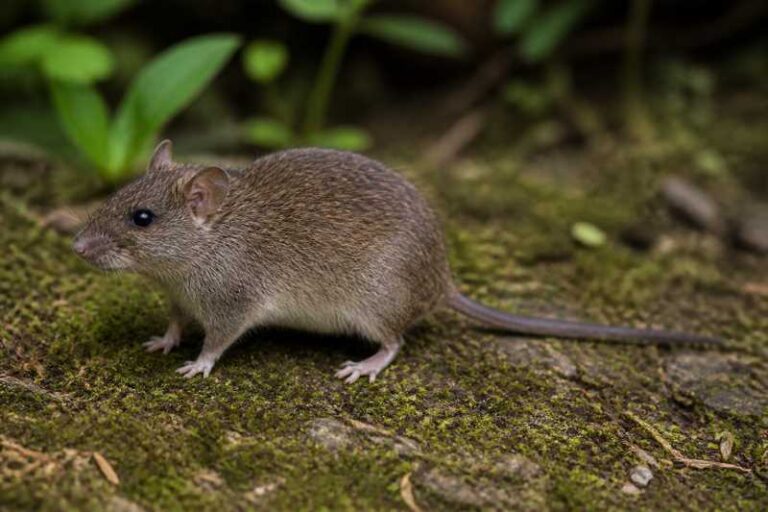
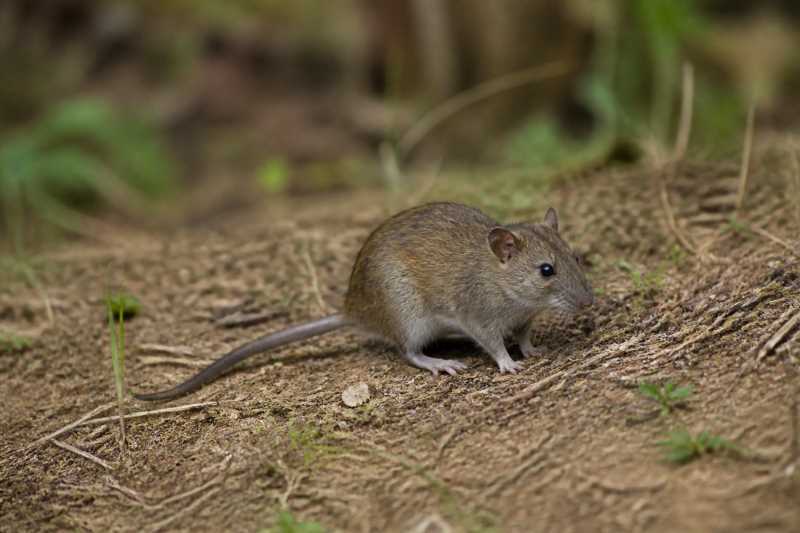
Casiomys alfaroi is a diminutive rodent, typically weighing between 30 to 50 grams. It measures approximately 12 to 18 centimeters in total length, including its tail, which is slightly shorter than its head and body combined. The fur of Alfaro’s Rice Rat is dense and soft, with a coloration that varies from light brown to grayish on the dorsal side and a paler, almost white coloration on the ventral side. This color pattern provides effective camouflage against predators in its natural environment. The ears are rounded and moderately sized, while the eyes are relatively large, aiding in its nocturnal activities.
Range and Habitat
Alfaro’s Rice Rat is found predominantly in the tropical regions of Central and South America, including countries such as Costa Rica, Nicaragua, and Panama. Its habitat range extends into the northern parts of South America, including Colombia and Venezuela. The species thrives in a variety of habitats, ranging from lowland tropical forests to montane regions, up to elevations of about 2,000 meters. Alfaro’s Rice Rat is generally found in moist environments, often near water sources such as streams and rivers, which provide both shelter and abundant food resources.
Behavior and Diet
Casiomys alfaroi is primarily nocturnal, with most of its activity occurring during the night. This behavior helps it avoid many diurnal predators. It is an agile climber and often forages both on the ground and in the understory of forests. The diet of Alfaro’s Rice Rat is omnivorous, consisting of seeds, fruits, insects, and small invertebrates. This diverse diet allows it to adapt to different food availabilities throughout the year. Socially, Alfaro’s Rice Rat is known to be solitary, except during the breeding season when males and females come together to mate.
Identification Tips (Field Recognition Cues)
Identifying Alfaro’s Rice Rat in the field can be challenging due to its small size and nocturnal habits. However, there are several cues that can aid in its identification:
- Size and Shape: Look for a small rodent with a total length of 12 to 18 centimeters. Its compact body and relatively short tail can be distinguishing features.
- Coloration: Note the soft fur that is light brown to gray on the dorsal side and paler on the ventral side.
- Behavior: Observe its nocturnal activity patterns and its preference for moist, forested environments near water.
- Tracks and Signs: Look for small footprints and droppings near water sources, which can indicate the presence of this species.
Conservation Status (With Threats and Protections)
As of the latest assessments, Alfaro’s Rice Rat is listed as a species of Least Concern by the International Union for Conservation of Nature (IUCN). This classification indicates that the species is currently stable and not facing an immediate risk of extinction. However, there are several threats that could impact its populations in the future, including habitat destruction due to deforestation and agricultural expansion. Additionally, climate change poses a potential threat by altering the ecosystems that Alfaro’s Rice Rat depends on.
Conservation efforts for Casiomys alfaroi focus on habitat protection and management, particularly in preserving the tropical forests where this species thrives. Protected areas and national parks in Central and South America play a crucial role in safeguarding its habitat. Further research into its population dynamics and ecological role is needed to develop more targeted conservation strategies.
Frequently Asked Questions
1. What is the primary diet of Alfaro’s Rice Rat?
Alfaro’s Rice Rat is omnivorous, feeding on a variety of seeds, fruits, insects, and small invertebrates. This diverse diet helps it adapt to different environmental conditions and food availabilities.
2. Where can Alfaro’s Rice Rat be found?
This species is native to Central and South America, particularly in countries like Costa Rica, Nicaragua, and Panama, extending into northern South America, including Colombia and Venezuela. It inhabits tropical forests and montane regions near water sources.
3. Is Alfaro’s Rice Rat endangered?
Currently, Alfaro’s Rice Rat is classified as Least Concern by the IUCN, indicating that it is not currently at risk of extinction. However, ongoing threats such as habitat destruction and climate change could impact its populations in the future.
4. How does Alfaro’s Rice Rat adapt to its environment?
Alfaro’s Rice Rat adapts through its nocturnal behavior, allowing it to avoid predators, and its omnivorous diet, enabling it to utilize various food sources. Its fur coloration also provides camouflage in its natural habitat.
5. What are the main threats to Alfaro’s Rice Rat?
The main threats include habitat destruction from deforestation and agricultural expansion, as well as potential impacts from climate change, which could alter its natural habitats.
Related posts