Oriental Serotine (Cnephaeus pachyomus)
Introduction
The Oriental Serotine, scientifically known as Cnephaeus pachyomus, is a fascinating species of bat found predominantly in parts of Southeast Asia. Known for its unique characteristics and adaptability, this mammal plays a crucial role in its ecosystem, especially in terms of insect population control. Despite its importance, the Oriental Serotine remains less well-known compared to other bat species. This article delves into the various aspects of the Oriental Serotine, including its physical description, range, habitat, behavior, diet, and conservation status.
Physical Description
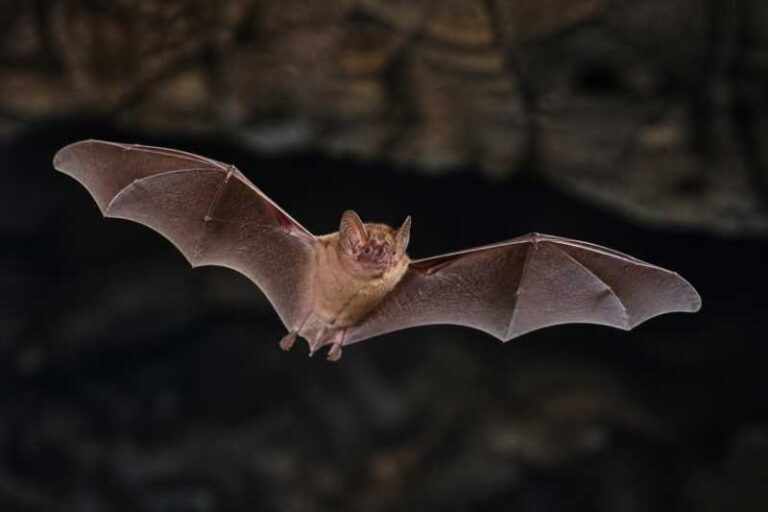
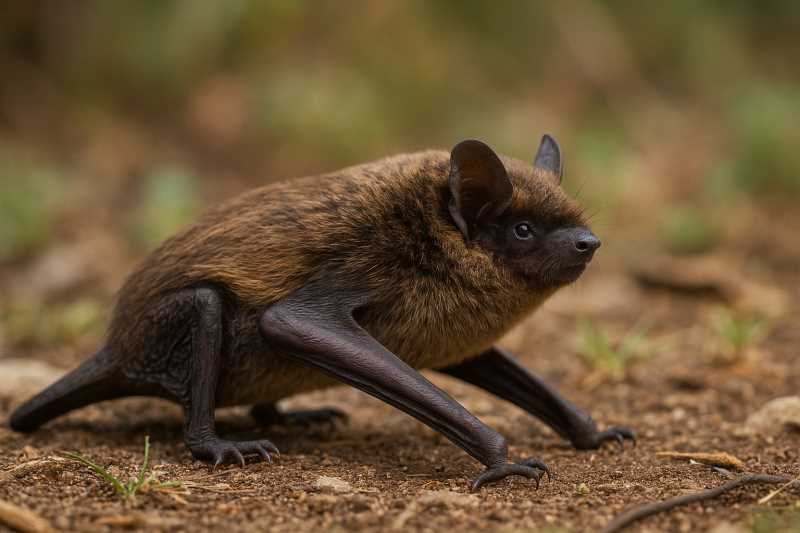
The Oriental Serotine is a medium-sized bat, with an average wingspan reaching approximately 28 to 32 centimeters. The body length ranges from 5 to 7 centimeters, and it typically weighs between 10 to 18 grams. The fur of the Oriental Serotine is generally a dark brown, with a lighter underside. This coloration provides effective camouflage within its natural habitat. The wings are long and narrow, designed for agile flight, which is essential for catching prey. One of the distinguishing features of this species is its relatively large ears, which are vital for echolocation—a critical tool used by bats to navigate and hunt in the dark.
Range and Habitat
The Oriental Serotine is native to the Southeast Asian region, with its range extending across countries such as Thailand, Malaysia, Indonesia, and parts of the Philippines. It prefers habitats that offer abundant food sources and suitable roosting sites. These environments typically include tropical and subtropical forests, agricultural areas, and sometimes urban regions where they can find roosting opportunities in buildings or large trees.
Their adaptability to different environments has allowed the Oriental Serotine to thrive in various settings, although they are more commonly found in areas that offer ample insect prey. During the day, these bats seek shelter in caves, tree hollows, and sometimes in the roofs of old buildings, emerging at dusk to feed.
Behavior and Diet
The Oriental Serotine is primarily nocturnal, with activity peaking just after sunset and before sunrise. This timing allows them to avoid many potential predators while maximizing their feeding time. Their diet primarily consists of insects, making them invaluable in controlling insect populations. Moths, beetles, and various flying insects form the bulk of their diet, which they catch mid-flight using their agile flying skills.
The species employs echolocation to detect and capture prey. By emitting high-frequency sound waves, they can create a mental map of their surroundings and identify the location of insects in the dark. This sophisticated hunting technique not only aids in feeding but also in navigation through dense forest canopies.
Identification Tips (Field Recognition Cues)
Identifying the Oriental Serotine in the field can be challenging due to its nocturnal nature and quick flight. However, there are several cues that can aid in recognition:
- Wing Shape and Flight Pattern: Look for a bat with long, narrow wings and a swift, agile flight pattern, often characterized by sudden turns and dives.
- Fur Coloration: Note the dark brown fur with a lighter, almost grayish, underside.
- Echolocation Calls: With the help of a bat detector, identify its echolocation calls, which are typically within the frequency range of 25 to 50 kHz.
- Roosting Habits: During the day, look for them in potential roosting sites like trees with hollows, caves, or old buildings.
Conservation Status (with Threats and Protections)
Currently, the Oriental Serotine is not listed as endangered, but it faces several threats that could impact its populations. Habitat destruction due to deforestation and urban expansion poses significant risks, reducing available roosting sites and food sources. Pesticide use in agriculture can also reduce insect populations, indirectly affecting these bats.
Conservation efforts are essential to ensure the survival of this species. Protecting natural habitats and enforcing regulations on pesticide use are crucial steps. Additionally, promoting the establishment of bat-friendly environments within urban areas can aid in their conservation.
Frequently Asked Questions
1. What is the primary diet of the Oriental Serotine?
The Oriental Serotine primarily feeds on insects, including moths, beetles, and other flying insects, which they catch using echolocation.
2. Where can the Oriental Serotine be found?
This species is found across Southeast Asia, including Thailand, Malaysia, Indonesia, and the Philippines, often in tropical forests and agricultural areas.
3. How does the Oriental Serotine navigate and hunt at night?
The bat uses echolocation, emitting high-frequency sound waves that bounce off objects and return to the bat, allowing it to create a mental map of its surroundings and locate prey.
4. What are the main threats to the Oriental Serotine?
Habitat destruction, urban expansion, and pesticide use are the primary threats, as they reduce available roosting sites and food sources.
5. How can we help conserve the Oriental Serotine?
Conservation efforts include protecting natural habitats, regulating pesticide use, and creating bat-friendly environments in urban areas.
Related posts