Introduction
The Curaçao Myotis (Myotis nesopolus) is a fascinating species of bat that is part of the Vespertilionidae family, commonly known as the vesper bats. This species is particularly intriguing due to its limited geographical distribution and specialized habitat preferences. Known for their vital role in ecosystems as insectivores, bats like the Curaçao Myotis contribute significantly to controlling insect populations and thus maintaining ecological balance.
The study of this species not only provides insights into the diversity and adaptability of bats but also highlights the conservation needs of island ecosystems. In this comprehensive article, we delve into the various aspects of the Curaçao Myotis, including its physical characteristics, habitat, behavior, and conservation status, providing valuable information for researchers, conservationists, and wildlife enthusiasts alike.
Physical Description
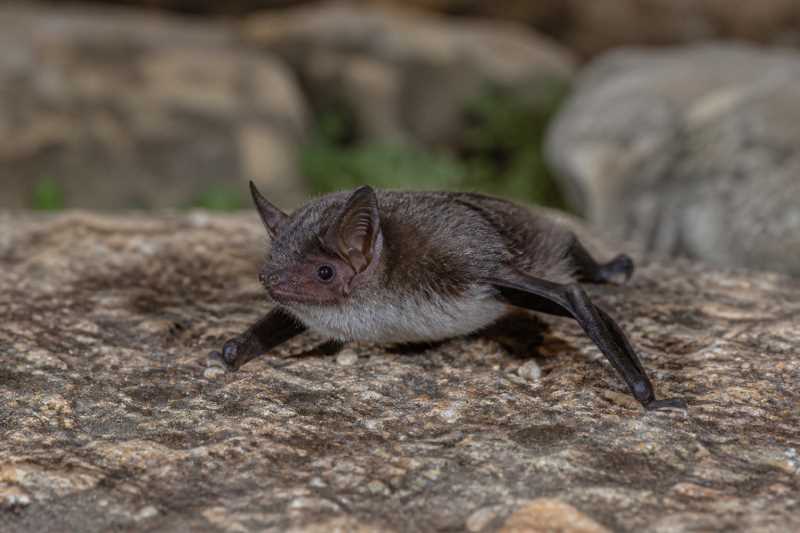
The Curaçao Myotis is a small to medium-sized bat characterized by its distinct physical features that adapt it to its ecological niche. Typically, individuals of this species exhibit a wingspan ranging from 25 to 30 centimeters. The body length of Myotis nesopolus generally falls between 4.5 to 5.5 centimeters, with a tail length of approximately 3 to 4 centimeters. This bat species is relatively lightweight, with an average weight of 5 to 8 grams, allowing for agile flight and maneuverability.
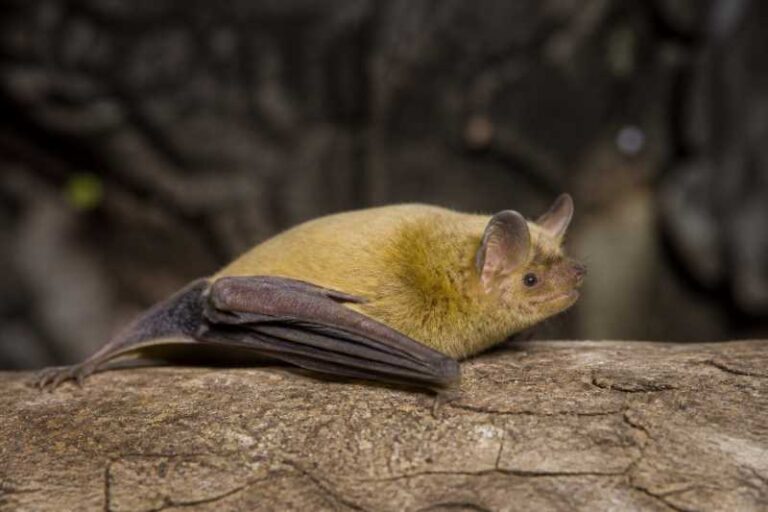
The fur of the Curaçao Myotis is soft and usually a dull brown or grayish-brown, providing effective camouflage among the rocky crevices and caves that they inhabit. The underparts are lighter, often presenting a whitish or pale gray hue. The ears are moderately sized, rounded, and equipped with a tragus, a feature common to the Myotis genus, aiding in their acute echolocation abilities.
Range and Habitat
The geographic range of the Curaçao Myotis is notably restricted, primarily found on the island of Curaçao and a few neighboring islands in the southern Caribbean. This limited distribution makes the species particularly vulnerable to habitat changes and environmental threats.
The Curaçao Myotis favors habitats that offer ample roosting and foraging opportunities. They are commonly found in limestone caves, abandoned buildings, and rock crevices, which provide safe roosting sites away from predators. These bats also inhabit coastal areas, where they are often seen foraging over water bodies or near vegetation-rich zones that harbor abundant insect populations.
Behavior and Diet
The Curaçao Myotis is predominantly nocturnal, exhibiting peak activity during the early hours of the evening and just before dawn. This behavior minimizes competition with diurnal predators and optimizes feeding opportunities when insect prey is most active.
As insectivores, Curaçao Myotis bats play a crucial role in maintaining the balance of their ecosystem by controlling insect populations. Their diet primarily consists of moths, beetles, and other small flying insects, which they expertly capture using echolocation. This sophisticated navigation system allows them to detect and pursue prey with remarkable precision even in complete darkness.
Identification Tips
Recognizing the Curaçao Myotis in the field requires attention to several key characteristics:
- Size and Shape: Look for a small to medium-sized bat with a wingspan of 25 to 30 centimeters and a body length of 4.5 to 5.5 centimeters.
- Fur Coloration: Note the dull brown or grayish-brown fur with lighter underparts, which provides effective camouflage among their natural habitats.
- Ears and Tragus: The moderately sized, rounded ears with a prominent tragus are distinctive features of the Myotis genus.
- Flight Pattern: Observe their agile and erratic flight patterns, especially during foraging at dusk or dawn.
- Roosting Habits: These bats are commonly found in caves, rock crevices, and abandoned structures, primarily on the island of Curaçao.
Conservation Status
The conservation status of the Curaçao Myotis is of growing concern due to its limited range and specialized habitat requirements. Currently, the species is classified as "Near Threatened" on the IUCN Red List, highlighting the potential risks it faces from environmental changes and human activities.
Threats
- Habitat Destruction: The primary threat to the Curaçao Myotis is habitat loss due to urban development, tourism, and mining activities that alter or destroy their roosting and foraging sites.
- Pollution: Chemical pollutants, such as pesticides and industrial waste, can adversely affect insect populations, thereby reducing the food sources available for these bats.
- Climate Change: Changes in climate patterns can affect the availability of insect prey and alter the bats’ natural habitats, posing additional challenges to their survival.
Protections
Efforts to protect the Curaçao Myotis include habitat conservation initiatives, such as the establishment of protected areas and the implementation of sustainable land-use practices. Raising awareness about the ecological importance of bats and promoting research on their biology and ecology are crucial steps in ensuring the long-term survival of this species.
Frequently Asked Questions
1. What is the primary diet of the Curaçao Myotis?
The Curaçao Myotis primarily feeds on insects, including moths, beetles, and other small flying insects. They are adept insectivores, using echolocation to locate and capture their prey efficiently.
2. Where can the Curaçao Myotis be found?
This species is primarily found on the island of Curaçao and a few neighboring islands in the southern Caribbean. They inhabit limestone caves, rock crevices, and coastal areas where they can find suitable roosting and foraging conditions.
3. What are the main threats to the Curaçao Myotis?
The main threats to this species include habitat destruction due to urban development, pollution affecting insect populations, and climate change impacting their natural habitats and food sources.
4. How does the Curaçao Myotis contribute to the ecosystem?
As insectivores, Curaçao Myotis bats play a crucial role in controlling insect populations, thereby maintaining ecological balance. Their foraging activities help reduce pest populations, benefiting agricultural and natural ecosystems.
5. What conservation measures are in place for the Curaçao Myotis?
Conservation measures include the protection of natural habitats through the establishment of protected areas, sustainable land-use practices, and promoting awareness about the ecological importance of bats. Research and monitoring efforts are also essential to understand and mitigate the impact of threats on this species.
Related posts