Herman’s Myotis: An In-Depth Exploration of Myotis hermani
Introduction
Herman’s Myotis, scientifically known as Myotis hermani, is an intriguing species within the vast Chiroptera order, commonly referred to as bats. This species belongs to the Vespertilionidae family, which is renowned for its diversity and extensive range of habitats. Despite its understated presence in the mammalian world, Herman’s Myotis plays a crucial role in maintaining ecological balance. This article delves into the various facets of this fascinating mammal, from its physical characteristics to its habitat preferences and conservation status.
Physical Description
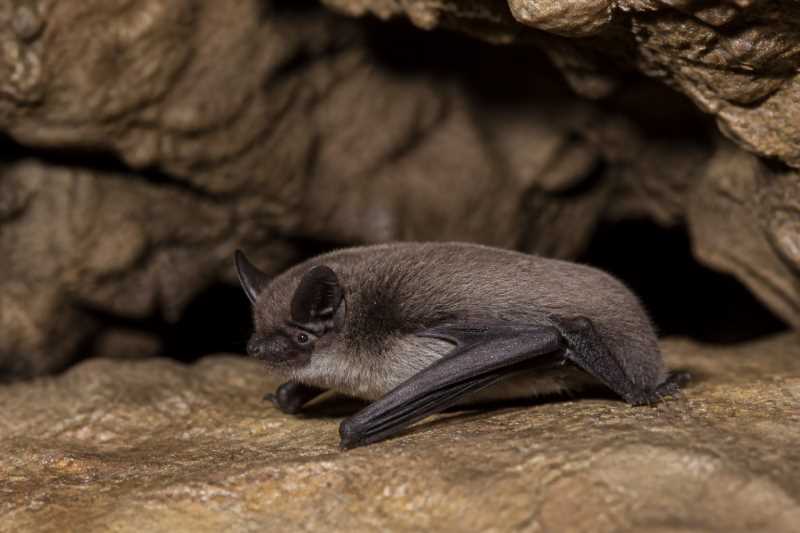
Herman’s Myotis is a small bat species, characterized by its delicate features and compact size. Adults typically weigh between 5 to 9 grams, with a wingspan ranging from 25 to 30 centimeters. The fur of Myotis hermani is a distinguishing feature, presenting a rich, dark brown hue on the dorsal side and a lighter, more muted shade on the ventral side. This coloration provides an effective camouflage against predators when roosting.
The ears of Herman’s Myotis are another notable feature, being relatively large and rounded, which aids in their echolocation abilities. The tragus, a small projection in front of the ear canal, is long and pointed, further enhancing their auditory capabilities. The wings are slender and elongated, facilitating agile flight and maneuverability in dense vegetation.
Range and Habitat
Herman’s Myotis is predominantly found in the temperate regions of Southeast Asia. Its range includes parts of Indonesia, Malaysia, and the Philippines. This species thrives in a variety of habitats, from lowland tropical forests to montane regions. It exhibits a preference for areas with abundant insect prey and suitable roosting sites, such as caves, tree hollows, and man-made structures like abandoned buildings.
The adaptability of Myotis hermani to different environments is a testament to its evolutionary success. However, the encroachment of human activities into its natural habitat poses significant threats, necessitating focused conservation efforts.
Behavior and Diet
Herman’s Myotis is primarily nocturnal, engaging in most of its activities under the cover of darkness. This nocturnal lifestyle is complemented by its echolocation abilities, allowing it to navigate and hunt efficiently. The diet of Myotis hermani consists mainly of insects, including moths, beetles, and flies, which it captures in flight.
This species exhibits a fascinating foraging behavior, often employing a strategy known as "hawking." This involves catching prey mid-air using their sharp teeth and agile flight. Additionally, Herman’s Myotis may glean insects from surfaces, showcasing its versatility as a predator.
Socially, Herman’s Myotis is known to form colonies, which can range from small groups to large aggregations, particularly in roosting sites. These colonies provide safety in numbers and facilitate social interactions crucial for mating and raising offspring.
Identification Tips (field recognition cues)
Identifying Herman’s Myotis in the field requires attention to specific physical and behavioral traits:
- Size and Coloration: Look for a small bat with dark brown dorsal fur and lighter ventral fur.
- Ear Shape: Notice the large, rounded ears with a pointed tragus.
- Flight Pattern: Observe the agile and erratic flight, often near water bodies or forest edges.
- Roosting Habits: Check for colonies in caves, tree hollows, and abandoned buildings.
These cues, combined with an understanding of their habitat preferences, can aid in the accurate identification of this species in the wild.
Conservation Status (with threats and protections)
The conservation status of Herman’s Myotis is currently classified as Near Threatened by the International Union for Conservation of Nature (IUCN). The primary threats facing this species include habitat loss due to deforestation, agricultural expansion, and urbanization. Additionally, disturbance of roosting sites and pollution are significant concerns.
Conservation efforts for Myotis hermani focus on habitat protection and restoration. Establishing protected areas and promoting sustainable land-use practices are crucial steps in safeguarding their populations. Moreover, educating local communities about the ecological importance of bats can foster a more bat-friendly environment.
Frequently Asked Questions
What is the primary diet of Herman’s Myotis?
Herman’s Myotis primarily feeds on insects, such as moths, beetles, and flies, which it captures during flight using its echolocation abilities.
How can I identify Herman’s Myotis in the wild?
Look for a small bat with dark brown dorsal fur, large rounded ears, and an agile flight pattern. They often roost in caves and abandoned structures.
What are the main threats to Herman’s Myotis?
The main threats include habitat loss due to deforestation and urbanization, as well as disturbances to their roosting sites.
Where can Herman’s Myotis be found?
Herman’s Myotis is found in Southeast Asia, particularly in Indonesia, Malaysia, and the Philippines, thriving in tropical and montane forests.
Why is Herman’s Myotis important to the ecosystem?
As insectivores, Herman’s Myotis helps control insect populations, contributing to the balance of ecosystems and reducing agricultural pests.
Related posts