Introduction
The Malaysian Whiskered Myotis, scientifically known as Myotis federatus, is a captivating bat species that inhabits the Southeast Asian region. As a member of the Vespertilionidae family, this small mammal is distinguished by its unique whiskered appearance, which plays a crucial role in its sensory perception and navigation. The Malaysian Whiskered Myotis is an integral part of the ecosystem, contributing to insect population control and maintaining ecological balance. This article delves into the various aspects of this fascinating species, including its physical description, natural habitat, behavior, and conservation status.
Physical Description
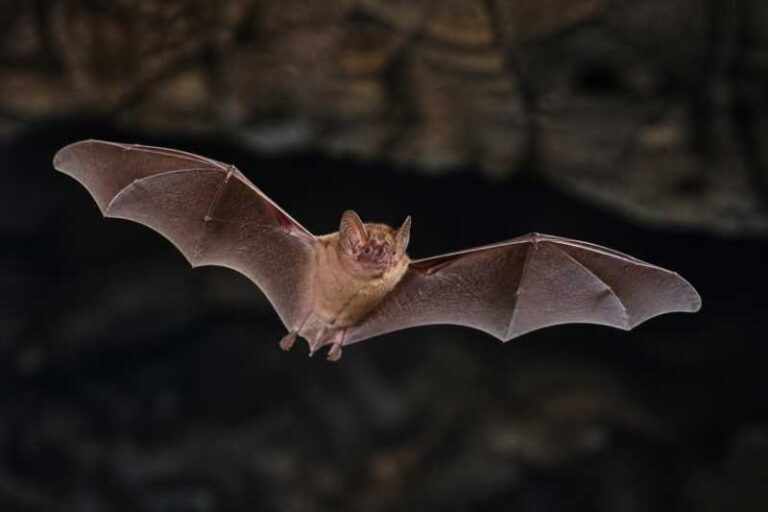
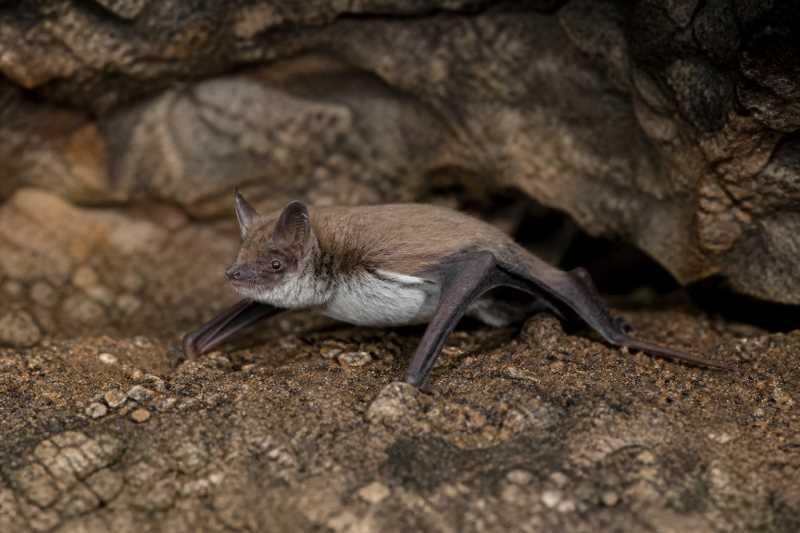
The Malaysian Whiskered Myotis is a small-sized bat, with an average wingspan ranging from 25 to 30 centimeters. The species is characterized by its soft, dense fur that varies in color from brown to gray, with a slightly lighter underbelly. One of its most distinctive features is its whiskered face, which is lined with sensory hair that aids in detecting prey and navigating through dense vegetation.
The ears of the Malaysian Whiskered Myotis are relatively large, rounded, and equipped with a pointed tragus, which enhances its echolocation abilities. Its wings are long and narrow, adapted for agile flight in forested environments. The tail, enclosed within the uropatagium—a membrane that stretches between the hind legs—assists in maneuverability and balance during flight.
Range and Habitat
The Malaysian Whiskered Myotis is predominantly found in Malaysia, with some populations extending into neighboring regions such as Thailand, Indonesia, and Borneo. This species favors a range of habitats, from lowland rainforests and mangroves to montane forests at elevations of up to 1,500 meters.
These bats are highly adaptable and can thrive in various environmental conditions. They often roost in caves, tree hollows, and man-made structures, forming colonies that range from a few individuals to several hundred. The availability of water bodies, such as rivers and streams, is crucial for their survival, as these areas provide abundant insect prey.
Behavior and Diet
The Malaysian Whiskered Myotis is primarily nocturnal, emerging at dusk to forage for food. Its diet consists mainly of insects, including moths, beetles, and flies, which are captured mid-flight using echolocation. The bat emits high-frequency sound waves that bounce off objects and return as echoes, enabling it to detect the size, shape, and distance of its prey.
Socially, the Malaysian Whiskered Myotis is known for its complex vocalizations, which are used for communication within colonies. These bats exhibit a range of social behaviors, including grooming, mating, and territorial defense. During the day, they rest in roosts that provide protection from predators and harsh weather conditions.
Identification Tips (Field Recognition Cues)
Identifying the Malaysian Whiskered Myotis in the field can be challenging due to its small size and nocturnal habits. However, there are several key features to look for:
- Whiskered Appearance: The presence of sensory whiskers on the face is a distinguishing trait.
- Flight Pattern: Observe the bat’s agile and erratic flight, typical of insectivorous bats.
- Echolocation Calls: Use a bat detector to listen for the species’ specific frequency range.
- Roosting Habits: Look for colonies in caves, tree hollows, or under bridges.
Conservation Status (With Threats and Protections)
The Malaysian Whiskered Myotis is currently classified as "Near Threatened" by the International Union for Conservation of Nature (IUCN). Several factors contribute to its declining population, including habitat loss, deforestation, and disturbance of roosting sites.
Conservation efforts are crucial to protect this species. Preserving natural habitats, implementing sustainable forestry practices, and protecting roosting sites are vital measures. Additionally, raising public awareness about the importance of bat conservation can aid in safeguarding the Malaysian Whiskered Myotis and other bat species.
Frequently Asked Questions
Why is this species unique?
The Malaysian Whiskered Myotis is unique due to its distinct whiskered face, which enhances its sensory perception. This feature, coupled with its echolocation abilities, allows it to effectively navigate and hunt in dense forest environments.
What threats does the Malaysian Whiskered Myotis face?
The main threats to the Malaysian Whiskered Myotis include habitat destruction due to deforestation, disturbance of roosting sites, and environmental pollution. These factors contribute to the species’ declining numbers and highlight the need for conservation efforts.
How can we help conserve this species?
Conservation efforts for the Malaysian Whiskered Myotis include protecting natural habitats, establishing protected areas, and promoting sustainable land-use practices. Public education and awareness campaigns can also play a significant role in encouraging conservation actions.
What role does this bat play in the ecosystem?
As an insectivorous bat, the Malaysian Whiskered Myotis plays a crucial role in controlling insect populations, thus contributing to pest management and maintaining ecological balance. Its presence indicates a healthy, functioning ecosystem.
Related posts