Introduction
The Western Small-footed Myotis (Myotis ciliolabrum) is a fascinating and often overlooked species of bat native to North America. Known for its diminutive size and distinctive physical characteristics, this bat plays a crucial role in its ecosystem as a predator of nocturnal insects. As urbanization and environmental changes continue to pose challenges to wildlife, understanding the behavior, habitat, and conservation needs of this species is more important than ever.
Bats, in general, are vital to maintaining ecological balance. They contribute to insect population control, seed dispersal, and pollination. The Western Small-footed Myotis, although smaller and less conspicuous than many of its bat relatives, is no exception. In this article, we will explore various aspects of this intriguing mammal, including its physical attributes, habitat preferences, behavior, and the challenges it faces in the wild.
Physical Description
The Western Small-footed Myotis is aptly named for its petite stature. Adults typically weigh between 4 to 5 grams and have a wingspan ranging from 22 to 25 centimeters. The body length is about 8 to 9 centimeters, making this species one of the smaller bats in North America.
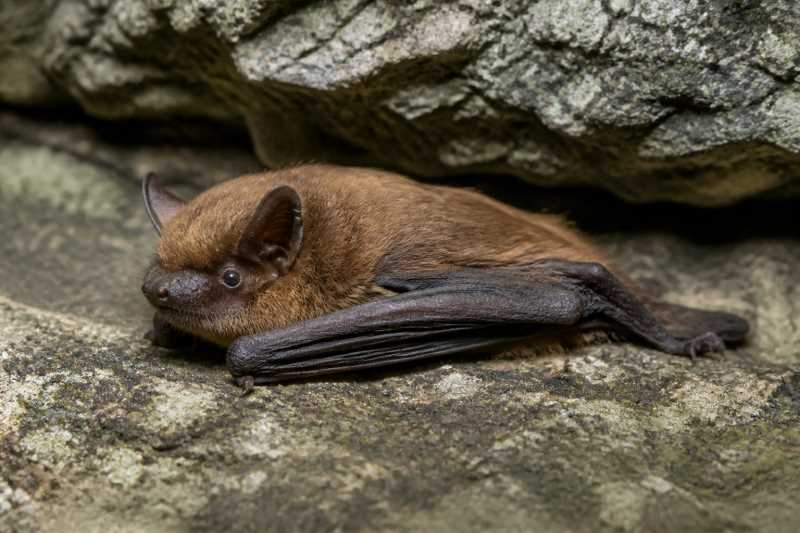
This bat exhibits a distinctive coloration pattern, with a pale, yellowish-brown dorsal side and a whitish or light gray ventral side. The ears are relatively large and rounded, complementing a short, blunt tragus—a small projection in the ear. The species’ most notable feature, as suggested by its name, is its small feet, which are covered with sparse hair.
The Western Small-footed Myotis has a keen sense of hearing, essential for echolocation—a biological sonar used to navigate and locate prey in the dark. Their dental structure is adapted for a diet primarily consisting of insects, featuring sharp and pointed teeth ideal for crunching through exoskeletons.
Range and Habitat
The Western Small-footed Myotis is predominantly found in the western regions of North America. Its range extends from southern British Columbia in Canada through the western United States, including states like Montana, Wyoming, Colorado, and as far south as Texas and New Mexico.
This bat species prefers arid and semi-arid habitats, often residing in rocky outcrops, canyons, and desert scrublands. It is also known to inhabit forests, particularly in areas where there are abundant rock crevices or man-made structures like old buildings, mines, and bridges that provide suitable roosting sites.
Roosting sites are critical for the survival of the Western Small-footed Myotis, as they provide shelter from predators and harsh weather conditions. During the day, these bats seek refuge in crevices, caves, or under loose bark, emerging at dusk to forage for food.
Behavior and Diet
The Western Small-footed Myotis is nocturnal, engaging in most of its activities during the night. As a solitary forager, it is known for its unique flying patterns and agility, which enable it to catch prey mid-air. These bats primarily feed on a diet of small insects, including moths, beetles, and other flying arthropods.
Echolocation is a vital tool for the Western Small-footed Myotis. By emitting high-frequency sounds and listening to the echoes that bounce back, these bats can detect the size, shape, and distance of objects, helping them locate and capture prey with remarkable precision.
During the winter months, when insect availability decreases, the Western Small-footed Myotis enters a state of torpor or hibernation. This allows them to conserve energy until the warmer months return. Hibernation typically occurs in caves or other secluded areas where temperatures remain stable.
Identification Tips (field recognition cues)
Identifying the Western Small-footed Myotis in the field can be challenging due to its small size and the presence of similar species. However, there are several key features to look for:
- Size and Coloration: Look for a small bat with a wingspan of 22-25 cm and a weight of 4-5 grams. The fur is pale yellowish-brown on the back and lighter underneath.
- Ear Shape: The ears are large and rounded with a short, blunt tragus.
- Foot Size: As the name suggests, the feet are notably small and sparsely haired.
- Flight Patterns: Observe the bat’s flight. The Western Small-footed Myotis has a fluttering flight pattern and is known to fly close to the ground or vegetation while hunting.
Conservation Status (with threats and protections)
The conservation status of the Western Small-footed Myotis is currently listed as "Least Concern" by the International Union for Conservation of Nature (IUCN). However, this does not mean the species is free from threats.
Threats:
- Habitat Destruction: Urban development, mining activities, and deforestation lead to the loss of suitable roosting sites.
- Pesticide Use: The widespread use of pesticides reduces insect populations, which are the primary food source for these bats.
- Climate Change: Changes in temperature and precipitation patterns can impact the availability of food and roosting sites.
Protections:
- Protected Areas: Many habitats where the Western Small-footed Myotis resides are within protected national parks and reserves.
- Regulations: Some regions have implemented regulations to preserve natural habitats and promote bat-friendly practices.
- Public Awareness: Efforts to educate the public about the ecological importance of bats and the need for conservation are ongoing.
Frequently Asked Questions
What is the primary diet of the Western Small-footed Myotis?
The Western Small-footed Myotis primarily feeds on small flying insects, including moths, beetles, and other arthropods. They use echolocation to detect and capture prey.
Where do Western Small-footed Myotis bats roost during the day?
During the day, Western Small-footed Myotis bats seek refuge in rock crevices, caves, under loose bark, or in man-made structures like old buildings and bridges.
How does climate change affect the Western Small-footed Myotis?
Climate change can alter the availability of food and suitable roosting sites for the Western Small-footed Myotis. Changes in temperature and precipitation patterns may also disrupt their hibernation cycle.
Are Western Small-footed Myotis bats endangered?
Currently, the Western Small-footed Myotis is not considered endangered and is listed as "Least Concern" by the IUCN. However, they do face threats from habitat destruction and pesticide use.
How can I help conserve the Western Small-footed Myotis?
Supporting conservation efforts, reducing pesticide use, and promoting bat-friendly environments in your community are ways to help conserve the Western Small-footed Myotis and other bat species.
Related posts