Oaxacan Big-toothed Deermouse (Megadontomys cryophilus)
Introduction
The Oaxacan Big-toothed Deermouse, scientifically known as Megadontomys cryophilus, is a fascinating mammal species that holds significant ecological importance. Despite its relatively obscure presence in popular media, this species is crucial for understanding the biodiversity and ecological dynamics of its native habitats. Primarily found in the mountainous regions of Oaxaca, Mexico, the Oaxacan Big-toothed Deermouse is an excellent example of the unique adaptations mammals can develop in response to their environments.
Physical Description
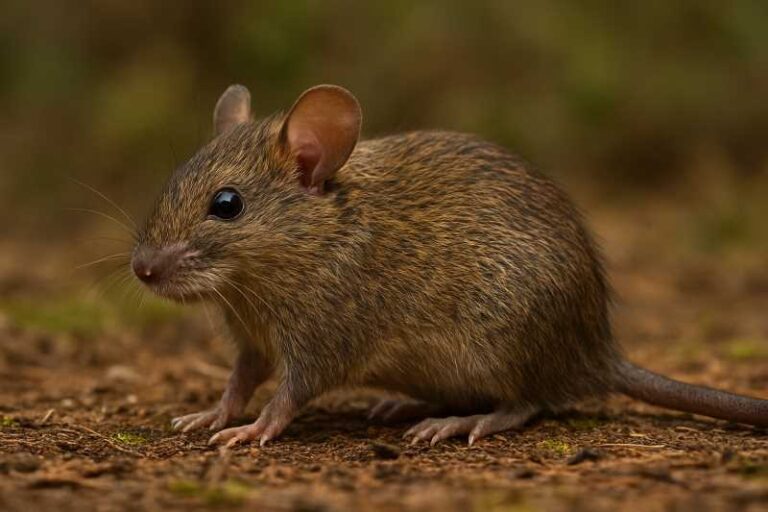
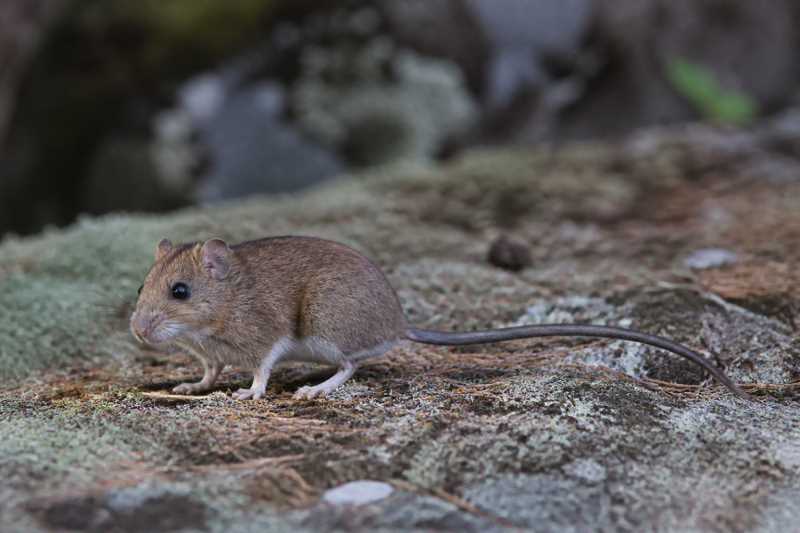
The Oaxacan Big-toothed Deermouse is characterized by its distinctively large incisors, which are a key feature of its genus, Megadontomys. The species typically has a body length ranging from 12 to 15 centimeters, with a tail that adds another 10 to 13 centimeters. Its fur is generally soft and dense, providing insulation against the cooler temperatures of its high-altitude habitats. The coloration of the fur varies from grayish-brown on the dorsal side to a lighter, often white or cream, underside. Its large eyes and ears are adaptations for nocturnal activity, aiding in effective navigation and foraging under low-light conditions.
Range and Habitat
The Oaxacan Big-toothed Deermouse is endemic to the Sierra Madre de Oaxaca in southern Mexico. It thrives in montane cloud forests, which are characterized by high humidity, frequent cloud cover at the canopy level, and a rich diversity of flora and fauna. These forests are typically found at elevations between 1,500 to 3,000 meters above sea level. The species is well adapted to the cool, moist climate of these regions and relies heavily on the availability of dense vegetation for both food resources and shelter.
Behavior and Diet
Primarily nocturnal, the Oaxacan Big-toothed Deermouse is most active during the night when it forages for food. Its diet consists mainly of seeds, fruits, and small invertebrates, reflecting its omnivorous feeding habits. This dietary flexibility allows it to adapt to seasonal variations in food availability. The species is solitary, with individuals maintaining distinct territories that they defend from intruders. These territories are marked using scent glands, and the deermouse employs various vocalizations and physical displays to communicate and ward off competitors.
Identification Tips (Field Recognition Cues)
Recognizing the Oaxacan Big-toothed Deermouse in the field requires attention to several key features:
- Large Incisors: As its name suggests, the species has notably large front teeth, which are visible even when the mouth is closed.
- Size and Coloration: Look for a medium-sized mouse with a distinctive two-tone fur pattern—grayish-brown on top and lighter underneath.
- Tail Length: The tail is almost as long as the body, covered in sparse hairs, and aids in balance.
- Habitat: This species is typically found in montane cloud forests; spotting one outside this habitat is rare.
- Behavior: Nocturnal activity patterns and solitary behavior are also indicative.
Conservation Status (with Threats and Protections)
The Oaxacan Big-toothed Deermouse is currently classified as "Near Threatened" by the International Union for Conservation of Nature (IUCN). The primary threat to this species is habitat loss due to deforestation and agricultural expansion. Cloud forests, which are the natural habitat of this deermouse, are undergoing significant reduction due to logging and land conversion. Climate change poses an additional risk by altering the delicate balance of these ecosystems, potentially leading to changes in vegetation and microclimates that the species may not be able to adapt to quickly enough.
Conservation efforts are focused on habitat preservation and restoration. Protected areas have been established in some regions of the Sierra Madre de Oaxaca, aiming to safeguard the remaining cloud forests. Furthermore, initiatives to promote sustainable land use practices are being implemented, encouraging local communities to engage in conservation efforts.
Frequently Asked Questions
1. What is the primary diet of the Oaxacan Big-toothed Deermouse?
The Oaxacan Big-toothed Deermouse primarily feeds on seeds, fruits, and small invertebrates. This diverse diet allows it to adapt to seasonal changes in food availability.
2. Where can you find the Oaxacan Big-toothed Deermouse?
This species is endemic to the Sierra Madre de Oaxaca in southern Mexico, specifically thriving in montane cloud forests at elevations between 1,500 to 3,000 meters.
3. What are the main threats to the Oaxacan Big-toothed Deermouse?
The main threats include habitat loss due to deforestation and agricultural expansion, as well as climate change, which impacts the delicate balance of their cloud forest ecosystems.
4. How can you identify the Oaxacan Big-toothed Deermouse in the wild?
Look for large incisors, a medium-sized body with grayish-brown and light fur, a long tail, and nocturnal behavior, typically within montane cloud forests.
5. Is the Oaxacan Big-toothed Deermouse currently protected?
Yes, conservation efforts are in place, including protected areas and sustainable land use initiatives, to help preserve the natural habitats of the Oaxacan Big-toothed Deermouse.
Related posts