Fujian Tube-nosed Bat (Murina rubella): A Comprehensive Overview
Introduction
The Fujian Tube-nosed Bat, scientifically known as Murina rubella, is a fascinating species of bat endemic to the lush forests of East Asia. This mammal, distinguished by its distinctive nasal structure, plays a crucial role in its ecosystem. As a member of the Vespertilionidae family, the Fujian Tube-nosed Bat contributes to insect population control, aiding in the balance of its natural habitat. Despite its ecological significance, this bat species remains relatively understudied. This article endeavors to shed light on the Fujian Tube-nosed Bat’s physical attributes, habitat preferences, behaviors, and conservation challenges.
Physical Description
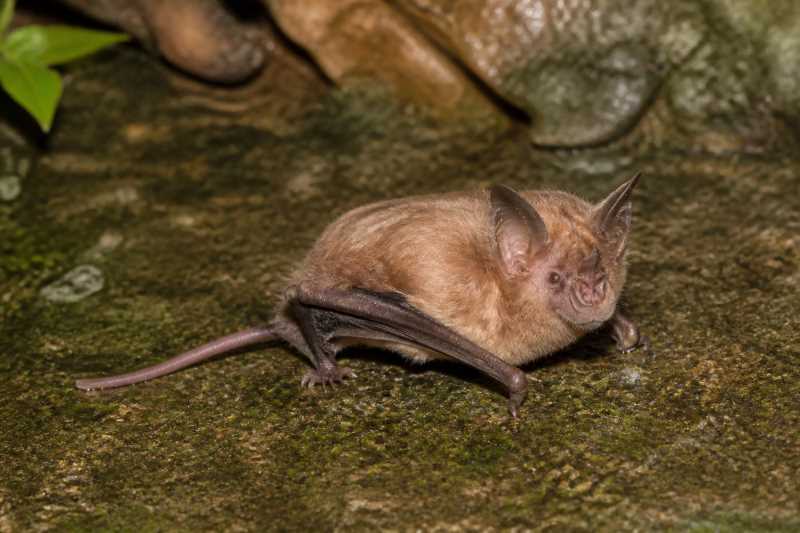
The Fujian Tube-nosed Bat is characterized by its small size and unique nasal features. Adult bats typically weigh between 5 to 8 grams and have a wingspan ranging from 25 to 30 centimeters. The fur of Murina rubella is soft and dense, usually exhibiting a reddish-brown hue that provides excellent camouflage among the foliage of its forest habitat.
A defining feature of this bat is its tube-shaped nostrils, which protrude slightly from its snout. These tubular extensions are believed to aid in echolocation, allowing the bat to navigate and hunt with precision in dense forest environments. The ears of the Fujian Tube-nosed Bat are moderately sized, rounded, and covered in fine hair, enhancing its auditory capabilities.
Range and Habitat
The Fujian Tube-nosed Bat is primarily found in the subtropical and tropical forests of Fujian Province in southeastern China. Its range may extend into neighboring regions, but comprehensive studies on its full distribution are limited. This bat species thrives in dense, humid forests where it can roost in the foliage and forage for insects.
The preferred habitat of Murina rubella includes areas with abundant vegetation and a rich diversity of insect life. These environments not only provide ample food sources but also offer shelter and protection from predators. Roosting sites are typically found in tree hollows, dense underbrush, or among the leaves of large trees.
Behavior and Diet
The Fujian Tube-nosed Bat is a nocturnal mammal, exhibiting peak activity during the twilight hours of dawn and dusk. It employs echolocation to navigate and hunt, emitting high-frequency sound waves that bounce off objects and return as echoes. This sophisticated auditory system allows the bat to detect and capture flying insects with remarkable accuracy.
The diet of Murina rubella primarily consists of small insects, including moths, beetles, and mosquitoes. Its role as an insectivore is vital in regulating insect populations, preventing overpopulation, and reducing the spread of crop-damaging pests. During the day, the bat rests in secluded roosts to conserve energy for nighttime foraging.
Identification Tips (Field Recognition Cues)
Identifying the Fujian Tube-nosed Bat in the field requires careful observation of several key characteristics:
- Nasal Structure: Look for the distinctive tube-like nostrils that are unique to this species.
- Fur Coloration: Observe the reddish-brown fur, which is noticeably softer and denser than that of other bat species.
- Size and Weight: Note the small size and light weight, typically between 5 to 8 grams.
- Wing Shape: The wings are relatively short and broad, adapted for maneuverability in dense forest environments.
- Echolocation Calls: Use a bat detector to identify the high-frequency echolocation calls specific to Murina rubella.
Conservation Status (with threats and protections)
The Fujian Tube-nosed Bat is currently classified as Near Threatened on the IUCN Red List of Threatened Species. The primary threats to its survival include habitat loss due to deforestation, agricultural expansion, and urban development. As forests are cleared for human activities, the bat loses essential roosting and foraging grounds.
Conservation efforts are underway to protect the remaining habitats of Murina rubella. These include establishing protected areas, promoting sustainable forestry practices, and conducting research to better understand the species’ ecology and distribution. Public awareness campaigns are also crucial in highlighting the bat’s ecological importance and the need for its preservation.
Frequently Asked Questions
What do Fujian Tube-nosed Bats eat?
Fujian Tube-nosed Bats primarily feed on insects, including moths, beetles, and mosquitoes. Their diet helps control insect populations in their habitat.
Where can Fujian Tube-nosed Bats be found?
These bats are mainly found in the subtropical and tropical forests of Fujian Province, southeastern China, with potential ranges extending to nearby regions.
How do Fujian Tube-nosed Bats navigate?
The bats use echolocation, emitting high-frequency sound waves that bounce off objects and return as echoes, enabling them to navigate and hunt in dense forests.
What are the main threats to Fujian Tube-nosed Bats?
Habitat loss due to deforestation, agriculture, and urban development are the main threats, leading to decreased roosting and foraging areas for these bats.
How can we help conserve Fujian Tube-nosed Bats?
Supporting conservation initiatives, promoting sustainable forestry, and raising awareness about the bats’ ecological role are vital steps in their conservation.
Related posts