Milin Tube-nosed Bat (Murina milinensis)
Introduction
The Milin Tube-nosed Bat, scientifically known as Murina milinensis, is a fascinating mammal species that has captured the attention of bat enthusiasts and researchers alike. This species is noted for its distinctive appearance and unique ecological niche. Discovered relatively recently, the Milin Tube-nosed Bat has become an important subject of study in the field of chiropterology, the branch of zoology that deals with bats. This article delves into the various aspects of the Milin Tube-nosed Bat, including its physical description, habitat, behavior, diet, and conservation status.
Physical Description
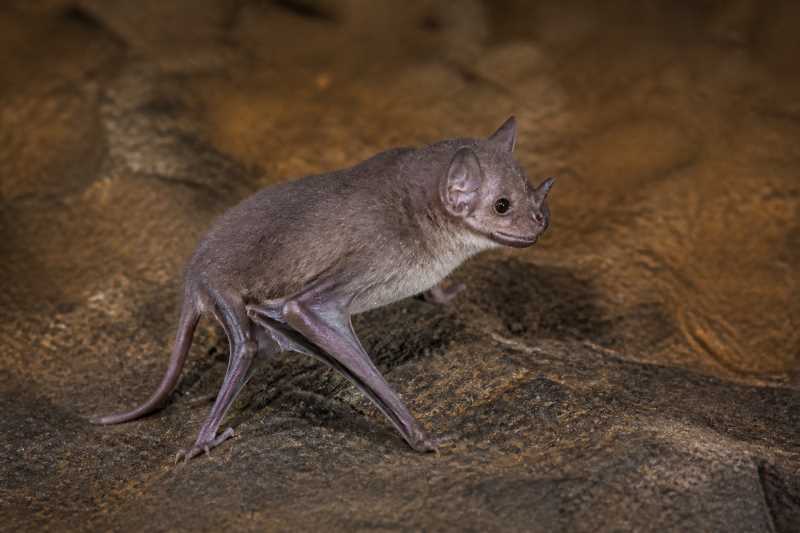
The Milin Tube-nosed Bat is characterized by its small size and distinctive morphological features. Adults typically weigh between 4 to 8 grams and have a forearm length of approximately 30 to 40 millimeters. The most striking feature of this species is its tube-shaped nostrils, which protrude from either side of the nose. These tubular nostrils are believed to aid in echolocation, allowing the bat to navigate and hunt efficiently in its environment.
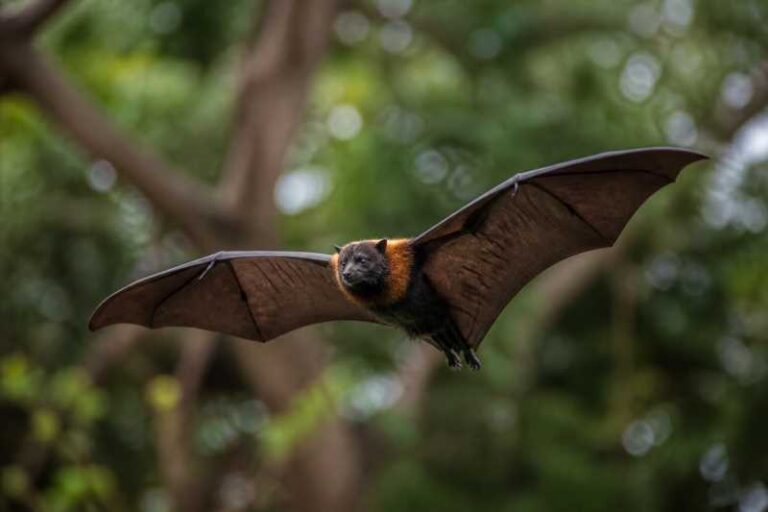
The fur of the Milin Tube-nosed Bat is soft and dense, providing insulation against the cooler temperatures of its mountainous habitat. The coloration is generally a mix of gray and brown, providing excellent camouflage against tree bark and foliage. The wings are long and narrow, adapted for agile flight through dense forest canopies.
Range and Habitat
The Milin Tube-nosed Bat is endemic to certain regions of Southeast Asia, particularly in parts of China and Vietnam. It is primarily found in subtropical and tropical forest ecosystems at elevations ranging from 800 to 1,500 meters above sea level. These habitats are characterized by dense vegetation, abundant insect life, and a network of caves and tree hollows that serve as roosting sites.
Due to its specialized habitat requirements, the distribution of the Milin Tube-nosed Bat is limited to areas that have remained relatively undisturbed by human activity. This has made the species vulnerable to habitat loss due to deforestation and other anthropogenic pressures.
Behavior and Diet
The Milin Tube-nosed Bat is a nocturnal species, emerging at dusk to forage for food. Its diet primarily consists of insects, which it captures in flight using echolocation. The bat’s tube-shaped nostrils are thought to play a crucial role in directing sound waves, enhancing its ability to detect prey in the dense forest environment.
Social behavior in the Milin Tube-nosed Bat is not well-documented, but it is believed to roost in small groups. These communal roosts provide protection from predators and harsh weather conditions. During the day, the bats rest in tree hollows, caves, or under dense foliage, where they remain hidden from potential threats.
Identification Tips (Field Recognition Cues)
Identifying the Milin Tube-nosed Bat in the field can be challenging due to its elusive nature and the dense habitats it occupies. However, several key features can aid in recognition:
- Tube-shaped Nostrils: Look for the characteristic tubular nostrils, which are unique among bats in the region.
- Size and Fur: Note the small size and dense, gray-brown fur.
- Flight Pattern: Observe the bat’s agile flight, often close to the canopy where it hunts for insects.
- Roosting Habits: Check for small groups roosting in tree hollows or caves during the day.
Conservation Status (With Threats and Protections)
The conservation status of the Milin Tube-nosed Bat is currently listed as "Data Deficient" by the International Union for Conservation of Nature (IUCN). This classification highlights the need for further research to determine population sizes and trends. However, the species is believed to be at risk due to several factors:
- Habitat Loss: Deforestation for agriculture and urban development poses a significant threat to the bat’s natural habitat.
- Climate Change: Alterations in climate patterns can affect the availability of prey and suitable roosting sites.
- Pollution: Pesticides and other pollutants can reduce insect populations, impacting the bat’s food supply.
Conservation efforts are focused on protecting and restoring forest habitats, as well as conducting research to better understand the species’ ecology and behavior. Protected areas and national parks in the bat’s range play a crucial role in preserving its habitat.
Frequently Asked Questions
What is the Milin Tube-nosed Bat’s primary diet?
The Milin Tube-nosed Bat primarily feeds on insects. It uses echolocation to detect and capture prey in flight, often hunting near the forest canopy where insect activity is high.
Where can the Milin Tube-nosed Bat be found?
This species is found in subtropical and tropical forests of Southeast Asia, particularly in China and Vietnam, at elevations between 800 and 1,500 meters above sea level.
How does the Milin Tube-nosed Bat use its tube-shaped nostrils?
The tube-shaped nostrils are believed to enhance the bat’s echolocation abilities, helping it to navigate and hunt effectively in dense forest environments.
What are the main threats to the Milin Tube-nosed Bat?
The main threats include habitat loss due to deforestation, climate change affecting prey availability, and pollution impacting insect populations.
How can the Milin Tube-nosed Bat be protected?
Conservation efforts include protecting forest habitats, establishing protected areas, and conducting research to better understand the species’ ecological needs.
Related posts