Introduction
The Yadong Tube-nosed Bat, scientifically known as Murina yadongensis, is an intriguing species of bat that captures the curiosity of both researchers and nature enthusiasts. This lesser-known mammal belongs to the family Vespertilionidae, a diverse group commonly referred to as the evening bats or vesper bats. The Yadong Tube-nosed Bat is particularly notable for its unique morphological features and its specialized ecological niche. This article delves into the various aspects of this fascinating species, including its physical description, habitat, behavior, and conservation status.
Physical Description
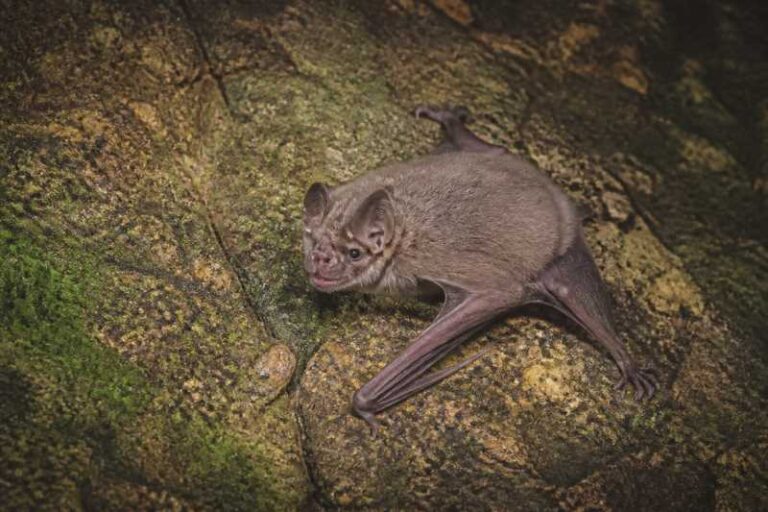
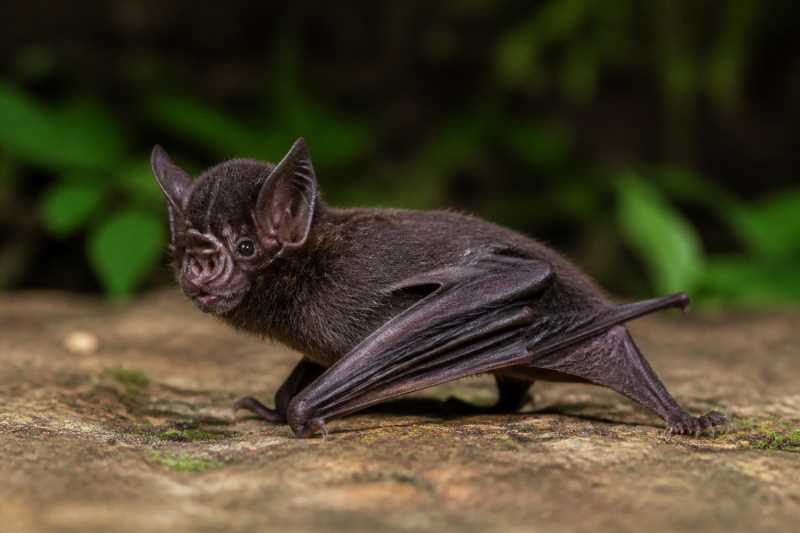
The Yadong Tube-nosed Bat is a small-sized bat, distinguished by its remarkable nose-leaf structure. As its name suggests, this bat features tube-like nostrils that protrude from its face, a characteristic trait of the genus Murina. These tubular nostrils are believed to assist in echolocation, aiding the bat in navigating and hunting in dense foliage.
The fur of the Yadong Tube-nosed Bat is typically a mix of brown and gray hues, providing excellent camouflage against the forest canopy. The bat’s underbelly is usually lighter in color, ranging from pale gray to off-white. Its wings are relatively broad, allowing for agile flight through complex environments such as forests.
With a body length of approximately 4-5 cm and a wingspan of around 25 cm, the Yadong Tube-nosed Bat is a small but agile creature. Its ears are moderately sized, rounded, and equipped with a tragus, a small projection that aids in sound reception.
Range and Habitat
The Yadong Tube-nosed Bat is primarily found in parts of Asia, with confirmed sightings in regions such as Yadong County in Tibet, which is also the source of its scientific name. The bat’s range is believed to extend into adjacent areas, including parts of China and possibly northern India, although comprehensive range mapping is still a subject of ongoing research.
This species favors subtropical and tropical forest habitats, particularly those with dense vegetation and ample roosting sites. It is often found in montane forests, where the thick canopy provides protection from predators and harsh weather conditions. These habitats not only offer abundant food sources but also the necessary environment for the bat’s roosting and breeding activities.
Behavior and Diet
The Yadong Tube-nosed Bat is predominantly nocturnal, emerging at dusk to begin its foraging activities. It exhibits a crepuscular feeding pattern, which means it is most active during the twilight hours of dawn and dusk. The bat’s diet primarily consists of insects, making it an insectivorous species. It employs echolocation to detect and capture prey, using its highly specialized nose-leaf structure to emit and receive ultrasonic sound waves.
This species is known for its maneuverable flight, which allows it to navigate through dense forests with ease. It typically feeds on moths, beetles, and other flying insects, contributing to the ecological balance by controlling insect populations.
Socially, the Yadong Tube-nosed Bat exhibits solitary or small group behaviors. Roosting sites are often located in tree hollows, caves, or abandoned bird nests, providing safety and seclusion.
Identification Tips (Field Recognition Cues)
Identifying the Yadong Tube-nosed Bat in the field requires attention to several key features. Observers should look for:
- Nose-leaf Structure: The distinctive tubular nostrils are a hallmark of the species.
- Fur Coloration: A mix of brown and gray with a lighter underbelly aids in recognizing this bat from others.
- Flight Pattern: Agile and maneuverable flight in forested areas, typically at twilight.
- Size: Small body size with a wingspan of about 25 cm.
Field observers should employ bat detectors to listen for the bat’s unique echolocation calls, which can aid in positive identification.
Conservation Status (with Threats and Protections)
The Yadong Tube-nosed Bat is currently listed as "Data Deficient" by the International Union for Conservation of Nature (IUCN), primarily due to limited research and data on its population status and distribution. However, like many bat species, it faces several threats that could impact its survival, including habitat destruction, pesticide use, and human disturbances.
Habitat loss due to deforestation and land conversion for agriculture poses a significant threat to the Yadong Tube-nosed Bat. The degradation of forest habitats reduces available roosting and foraging sites, making it challenging for the species to thrive.
Pesticide use in agricultural areas can also have detrimental effects, as it reduces the availability of insect prey and introduces toxic chemicals into the bat’s food chain.
Conservation efforts for this species are currently hampered by the lack of comprehensive data. However, protecting forest habitats and promoting sustainable land-use practices are critical measures that could benefit this and other bat species.
Frequently Asked Questions
What is the significance of the tube-nosed feature in Yadong Tube-nosed Bats?
The tube-nosed feature is significant for echolocation, allowing the bat to emit and receive ultrasonic sound waves with precision. This adaptation is crucial for navigating and hunting in dense forest environments.
Where can Yadong Tube-nosed Bats be found?
Yadong Tube-nosed Bats are primarily found in parts of Asia, particularly in regions such as Yadong County in Tibet and possibly extending into nearby areas of China and northern India. They inhabit subtropical and tropical forests.
Are Yadong Tube-nosed Bats endangered?
Currently, the Yadong Tube-nosed Bat is listed as "Data Deficient" by the IUCN due to limited research on its population and distribution. However, habitat loss and pesticide use pose potential threats to its survival.
How do Yadong Tube-nosed Bats contribute to their ecosystem?
As insectivorous mammals, Yadong Tube-nosed Bats play a vital role in controlling insect populations, contributing to the ecological balance in their forest habitats.
What conservation actions can help protect Yadong Tube-nosed Bats?
Protecting forest habitats and promoting sustainable land-use practices are crucial for the conservation of Yadong Tube-nosed Bats. Further research is also needed to understand their population dynamics and ecological needs.
Related posts