Mexican Funnel-eared Bat: An In-depth Look at Natalus mexicanus
Introduction
The Mexican Funnel-eared Bat, scientifically known as Natalus mexicanus, is a fascinating species of bat that belongs to the family Natalidae. Known for its distinctive funnel-shaped ears and delicate features, this nocturnal mammal plays a crucial role in the ecosystems it inhabits. Found across various regions in Mexico and parts of Central America, the Mexican Funnel-eared Bat is a subject of interest for both researchers and wildlife enthusiasts. This article delves into the physical characteristics, habitat, behavior, and conservation status of this unique bat species.
Physical Description
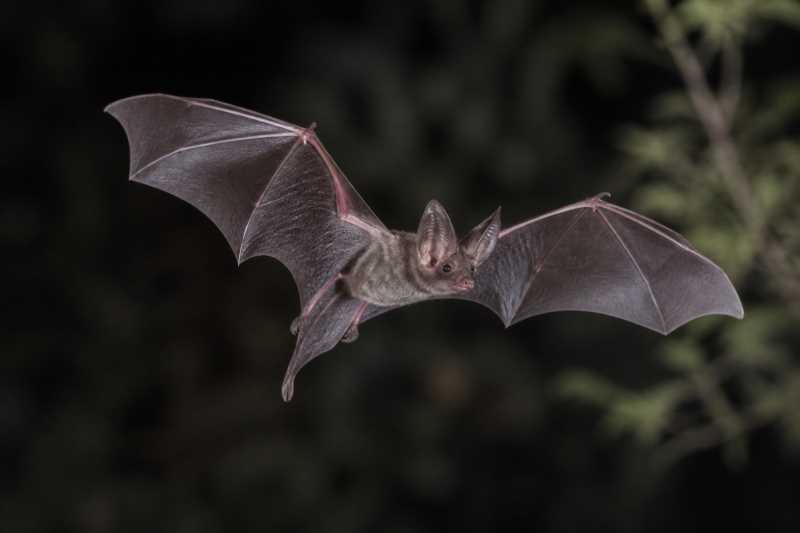
The Mexican Funnel-eared Bat is characterized by its slender build and delicate features. Adults typically weigh between 5 to 10 grams and have a wingspan ranging from 30 to 34 centimeters. One of the most striking features of this species is its large, funnel-shaped ears that are not only distinctive but also highly functional, aiding in their echolocation abilities.
The fur of the Mexican Funnel-eared Bat is generally light brown to reddish-brown, providing excellent camouflage in their natural habitats. Their wings are long and narrow, adapted for agile flight through dense vegetation. The face of the bat is marked by a protruding snout and a slightly upturned nose, which complements its excellent olfactory senses.
Range and Habitat
The Mexican Funnel-eared Bat is predominantly found in Mexico, extending into parts of Central America such as Guatemala, Honduras, and Nicaragua. They inhabit a range of environments, from tropical and subtropical forests to dry deciduous forests and scrublands. These bats are often found roosting in caves, abandoned buildings, and hollow trees, where they can find protection from predators and harsh weather conditions.
Their preference for warm, humid environments makes them reliant on habitats that provide ample food sources and suitable roosting sites. As such, the preservation of these habitats is crucial for the survival of this species.
Behavior and Diet
The Mexican Funnel-eared Bat is primarily nocturnal, emerging from their roosts at dusk to forage for food. Their diet mainly consists of insects, which they expertly catch in flight using their finely tuned echolocation abilities. This insectivorous diet helps control insect populations, making these bats beneficial for agricultural areas plagued by pest insects.
Socially, the Mexican Funnel-eared Bat is known to form small colonies, although they can also be found roosting alone or in pairs. Communication within these colonies is facilitated through a series of vocalizations and physical gestures. These bats are also known for their agility and speed, which are essential for evading predators such as owls and snakes.
Identification Tips
Identifying the Mexican Funnel-eared Bat in the field can be challenging due to its nocturnal nature and preference for secluded roosting sites. However, there are several cues that can aid in its identification:
- Ears: Look for the characteristic funnel-shaped ears, which are much larger relative to the size of the head compared to other species.
- Fur Coloration: Note the light brown to reddish-brown fur, which can vary slightly depending on the region.
- Flight Patterns: Observe the bat’s flight patterns; they are typically agile with a fluttering style, adapted for maneuvering through dense environments.
- Roosting Habits: Check caves, hollow trees, and abandoned structures in warm, humid areas where they are likely to roost.
Conservation Status
The conservation status of the Mexican Funnel-eared Bat is currently classified as Least Concern by the International Union for Conservation of Nature (IUCN). However, this does not imply that the species faces no threats. Habitat loss due to deforestation, urbanization, and agricultural expansion poses significant risks to their populations.
In addition to habitat destruction, the use of pesticides in agriculture can reduce insect populations, diminishing the bats’ food sources. Conservation efforts are focused on habitat preservation and the establishment of protected areas to ensure the survival of these bats.
Frequently Asked Questions
Q1: What is the primary diet of the Mexican Funnel-eared Bat? A1: The Mexican Funnel-eared Bat primarily feeds on insects, using its echolocation abilities to catch them in flight. Their diet plays a crucial role in controlling insect populations.
Q2: Where can I find Mexican Funnel-eared Bats in the wild? A2: These bats are typically found in Mexico and parts of Central America. They inhabit tropical and subtropical forests, dry deciduous forests, and scrublands, often roosting in caves and hollow trees.
Q3: How does the Mexican Funnel-eared Bat contribute to the ecosystem? A3: By feeding on insects, the Mexican Funnel-eared Bat helps control insect populations, benefiting agricultural areas and maintaining ecological balance.
Q4: What are the main threats to the Mexican Funnel-eared Bat? A4: The main threats include habitat loss due to deforestation and urbanization, as well as a decrease in insect populations due to pesticide use.
Q5: How can I help in the conservation of the Mexican Funnel-eared Bat? A5: Supporting conservation organizations, advocating for habitat protection, and promoting sustainable agricultural practices can all contribute to the conservation of this species.
Related posts