Introduction
The Cuban Lesser Funnel-eared Bat, scientifically known as Chilonatalus macer, is a fascinating species that captures the interest of scientists and nature enthusiasts alike. Native to Cuba, this bat species is part of the Natalidae family, which is characterized by their unique funnel-shaped ears. These bats are not only crucial to the ecosystem for their role in insect control but also offer a glimpse into the diverse and often hidden world of nocturnal wildlife. In this article, we delve into the various aspects of the Cuban Lesser Funnel-eared Bat, exploring their physical characteristics, habitat, behaviors, and the conservation challenges they face.
Physical Description
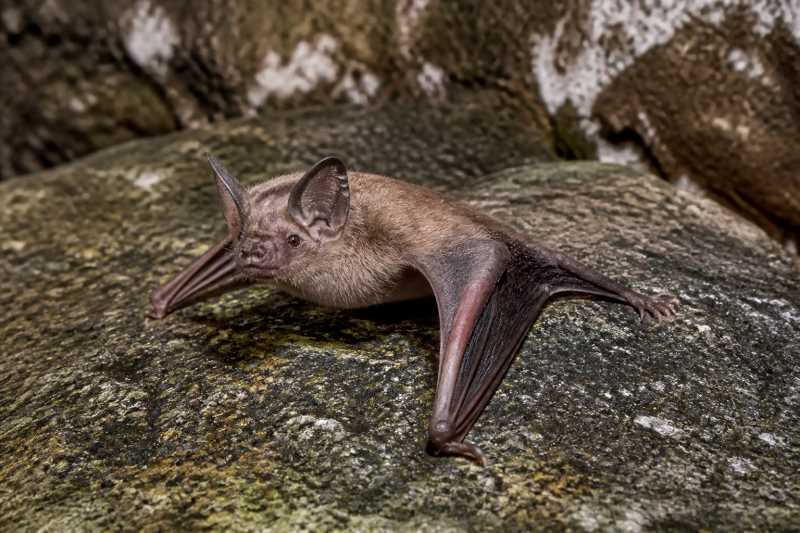
The Cuban Lesser Funnel-eared Bat is a small and delicate creature, with a body length ranging from 40 to 50 millimeters and a wingspan that extends up to 300 millimeters. Weighing in at a mere 4 to 8 grams, these bats are lightweight and agile flyers. Their most distinguishing feature is the funnel-shaped ears, which are large in comparison to their head size and aid in echolocation, allowing them to navigate and hunt in complete darkness.
The fur of the Cuban Lesser Funnel-eared Bat is typically a light brown or grayish hue, providing camouflage against the backdrop of their roosting environments. Their wings are long and narrow, designed for efficient flight and maneuverability. The tail, which extends beyond the uropatagium (the membrane between the hind limbs), is another notable feature that aids in their aerial agility.
Range and Habitat
Endemic to Cuba, the Cuban Lesser Funnel-eared Bat is primarily found in the island’s subtropical and tropical climates. They inhabit a range of environments, from dense forests to open fields, but they are most commonly found in limestone caves and other underground structures. These caves provide the ideal microclimate for the bats, offering stable temperatures and humidity levels essential for their survival.
The bats are also known to roost in abandoned buildings and structures that mimic their natural cave habitats. These locations provide safety from predators and harsh weather conditions, making them ideal roosting sites.
Behavior and Diet
The Cuban Lesser Funnel-eared Bat is a nocturnal animal, becoming active at dusk to commence its nightly foraging activities. These bats are insectivorous, primarily feeding on a diet of moths, beetles, and other flying insects. Their keen echolocation abilities allow them to detect and capture prey with remarkable precision, often snatching insects mid-flight.
Socially, these bats are known to form small colonies, with group sizes ranging from a few individuals to several dozen. They communicate with each other using a series of high-frequency calls, which are also used to navigate their environment and avoid obstacles.
Identification Tips (Field Recognition Cues)
Identifying the Cuban Lesser Funnel-eared Bat in the field requires attention to several key characteristics:
- Ear Shape: Look for the distinctive funnel-shaped ears, which are larger than the head.
- Size: Note the small size, with a body length of 40-50 mm and a wingspan of approximately 300 mm.
- Fur Color: Observe the light brown or grayish fur, which can help in camouflaging with their surroundings.
- Flight Pattern: These bats exhibit agile flight patterns, often making quick, darting movements as they hunt.
Conservation Status (With Threats and Protections)
The Cuban Lesser Funnel-eared Bat is currently classified as "Near Threatened" on the IUCN Red List. The primary threats to this species include habitat destruction, particularly the disturbance and destruction of roosting sites such as caves and abandoned buildings. Human activities, such as tourism and urban development, also pose significant risks.
Conservation efforts are focused on protecting and preserving natural habitats, as well as raising awareness about the ecological importance of bats. Legal protections are in place in some areas to safeguard caves and other critical habitats, but continued efforts are needed to ensure the long-term survival of this species.
Frequently Asked Questions
1. What is the Cuban Lesser Funnel-eared Bat’s diet?
The Cuban Lesser Funnel-eared Bat primarily feeds on insects, including moths and beetles. They use echolocation to detect and capture their prey mid-flight.
2. Where can the Cuban Lesser Funnel-eared Bat be found?
This species is endemic to Cuba and is typically found in subtropical and tropical climates, often roosting in limestone caves, abandoned buildings, and other structures.
3. How does the Cuban Lesser Funnel-eared Bat navigate in the dark?
These bats use echolocation, emitting high-frequency calls that bounce off objects and return as echoes, allowing them to navigate and hunt in complete darkness.
4. What threats do Cuban Lesser Funnel-eared Bats face?
The main threats include habitat destruction and disturbance to roosting sites due to human activities such as tourism and urban development.
5. How can we help protect the Cuban Lesser Funnel-eared Bat?
Conservation measures include protecting natural habitats, raising awareness about their ecological role, and supporting legal protections for critical roosting sites.
Related posts