Whitehead’s Woolly Bat (Kerivoula whiteheadi): A Comprehensive Guide
Introduction
Whitehead’s Woolly Bat, scientifically known as Kerivoula whiteheadi, is a fascinating species of bat within the Vespertilionidae family. Named after the British explorer and naturalist John Whitehead, this species is notable for its distinctive woolly fur and elusive nature. Found in the tropical regions of Southeast Asia, Whitehead’s Woolly Bat plays a crucial role in its ecosystem as both a pollinator and insect controller. Despite its importance, there is still much to learn about this enigmatic mammal.
Physical Description
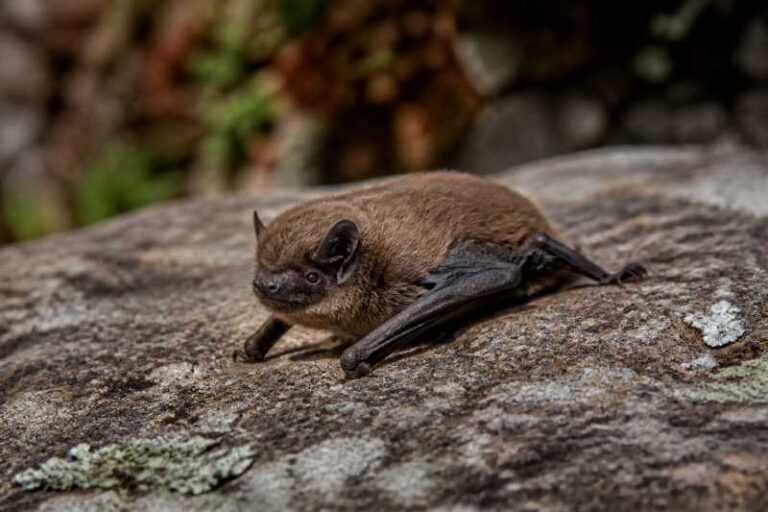
Whitehead’s Woolly Bat is a small-sized bat characterized by its dense, woolly fur, which is predominantly grayish-brown with a slightly lighter underside. This unique texture of the fur is not only an identification marker but also provides insulation in varying temperatures. The bat’s wings are narrow and long, adapted for maneuverability in dense forests.
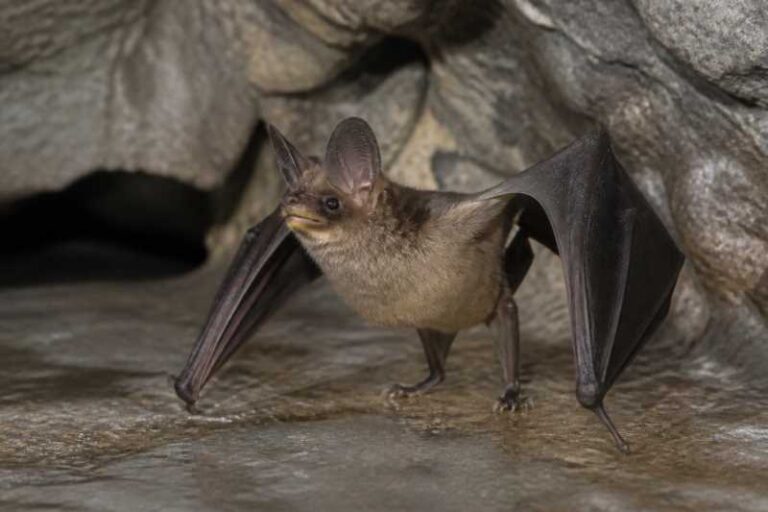
The ears of Whitehead’s Woolly Bat are relatively large compared to its head size, enabling it to utilize echolocation effectively to navigate and hunt in the dark. The presence of a tragus—a small projection inside the ear—further aids in sound reception. The face is adorned with a short, broad muzzle and small, sharp teeth suitable for an insectivorous diet.
Range and Habitat
Whitehead’s Woolly Bat is predominantly found in the tropical and subtropical regions of Southeast Asia. Its range extends across countries such as Malaysia, the Philippines, and parts of Indonesia. This species thrives in primary and secondary forests, particularly in areas with dense foliage that provide ample cover and abundant insect prey.
Within these forests, Whitehead’s Woolly Bat often roosts in tree hollows, under large leaves, and occasionally in caves. The selection of roosting sites is crucial for protection from predators and environmental elements. Due to its reliance on forested habitats, deforestation poses a significant threat to its survival.
Behavior and Diet
Whitehead’s Woolly Bat is nocturnal, with most of its activities occurring at night. It emerges from its roost at dusk to forage, utilizing echolocation to detect and capture prey. The diet of this bat consists mainly of insects, including moths, beetles, and mosquitoes, contributing to the control of insect populations in its habitat.
In addition to its insectivorous diet, Whitehead’s Woolly Bat may also play a role in pollination, as it occasionally visits flowering plants. Socially, it is generally solitary or found in small groups, with limited interaction outside of mating periods. Communication among individuals is primarily through sound, including various calls used for mating and territory defense.
Identification Tips (Field Recognition Cues)
Identifying Whitehead’s Woolly Bat in the wild involves observing several key characteristics:
- Fur Texture: Look for dense, woolly fur that is grayish-brown in color.
- Ear Size: Note the relatively large ears with a prominent tragus.
- Flight Pattern: Observe its agile and maneuverable flight, typical of forest-dwelling bats.
- Roosting Habits: Check tree hollows or under large leaves during the day for roosting bats.
- Echolocation Calls: Use bat detectors to identify its high-frequency calls, which are distinct among bats in its range.
Conservation Status (with Threats and Protections)
Whitehead’s Woolly Bat is currently listed as Near Threatened on the IUCN Red List, primarily due to habitat loss driven by deforestation and land conversion for agriculture. The reduction of forested areas significantly impacts its ability to find suitable roosting and foraging sites.
Conservation efforts are crucial to preserving the habitats of Whitehead’s Woolly Bat. Protected areas and national parks within its range offer some level of security, but more extensive measures are needed. Environmental organizations are working to raise awareness about the importance of forest conservation and the role of bats in ecosystems.
Threats:
- Deforestation: Logging and land conversion reduce habitat availability.
- Agricultural Expansion: Farming activities encroach on forested areas.
- Climate Change: Altered weather patterns affect insect populations and bat habitats.
Protections:
- Protected Areas: Presence in national parks and reserves provides some habitat security.
- Conservation Programs: Initiatives to protect forested regions and promote biodiversity.
Frequently Asked Questions
What is the primary diet of Whitehead’s Woolly Bat?
Whitehead’s Woolly Bat primarily feeds on insects such as moths, beetles, and mosquitoes, playing a vital role in controlling pest populations.
Where can Whitehead’s Woolly Bat be found?
This species is found in the tropical and subtropical forests of Southeast Asia, including Malaysia, the Philippines, and parts of Indonesia.
How does Whitehead’s Woolly Bat navigate in the dark?
Whitehead’s Woolly Bat uses echolocation, emitting high-frequency calls that bounce off objects and return as echoes, allowing it to navigate and hunt efficiently at night.
What are the main threats to Whitehead’s Woolly Bat?
The primary threats include habitat loss due to deforestation, agricultural expansion, and climate change, which all contribute to the decline in suitable living conditions for the bat.
How can we help protect Whitehead’s Woolly Bat?
Supporting forest conservation efforts, promoting sustainable land-use practices, and raising awareness about the ecological importance of bats can help protect this species.
Related posts