Introduction
The Giant Solenodon (Solenodon arredondoi) is an intriguing mammalian species that captures the attention of scientists and nature enthusiasts alike. Known for its elusive nature and unique characteristics, this rare creature provides a fascinating glimpse into the evolutionary history of mammals. Although the Giant Solenodon once roamed the forests of Cuba, today it is considered extinct. However, its mysterious existence continues to fuel scientific curiosity and conservation discussions. This article delves into the world of the Giant Solenodon, exploring its physical attributes, natural habitat, behaviors, and the challenges it faces in the modern world.
Physical Description
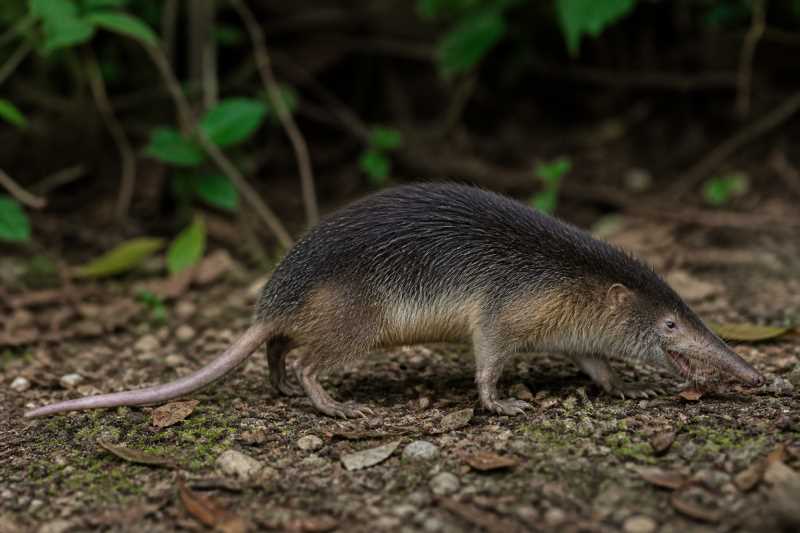
The Giant Solenodon is distinguished by several unique physical features that set it apart from other mammals. Typically, it measured around 50 to 60 centimeters in length, including its long tail, and weighed approximately 1 to 2 kilograms. Its body was covered with coarse, dark fur that provided camouflage within its forest habitat. One of the most notable features of the Giant Solenodon was its elongated snout, which housed a specialized jaw and teeth structure, including venomous grooves in the lower incisors used to incapacitate prey.
The solenodon’s limbs were short and robust, with clawed feet adapted for digging and foraging. Its eyes were small, indicating that its reliance on sight was limited. Instead, it depended on highly developed senses of smell and hearing, which aided in locating food and detecting predators. This combination of characteristics highlights the Giant Solenodon’s evolutionary adaptations for survival in its environment.
Range and Habitat
Historically, the Giant Solenodon was native to Cuba, inhabiting the island’s dense forests and shrublands. These environments provided ample cover and a rich supply of food resources. The solenodons were likely well-adapted to the Caribbean climate, thriving in areas where they could use their burrowing capabilities to create nests and escape predators.
The loss of habitat due to human activities has been a significant factor in the solenodon’s decline. Deforestation for agriculture and urban development drastically reduced their living spaces, forcing them into smaller, isolated populations. Additionally, the introduction of non-native species such as dogs and cats further threatened their existence by increasing predation pressures.
Behavior and Diet
The Giant Solenodon was primarily nocturnal, emerging at night to hunt and forage. Its diet was diverse, consisting mainly of insects, small vertebrates, and plant matter. The solenodon’s specialized teeth played a crucial role in its feeding habits, allowing it to inject venom into prey, thereby subduing them before consumption.
Solitary by nature, these mammals spent much of their time within burrows or dense vegetation. Their burrowing behavior not only provided protection from predators but also facilitated access to underground food sources. Communication among solenodons was likely minimal, relying on scent markings and vocalizations to establish territory or attract mates.
Identification Tips (Field Recognition Cues)
Identifying the Giant Solenodon required careful observation of several key traits:
- Snout: An elongated, flexible snout distinguishes this species from other small mammals.
- Fur: Coarse, dark fur provides effective camouflage within forested environments.
- Size: Larger than many related species, the Giant Solenodon’s size is a notable feature.
- Teeth: Look for characteristic grooved incisors used for venom delivery.
- Tracks: Solenodon tracks may show claw marks due to their digging habits.
Conservation Status (With Threats and Protections)
The Giant Solenodon is classified as extinct. Its disappearance is attributed to a combination of factors, including habitat destruction, predation by introduced species, and climate changes. While no current populations are known to exist, the species serves as a critical reminder of the fragility of island ecosystems.
Efforts to protect solenodon relatives, like the Hispaniolan Solenodon, highlight the importance of habitat conservation and invasive species management. These conservation strategies aim to prevent further biodiversity loss and maintain ecological balance.
Frequently Asked Questions
1. What made the Giant Solenodon unique among mammals?
The Giant Solenodon possessed several distinctive features, including a venomous bite, an elongated snout, and nocturnal habits. These adaptations allowed it to thrive in its specific ecological niche.
2. Why did the Giant Solenodon become extinct?
The extinction of the Giant Solenodon is primarily due to habitat loss, introduced predators, and environmental changes. Human activities significantly altered its natural habitat, leading to its decline.
3. Are there any living relatives of the Giant Solenodon?
Yes, the Hispaniolan Solenodon (Solenodon paradoxus) is a living relative of the Giant Solenodon. It shares some morphological traits and faces similar conservation challenges.
4. Can the Giant Solenodon be reintroduced through conservation efforts?
Reintroduction is unlikely due to the lack of surviving individuals and viable habitats. Conservation efforts focus on protecting existing solenodon species and their environments.
5. How did the Giant Solenodon contribute to its ecosystem?
As an insectivore, the Giant Solenodon played a vital role in controlling insect populations, thus maintaining ecological balance within its habitat.
Related posts