Haitian Nesophontes (Nesophontes zamicrus): A Glimpse into the Past
Introduction
The Haitian Nesophontes, scientifically known as Nesophontes zamicrus, represents a fascinating chapter in the history of mammalian life in the Caribbean. This small insectivorous mammal, now extinct, was once a native inhabitant of the island of Hispaniola, which is shared by Haiti and the Dominican Republic. Despite its extinction, the Haitian Nesophontes continues to intrigue scientists and naturalists alike, offering insights into the biodiversity of the past and the ecological dynamics of island ecosystems.
Physical Description
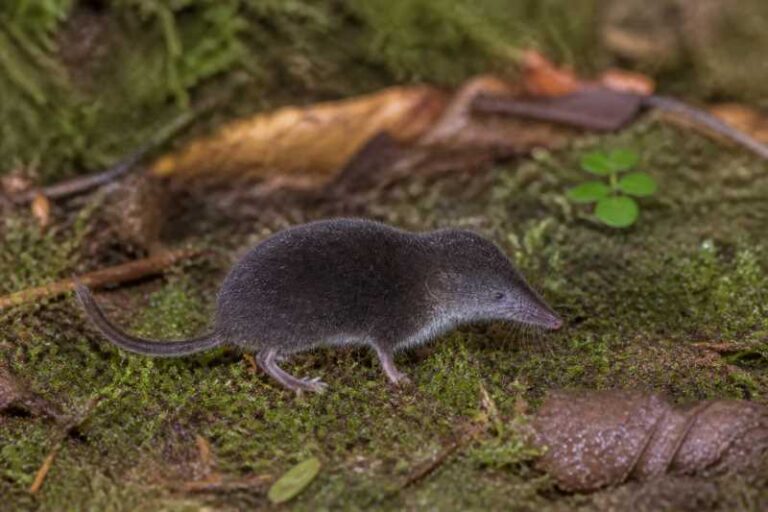
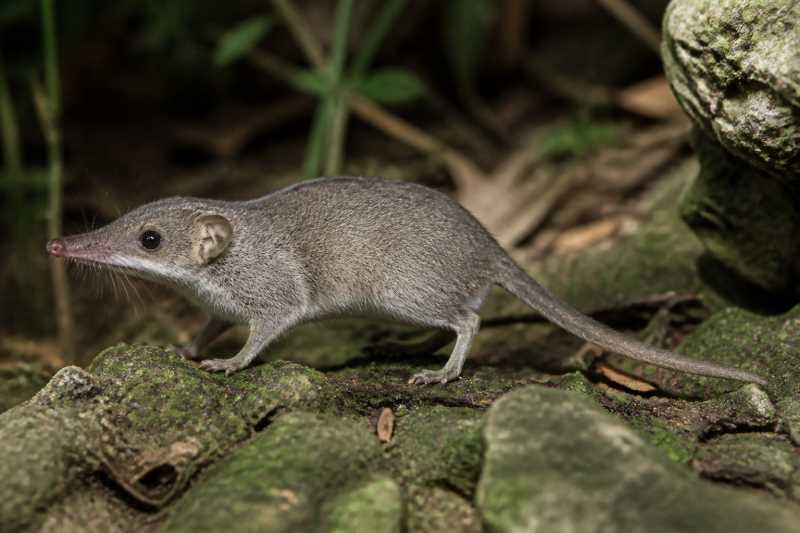
Nesophontes zamicrus was a small, shrew-like mammal characterized by its elongated body and pointed snout. Fossil evidence suggests that it had a slender build, with a length estimated to be around 10 to 15 centimeters, excluding its tail. The tail itself was likely long and thin, possibly aiding in balance and locomotion. The animal’s limbs were adapted for a terrestrial lifestyle, with strong claws that may have been used for digging or foraging in the underbrush.
The fur of Nesophontes zamicrus is believed to have been soft and dense, providing insulation in the sometimes cool, mountainous regions of Hispaniola. While the exact coloration is unknown due to the lack of living specimens, it is hypothesized that the fur could have been a muted brown or gray, allowing it to blend into its surroundings and avoid predators.
Range and Habitat
The Haitian Nesophontes was endemic to the island of Hispaniola, with its range likely extending across various types of habitats found on the island. Fossil records indicate that it inhabited both lowland and montane regions, thriving in forested areas where it could find ample cover and food resources.
The habitat of Nesophontes zamicrus would have included dense tropical rainforests, as well as more arid, scrub-like environments. These ecosystems provided a rich diversity of insects, which were a primary component of its diet. The availability of leaf litter and loose soil also offered opportunities for burrowing and nesting.
Behavior and Diet
Though direct observations of Nesophontes zamicrus are impossible, comparative studies with similar insectivorous mammals suggest that it was likely a solitary and nocturnal creature. Its behavior would have been largely focused on foraging for food during the night, using its keen sense of smell and hearing to locate prey.
The diet of the Haitian Nesophontes primarily consisted of insects, such as beetles, ants, and termites. It may also have consumed small invertebrates and possibly some plant matter, depending on availability. The animal’s pointed snout and sharp teeth were well-suited for capturing and consuming its prey.
Identification Tips
Identifying Nesophontes zamicrus in the wild is no longer possible due to its extinction. However, for those studying fossil records or working in paleontological fields, there are certain characteristics to look for:
- Size and Shape: Look for small, elongated skeletal remains with a pointed snout.
- Dental Features: Fossilized teeth show distinct adaptations for an insectivorous diet, such as sharp, pointed cusps.
- Bone Structure: The limb bones are indicative of terrestrial locomotion, with strong claws likely used for digging.
Conservation Status
Nesophontes zamicrus is classified as extinct. The extinction of this species is believed to have occurred during the early Holocene, likely as a result of environmental changes and human activities.
Threats
Several factors contributed to the extinction of the Haitian Nesophontes:
- Habitat Destruction: The arrival of humans on Hispaniola led to significant habitat loss due to deforestation and the development of agriculture.
- Introduction of Predators: The introduction of non-native species such as rats and cats may have had a devastating impact on Nesophontes zamicrus populations.
- Climate Change: Natural climatic fluctuations during the Holocene could have altered the habitat in ways that were unfavorable for the species’ survival.
Protections
As an extinct species, the Haitian Nesophontes cannot benefit from current conservation efforts. However, its story serves as a cautionary tale for modern conservation initiatives, highlighting the importance of protecting endemic species and preserving biodiversity.
Frequently Asked Questions
What did the Haitian Nesophontes eat?
The Haitian Nesophontes primarily fed on insects, including beetles, ants, and termites. Its diet may have also included other small invertebrates and occasional plant matter.
Why did the Haitian Nesophontes go extinct?
The extinction of Nesophontes zamicrus is attributed to habitat destruction, the introduction of non-native predators, and climatic changes during the Holocene.
Where was the Haitian Nesophontes found?
Nesophontes zamicrus was endemic to the island of Hispaniola, inhabiting a range of environments from tropical rainforests to arid scrublands.
How was the Haitian Nesophontes different from other shrews?
While it shared similarities with modern shrews in terms of diet and morphology, Nesophontes zamicrus was unique to the Caribbean and exhibited distinct adaptations to its island habitat.
Related posts