Introduction
The Talamancan Broad-clawed Shrew (Cryptotis gracilis) is a fascinating yet elusive mammal species found in the dense forests of Central America. This species is part of the Soricidae family, which is known for its small size and insectivorous diet. The Talamancan Broad-clawed Shrew is a critical part of its ecosystem, contributing to insect population control and serving as prey for larger predators. Despite its ecological importance, relatively little is known about this species due to its secluded habitat and nocturnal lifestyle.
Physical Description
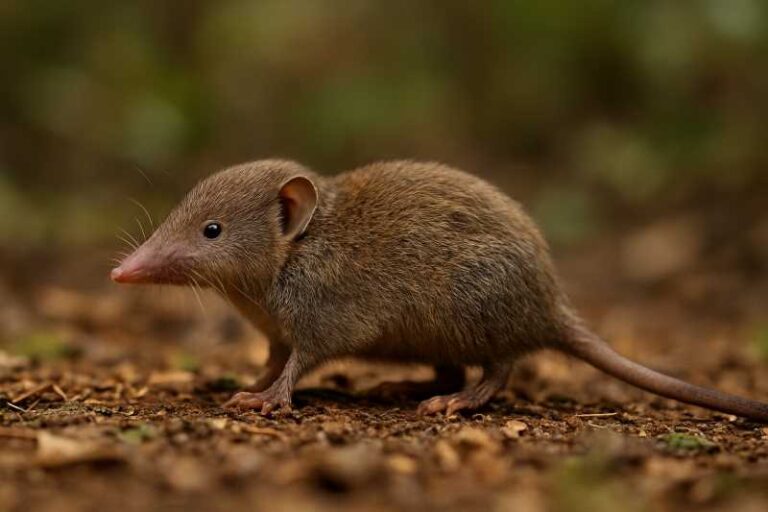
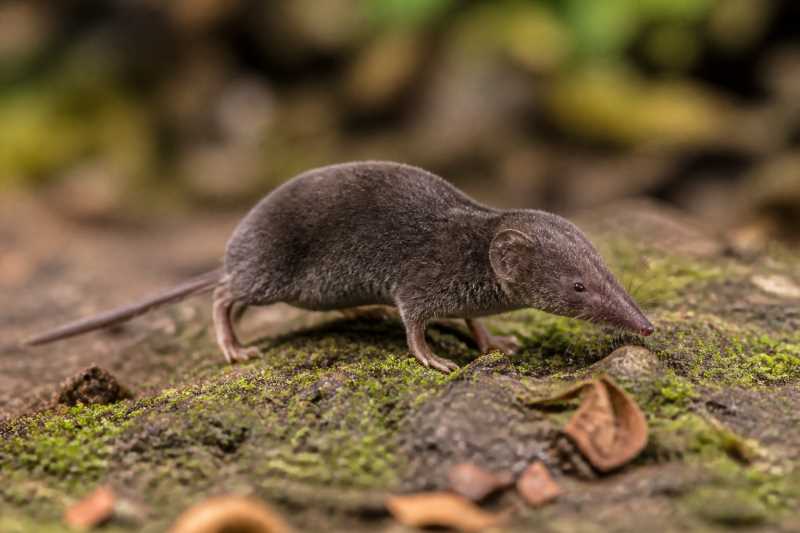
Cryptotis gracilis, commonly known as the Talamancan Broad-clawed Shrew, is characterized by its small size, with an average body length ranging from 60 to 80 millimeters. The tail is typically shorter, measuring about 30 to 40 millimeters. One of its most notable features is its broad claws, which are ideally adapted for digging and foraging. The shrew’s fur is usually a dark brown or grayish hue, providing effective camouflage against the forest floor. Its pointed snout and tiny eyes are other distinctive physical features, aiding in its survival as a primarily nocturnal creature.
Range and Habitat
The Talamancan Broad-clawed Shrew is endemic to the Talamanca Mountain range, which spans across Costa Rica and western Panama. This species thrives in the montane cloud forests, where the climate is humid and cool. These environments provide abundant leaf litter and loose soil, which are ideal for burrowing and hunting. The shrew is typically found at elevations between 1,200 and 3,500 meters, where it enjoys the cover of dense vegetation and the presence of numerous insect prey.
Behavior and Diet
As a nocturnal mammal, the Talamancan Broad-clawed Shrew is most active during the night. It spends much of its time foraging for food, which primarily consists of insects, worms, and other small invertebrates. The shrew uses its acute sense of smell and tactile whiskers to detect prey in the dark. It is known to be solitary, with each individual maintaining its own territory. The shrew uses vocalizations and scent markings to communicate and ward off intruders. Despite its small size, it has a voracious appetite and needs to consume large amounts of food relative to its body weight to sustain its high metabolic rate.
Identification Tips (Field Recognition Cues)
Identifying the Talamancan Broad-clawed Shrew in the wild can be challenging due to its secretive nature. However, there are several cues that can aid in its identification:
- Size and Shape: Look for a small, compact mammal with a relatively short tail and broad claws.
- Coloration: The shrew’s dark brown or grayish fur blends with the forest floor.
- Behavior: Notice any small mammals that are active at night and exhibit solitary behaviors.
- Habitat: Focus on montane cloud forests within the Talamanca range, particularly areas with abundant leaf litter.
Conservation Status (With Threats and Protections)
The Talamancan Broad-clawed Shrew is currently classified as Least Concern by the IUCN Red List. However, its population is suspected to be declining due to habitat loss and fragmentation. Deforestation for agriculture and urban development poses significant threats to its natural habitat. Moreover, climate change could alter the delicate balance of its montane ecosystem, further endangering the species. Conservation efforts are essential to ensure the survival of Cryptotis gracilis.
Protection of its habitat through the establishment of nature reserves and sustainable land-use practices are crucial steps toward its conservation. Continued research and monitoring are needed to better understand its ecology and to develop effective conservation strategies.
Frequently Asked Questions
Why is this species unique?
The Talamancan Broad-clawed Shrew is unique due to its specialized adaptations for a montane cloud forest environment. Its broad claws and acute senses allow it to thrive in its niche, making it an integral part of its ecosystem.
How does the Talamancan Broad-clawed Shrew contribute to its ecosystem?
This species plays a crucial role in controlling insect populations, thus maintaining ecological balance. It also serves as prey for larger predators, contributing to the food web in its habitat.
What are the main threats to the Talamancan Broad-clawed Shrew?
The primary threats include habitat loss due to deforestation and climate change. These factors contribute to habitat fragmentation and degradation, which can lead to population decline.
What conservation efforts are in place for this species?
Conservation efforts focus on habitat protection through the creation of reserves and sustainable land use. Research and monitoring programs are also essential to inform and improve conservation strategies.
Can the Talamancan Broad-clawed Shrew be found in other regions?
Currently, this species is endemic to the Talamanca Mountain range in Costa Rica and Panama, and it is not found naturally in other regions.
Related posts