Introduction
The Gibber Kultarr, scientifically known as Antechinomys spenceri, is a fascinating small marsupial endemic to Australia. This elusive creature is part of the Dasyuridae family, a group of carnivorous marsupials that includes quolls and the Tasmanian devil. Known for its nocturnal habits and unique adaptations to arid environments, the Gibber Kultarr is a subject of interest for researchers and wildlife enthusiasts alike. In this comprehensive article, we will delve into various aspects of the Gibber Kultarr, including its physical description, habitat, behavior, and conservation status.
Physical Description
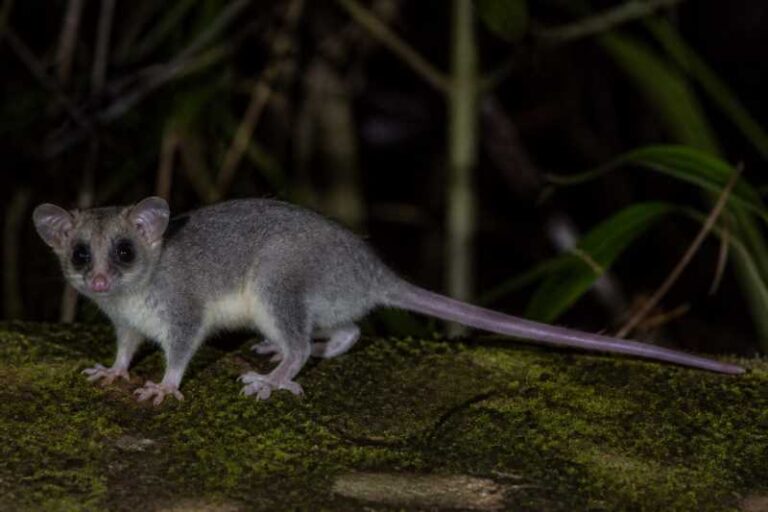
The Gibber Kultarr is a diminutive mammal, weighing between 20 to 35 grams, with a body length ranging from 10 to 12 centimeters. Its tail, however, is notably longer, measuring up to 14 centimeters, and is used for balance and agility. One of the most striking features of the Gibber Kultarr is its long hind legs, reminiscent of a kangaroo, which enable it to leap significant distances in search of food or to evade predators.
The fur of the Gibber Kultarr is primarily sandy brown, providing excellent camouflage against the arid environments it inhabits. The underbelly is lighter, often white or cream in color. Its large, rounded ears and prominent dark eyes suggest acute hearing and sight, adaptations that are crucial for its nocturnal lifestyle.
Range and Habitat
The Gibber Kultarr is found predominantly in the arid interior regions of Australia, particularly in Queensland, South Australia, and the Northern Territory. It favors gibber plains, which are rocky desert habitats characterized by sparse vegetation and loose stones. These environments provide both the cover and the open spaces necessary for the Gibber Kultarr’s survival strategies.
The climate in these regions is harsh, with extreme temperatures and minimal rainfall. The Gibber Kultarr has adapted to these conditions by being primarily nocturnal, thus avoiding the intense heat of the day. During the night, it emerges to hunt and forage, taking advantage of cooler temperatures.
Behavior and Diet
The Gibber Kultarr is primarily nocturnal and solitary. It spends the day hidden in burrows, rock crevices, or under vegetation to escape the scorching sun and predators. At night, it becomes active, using its extraordinary jumping ability to move quickly and efficiently across its territory.
Its diet is primarily insectivorous, consisting of ants, beetles, and other small invertebrates. However, it is known to exhibit opportunistic feeding habits, occasionally consuming small vertebrates and plant material. The Gibber Kultarr’s keen senses of hearing and sight are instrumental in locating prey in the dim light of dusk and dawn.
Identification Tips (Field Recognition Cues)
Identifying the Gibber Kultarr in the wild can be challenging due to its elusive nature and nocturnal habits. However, there are several key features and behaviors to look for:
- Habitat: Look for them in gibber plains, especially in areas with sparse vegetation and loose stones.
- Physical Features: Note the long hind legs, which are distinctive and enable a hopping gait similar to a kangaroo.
- Activity Patterns: They are most active during the night, so spotlight surveys at dusk or dawn are effective.
- Footprints and Droppings: Their footprints are small and can be observed in sandy areas, while their droppings are typically found near feeding sites.
Conservation Status (with Threats and Protections)
The conservation status of the Gibber Kultarr is currently listed as Least Concern by the IUCN Red List. However, there are ongoing threats that could impact their populations in the future, including habitat degradation, climate change, and predation by introduced species such as cats and foxes.
Conservation efforts focus on habitat protection and restoration, controlling invasive species, and conducting research to better understand the species’ ecology and needs. Protected areas and national parks in Australia play a crucial role in preserving the natural habitats of the Gibber Kultarr.
Frequently Asked Questions
- What adaptations help the Gibber Kultarr survive in arid environments?
The Gibber Kultarr has several adaptations for survival in arid environments, including nocturnal behavior to avoid daytime heat, a diet of moisture-rich insects, and camouflaged fur to blend into the desert landscape.
- How does the Gibber Kultarr’s diet influence its habitat choice?
The Gibber Kultarr’s insectivorous diet requires habitats rich in invertebrates, such as gibber plains, where ants, beetles, and other prey are abundant.
- What are the main threats to the Gibber Kultarr?
The main threats to the Gibber Kultarr include habitat destruction, climate change, and predation by invasive species like cats and foxes.
- When is the best time to observe the Gibber Kultarr in its natural habitat?
The best time to observe the Gibber Kultarr is during dusk and dawn when they are most active. Using spotlights during these times can increase the chances of sightings.
- What conservation measures are in place to protect the Gibber Kultarr?
Conservation measures include habitat protection, invasive species control, and research initiatives to understand the species better and ensure its sustainability.
Related posts